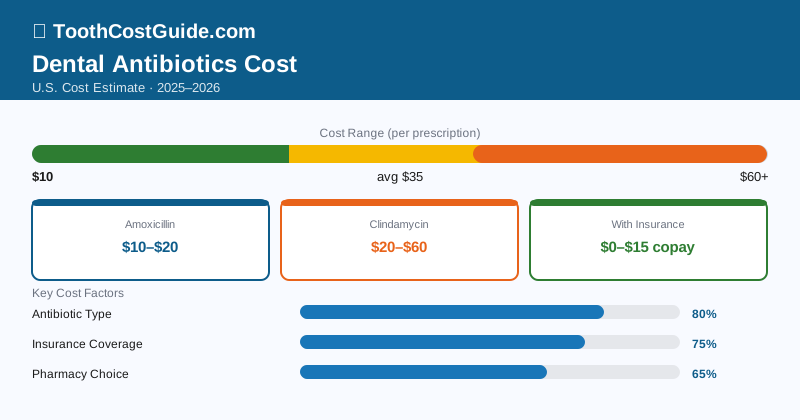
Dental antibiotics cost $4–$60 depending on the type, quantity, and where you fill the prescription. Amoxicillin — the most common antibiotic for dental infections — costs $4–$15 with a GoodRx coupon at most major pharmacies. Clindamycin (for penicillin-allergic patients) costs $15–$40 with GoodRx. These are among the least expensive aspects of dental emergency care — but they are a temporary measure, not a cure.
| Antibiotic | Typical Dose | Duration | Cost Without GoodRx | Cost With GoodRx |
|---|---|---|---|---|
| Amoxicillin 500 mg | 3x/day | 7–10 days | $15–$40 | $4–$12 |
| Amoxicillin-clavulanate (Augmentin) | 2x/day | 7–10 days | $35–$80 | $20–$40 |
| Clindamycin 300 mg | 3x/day | 7 days | $40–$80 | $15–$35 |
| Metronidazole 500 mg | 3x/day | 7 days | $20–$50 | $8–$20 |
| Penicillin VK 500 mg | 4x/day | 7–10 days | $15–$35 | $4–$12 |
| Azithromycin (Z-pack) | 1x/day | 5 days | $30–$60 | $15–$30 |
What Affects the Cost
Type of antibiotic prescribed. Amoxicillin and penicillin VK are the first-line drugs for most dental infections (in patients without penicillin allergy) and are among the least expensive antibiotics available. Augmentin (amoxicillin-clavulanate) is used for more resistant infections or severe abscesses — it’s more expensive. Clindamycin and metronidazole are used for penicillin-allergic patients or mixed anaerobic infections.
Whether you have pharmacy insurance. Most medical insurance plans include prescription drug benefits that cover common generic antibiotics at $0–$15 copay. Without pharmacy insurance, prices vary widely — GoodRx almost always offers a better price than the pharmacy’s cash rate.
Pharmacy choice. GoodRx prices vary by pharmacy. Walmart and Costco pharmacy often have the lowest prices on common generics. Some pharmacies participate in $4 generic programs. Always compare GoodRx prices at multiple pharmacies before filling.
Dosage and quantity. A 7-day course of amoxicillin requires 21 capsules (500 mg three times daily); a 10-day course needs 30. Cost scales with quantity. Some prescriptions are written for a longer course when a follow-up is not immediately available.
Which Antibiotics Are Used for Dental Infections
Amoxicillin 500 mg (first-line): The ADA’s recommended first-line antibiotic for most dental infections. Effective against the mix of aerobic and anaerobic bacteria that cause dental abscesses. Well-tolerated; main concern is allergy (estimated 5–10% of patients report penicillin allergy, though true allergy is less common). Take with food to reduce stomach upset.
Penicillin VK 500 mg (first-line alternative): Equally effective for dental infections but requires more frequent dosing (four times daily vs. three for amoxicillin). Some dentists prefer amoxicillin for better patient compliance with three-times-daily dosing.
Amoxicillin-clavulanate (Augmentin): When first-line amoxicillin fails or for more severe infections with suspected resistant organisms. More expensive and more likely to cause GI side effects (nausea, diarrhea) than plain amoxicillin.
Clindamycin 300 mg (penicillin allergy): The most commonly prescribed alternative for penicillin-allergic patients. Effective against most dental pathogens. Watch for Clostridium difficile (C. diff) colitis with prolonged use — seek medical attention for severe diarrhea during or after treatment.
Metronidazole 500 mg: Particularly effective against anaerobic bacteria common in dental abscesses. Sometimes used in combination with amoxicillin for severe infections. Cannot be taken with alcohol.
Azithromycin (Z-pack): Sometimes used but not the preferred choice by most dental guidelines — resistance rates are higher than for amoxicillin.
What Antibiotics Can and Cannot Do
What antibiotics DO:
- Reduce the bacterial load in an active dental infection
- Help control a spreading infection temporarily
- Reduce fever and systemic symptoms
- Buy time until definitive dental treatment
What antibiotics DO NOT do:
- Cure a dental abscess — the infected source (dead pulp, infected pocket) must be removed
- Replace root canal therapy or tooth extraction
- Prevent abscess recurrence if the source isn’t treated
- Work if taken incompletely (always finish the full course)
Antibiotics are a bridge treatment for dental infections — they reduce spreading infection while you arrange definitive care. They will not permanently resolve an abscess. A tooth infection that “gets better” with antibiotics will almost certainly return when antibiotics stop. The root canal or extraction cannot be avoided.
With vs. Without Insurance
With pharmacy insurance: Most basic generic antibiotics are covered at $0–$15 copay under Tier 1 or Tier 2 generic benefits. Augmentin (amoxicillin-clavulanate) may require prior authorization on some plans.
Without pharmacy insurance: Use GoodRx (free at goodrx.com or app). Compare prices at multiple pharmacies before filling. Costco pharmacy and Sam’s Club pharmacy consistently have low cash prices for generics.
Where to get the prescription: Your dentist, urgent care provider, or (in some states) via telemedicine. Not all telemedicine providers can prescribe dental antibiotics; check state regulations. Roughly 47 states allow prescribing via telehealth.
What To Do
- Fill the prescription immediately and start the first dose. Don’t delay because of cost — use GoodRx.
- Take exactly as prescribed — all doses, at the right intervals, for the complete duration. Skipping doses or stopping early leads to recurrence with potentially more resistant bacteria.
- Eat with meals to reduce stomach upset with amoxicillin and clindamycin.
- Avoid alcohol if prescribed metronidazole — can cause severe nausea, vomiting, and flushing.
- Schedule dental treatment. The antibiotics are managing your infection — the underlying cause must be addressed within days to weeks.
- Watch for allergic reactions: rash, hives, swelling, or difficulty breathing after taking any antibiotic require immediate medical attention.
How to Save Money
Use GoodRx. Free to use — just go to goodrx.com, search your drug, compare prices at nearby pharmacies, and show the coupon at the pharmacy. Amoxicillin with GoodRx: $4 at most Walmart pharmacies.
Ask for the generic. All of these antibiotics are available in generic form. Confirm with the pharmacy that you’re receiving the generic (not a brand name) to ensure the lowest price.
Walmart, Costco, and Sam’s Club pharmacies consistently have the lowest cash prices for generic antibiotics — often matching or beating GoodRx prices on common drugs.
Free antibiotic programs: Publix Pharmacy offers free 14-day supplies of amoxicillin and other generics. Some other regional chains have similar programs. Call ahead to confirm availability.
Dental antibiotics treat the symptoms of an infection, not the source. A dental abscess treated only with antibiotics will almost always return after antibiotics stop. If you experience severe allergic reaction symptoms — difficulty breathing, hives, swelling of the face/throat — stop the antibiotic and call 911 or go to an emergency room immediately.
Bottom Line
Dental antibiotics cost $4–$60 — the least expensive component of dental emergency care. GoodRx reduces amoxicillin to $4–$12 at most major pharmacies. Despite low cost, antibiotics are only a temporary measure. Definitive treatment — root canal or extraction — is always required to permanently resolve a dental infection. Never rely on antibiotics alone as the complete treatment for a dental abscess.