You’re missing one or a few teeth and need something while you figure out the long-term plan — or maybe you’re looking for a permanent solution that doesn’t cost $4,000 per implant. A dental flipper and a removable partial denture both fill gaps with replacement teeth. They’re not the same product, not the same price, and not the same commitment.
Here’s a direct comparison to help you decide which makes financial and clinical sense for your situation.
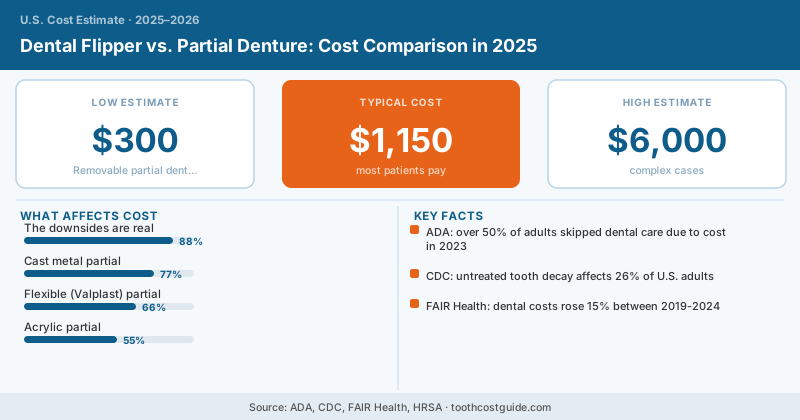
Cost Comparison at a Glance
| Option | Typical Cost (No Insurance) | Lifespan |
|---|---|---|
| Dental flipper (1–2 teeth) | $300–$600 | 6–24 months |
| Dental flipper (3+ teeth) | $500–$800 | 6–24 months |
| Removable partial denture (cast metal) | $1,200–$2,500 | 5–15 years |
| Removable partial denture (acrylic) | $800–$1,500 | 3–8 years |
| Flexible partial denture (Valplast) | $1,000–$2,000 | 5–10 years |
| Fixed partial denture (bridge, for reference) | $2,500–$6,000 | 10–20 years |
The cost gap between a flipper and a partial denture is real — but so is the difference in durability, stability, and what you can eat while wearing each.
What Is a Dental Flipper?
A flipper is a removable temporary tooth (or small group of teeth) made of acrylic with a wire or acrylic clasp. It clips onto adjacent teeth to hold in place. Most people use them:
- As a temporary placeholder while waiting for an implant to heal (typically 3–6 months)
- After a tooth extraction, to avoid walking around with a visible gap
- As a budget stopgap while saving for a more permanent solution
Flippers are made quickly — often in a single dental visit or within a few days — which makes them useful for immediate tooth loss. The cost stays low ($300–$600) because the materials are inexpensive and the lab work is minimal.
The downsides are real. A flipper is fragile — don’t bite into an apple with it in. It’s not designed for full chewing function. Many people remove them to eat. And because it’s acrylic sitting against the gum, it can irritate tissue over time.
What Is a Removable Partial Denture?
A partial denture is a longer-term prosthetic for replacing one or several missing teeth when some natural teeth remain. The most durable version — a cast metal framework partial — uses precision metal clasps that grip existing teeth and a more stable base.
Partials are designed for daily function. You can eat with them in (though hard, crunchy foods are still ill-advised). They’re made via impressions and a dental lab, usually requiring 2–4 appointments over 3–4 weeks.
The two most common versions:
Cast metal partial ($1,200–$2,500): Metal framework with acrylic tooth replacements. Most durable. Can last 5–15 years with proper care. Clasps are visible on the metal framework.
Flexible (Valplast) partial ($1,000–$2,000): Made of a thermoplastic nylon material that flexes and is considered more aesthetically natural — the clasps blend into gum tissue. Less rigid, which some patients prefer; may not last as long as metal.
Acrylic partial ($800–$1,500): All-acrylic, less expensive, but bulkier and less durable than cast metal.
Choose a flipper if: You’re waiting on implants, the gap is temporary, or you need something within days. Budget: under $600.
Choose a partial if: The gap is your long-term solution, you want to eat normally, and you need the appliance to last 5+ years. Budget: $1,000–$2,500.
Choose neither if: You’re a candidate for an implant and have the budget — a fixed permanent tooth typically delivers better long-term outcomes than any removable option.
Does Insurance Cover These?
Both flippers and partial dentures fall under the “major services” category in most dental insurance plans — covered at 50% after deductible and annual maximums.
A few important caveats:
Missing tooth clause: Some insurance plans exclude teeth that were missing before you enrolled. If you’ve been living without that tooth for a year and just joined a new plan, they may not cover the replacement.
Frequency limitations: Insurance typically allows one partial denture per arch every 5–7 years. A replacement within that window is usually not covered.
Annual maximum problem: Most dental plans cap benefits at $1,000–$2,000 per year. A $2,000 partial denture hits that ceiling, leaving you with $0 remaining for anything else that year. Timing matters.
According to the ADA Health Policy Institute’s 2022 survey, tooth replacement was the most commonly recommended procedure that patients declined due to cost — with 38% citing out-of-pocket expenses as the reason.
Adjustments and Repairs: Ongoing Costs
Neither a flipper nor a partial denture is a set-it-and-forget-it purchase. Budget for:
- Adjustments: $25–$75 per visit (as your gum tissue changes shape after extractions)
- Reline (refitting a partial as bone and tissue resorb): $200–$500
- Repair (if a clasp breaks or acrylic cracks): $75–$300
- Replacement (flippers typically need replacement every 1–2 years; partials every 5–15): same as original cost
A well-made cast metal partial that’s properly adjusted and relined can last a decade or more. A flipper should be thought of as a 12–18 month solution, maximum.
The Case for Planning Ahead
If you’ve just had a tooth extracted, you don’t need to decide on a permanent solution immediately. Most dentists recommend:
- Heal for 2–4 months post-extraction
- Use a flipper in the interim if aesthetics matter (visible tooth, front of mouth)
- Evaluate implant vs. bridge vs. partial once the site has healed and you have time to plan financially
The mistake most people make is treating a $500 flipper as a permanent solution — wearing it for 4 years while the underlying bone continues to resorb — and then needing more expensive preparatory work before implants or partials can be fitted.
Prolonged use of a flipper without moving to a permanent solution leads to ongoing bone loss in the extraction site. If an implant is your eventual goal, placing it within 12–18 months of extraction (or doing socket preservation at extraction) is significantly better than waiting 3–5 years with a flipper.
Bottom Line
A flipper ($300–$600) is the right short-term bridge — literally and figuratively — while you plan your permanent tooth replacement. A removable partial denture ($800–$2,500) is a legitimate long-term option for patients who aren’t implant candidates or don’t have the budget for implants.
Neither is better in isolation. The right choice depends on how many teeth you’re replacing, how long you need the solution to last, and what your insurance and budget allow.