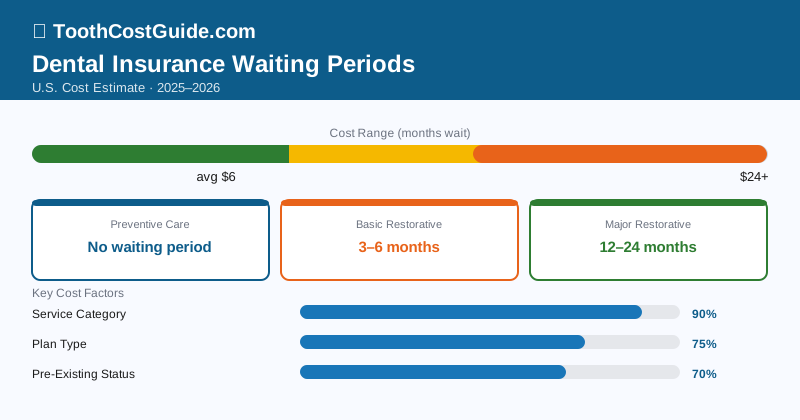
Most dental insurance plans require you to wait 6 to 12 months before they’ll cover major procedures like crowns, bridges, and root canals — and up to 24 months for orthodontic work. If you sign up for insurance the week before needing a crown, you could face the full $1,000–$1,800 cost out of pocket. Understanding waiting periods before you buy a plan is one of the most important steps in choosing dental coverage.
| Procedure Category | Typical Waiting Period | Example Procedures |
|---|---|---|
| Preventive care | None (most plans) | Cleanings, X-rays, exams |
| Basic restorative | 3–6 months | Fillings, simple extractions |
| Major restorative | 6–12 months | Crowns, bridges, dentures |
| Oral surgery | 6–12 months | Implants, complex extractions |
| Orthodontics | 12–24 months | Braces, Invisalign |
| No-waiting-period plans | 0 months | All categories (higher premium) |
How Waiting Periods Work
A waiting period is a span of time after your policy’s effective date during which the insurance company won’t pay for certain types of dental work. You are still covered for preventive services — cleanings, routine exams, and X-rays — from day one in nearly every plan.
Insurers impose waiting periods for the same reason health insurance limits coverage of pre-existing conditions: to prevent people from buying insurance only when they already know they need expensive treatment, then dropping the policy. If everyone did that, the risk pool would collapse and premiums would skyrocket.
How they’re structured: Plans typically divide dental procedures into three tiers — preventive, basic, and major — with different waiting periods for each tier. Some plans also have a fourth tier for orthodontics. The waiting period clock starts on your policy’s effective date, not the date you first visit the dentist.
Waived waiting periods with prior coverage: Many insurers will waive waiting periods if you had continuous dental coverage elsewhere with no significant gap (usually no more than 30–63 days). You’ll need to provide a certificate of prior coverage from your previous insurer. This is especially important if you’re switching jobs or moving off an employer plan.
Always ask about waiting periods before enrolling. If you need a crown soon, look specifically for plans that waive waiting periods for new enrollees with prior coverage — or buy a no-waiting-period plan even if the premium is higher.
Costs & Coverage Details
Preventive services (Day 1 coverage): Virtually all dental insurance plans — HMO, PPO, and indemnity — cover preventive services from the first day. This includes two cleanings per year, annual X-rays, and two exams per year. Some plans also cover fluoride treatments and sealants for children with no waiting period.
Basic services (3–6 month wait): Fillings, simple tooth extractions, and periodontal maintenance typically fall in the basic category. After the waiting period, these are usually covered at 70–80% of the plan’s allowable amount.
Major services (6–12 month wait): Crowns, inlays, onlays, bridges, dentures, and complex oral surgery fall here. After the waiting period, coverage is typically 50% of the allowable amount. A $1,500 crown would net you $750 from insurance — but only after waiting up to a year.
Orthodontics (12–24 month wait): Braces and aligners have the longest waiting periods. Plans that include orthodontic benefits (not all do) often require 12–24 months before they’ll pay anything, and then may only cover children under 19. Lifetime maximums for ortho are typically $1,000–$2,000.
No-waiting-period plans: Some carriers — including Spirit Dental, Ameritas, and certain Cigna and Humana plans — offer policies with no waiting periods. These plans typically cost $10–$30 more per month than comparable plans with waits. If you need major work soon, the math often favors paying the higher premium.
Pros and Cons of Waiting-Period Plans
Pros of standard plans with waiting periods:
- Lower monthly premiums ($20–$50/month vs. $50–$80/month for no-wait plans)
- Still get preventive care from day one
- Good value if you plan ahead and don’t need immediate major work
Cons of waiting-period plans:
- Exposes you to large out-of-pocket costs if you need unexpected major work
- Waiting periods for orthodontics can be 2 years — meaning kids may age out of coverage
- Some people forget the waiting period and are surprised by denials
- Prior coverage waiver process can be bureaucratic and slow
Pros of no-waiting-period plans:
- Immediate coverage for all services
- Great for people who know they need upcoming crowns, bridges, or dentures
- Peace of mind if you’re switching coverage
Cons of no-waiting-period plans:
- Higher monthly premiums
- Annual maximums ($1,000–$2,000) may still limit how much help you get in year one
- Some plans cap how much they’ll pay in the first year even without a waiting period
Who Waiting Periods Affect Most
People with known upcoming dental needs are most at risk. If your dentist has told you that you’ll need a crown in the next six months, a plan with a 12-month waiting period is essentially useless for that procedure.
People switching jobs who had employer dental coverage need to be especially careful about coverage gaps. If your new employer’s plan starts three months after leaving your old job, you may inadvertently trigger waiting periods at the new plan. COBRA can bridge this gap.
Seniors newly shopping for individual coverage often discover their dental needs are immediate, making no-waiting-period plans especially important for this group. See our dental insurance for seniors guide for more detail.
Children needing orthodontics: If a child is 12 and a plan has a 24-month ortho waiting period, they may start treatment but still not be covered for the first two years. Always check ortho waiting periods before enrolling for this purpose.
How to Save Money on Waiting Period Situations
Get a certificate of prior coverage. If you’ve had continuous dental insurance, request this document from your old insurer the moment coverage ends. Present it when enrolling in a new plan — most plans will waive waiting periods for basic and major services.
Choose a no-waiting-period plan strategically. If you need a crown that costs $1,500, a plan with a $40/month higher premium costs you an extra $480 per year — still well worth it if you’d otherwise pay the full $1,500 cost.
Use in-network dentists. Even after waiting periods end, always use in-network providers. The insurer’s negotiated rate is typically 20–40% below standard fees, which matters when you’re only covered at 50% for major work.
Schedule preventive visits immediately. Since preventive care is covered from day one, use those visits to catch small issues before they become major ones that trigger waiting periods.
Ask your dentist about phasing treatment. Sometimes procedures can be timed so that major work begins after your waiting period ends. A dentist who knows your insurance situation can help with scheduling.
Consider dental schools for immediate needs. If you need a crown right now and face a waiting period, accredited dental schools provide the same procedures at 40–70% discounts. Quality is overseen by licensed faculty.
Waiting periods are one of the most important — and most overlooked — features of dental insurance. Always check waiting periods before enrolling, obtain prior coverage documentation if you’re switching plans, and consider no-waiting-period policies if you anticipate needing major dental work within the next 12 months.
Bottom Line
Dental insurance waiting periods range from zero (preventive care) to 24 months (orthodontics) depending on the plan and procedure category. The typical waiting period for major work like crowns and bridges is 6–12 months on standard plans. No-waiting-period plans exist and cost $10–$30 more per month — often a worthwhile trade-off if you know you have upcoming dental needs. Always present proof of prior continuous coverage when switching plans to potentially waive waiting periods entirely.