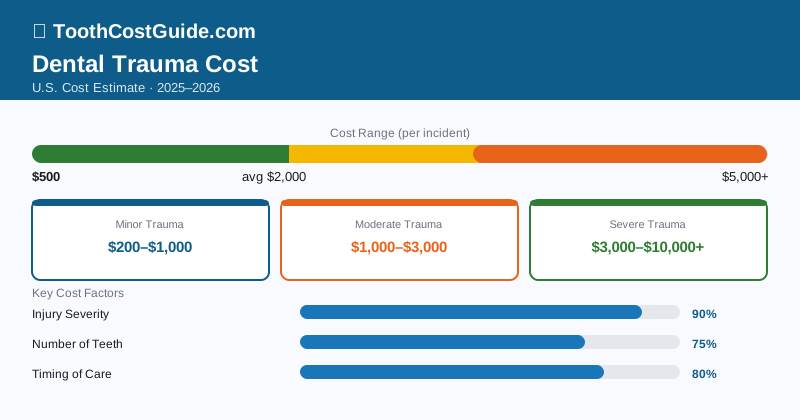
Dental trauma from accidents — falls, car crashes, sports injuries, or physical altercations — costs $500–$5,000 for most cases, and can reach $30,000+ for severe jaw fractures or multiple avulsed (knocked-out) teeth. The total depends on how many teeth are involved, whether the jawbone is fractured, and whether injuries require specialist surgical care. Most dental trauma occurs in children and young adults, but dental injuries at any age carry significant costs.
| Injury Type | Treatment | Cost (No Insurance) |
|---|---|---|
| Chipped/fractured enamel | Bonding or smoothing | $100–$600 |
| Fractured tooth into dentin | Bonding or crown | $300–$1,800 |
| Cracked tooth to pulp | Root canal + crown | $1,700–$3,300 |
| Knocked-out tooth (avulsion) | Re-implantation + root canal | $1,500–$3,500 |
| Luxated (displaced) tooth | Repositioning + splinting | $500–$1,500 |
| Intruded tooth (pushed in) | Monitoring or root canal | $500–$2,000 |
| Jaw fracture (mandible) | Surgery + hardware | $10,000–$30,000 |
| Soft tissue lacerations | Suturing | $300–$800 |
| Emergency exam + CT scan | Diagnosis | $300–$2,000 |
What Affects the Cost
Number and severity of injuries. A fall that chips one front tooth is very different from a car accident that fractures multiple teeth, lacerates the gums, and fractures the jaw. Complex multi-tooth trauma is handled by oral and maxillofacial surgeons in a hospital setting.
Type of dental injury. Dental trauma classifications include fractures (enamel, dentin, pulp), luxation injuries (teeth pushed to the side, partially out, or back into the socket), avulsion (complete tooth loss), and alveolar bone fractures. Each has a specific treatment protocol and cost range.
Child vs. adult teeth. Trauma to baby (primary) teeth requires different decisions than trauma to permanent teeth. Baby teeth are generally monitored rather than re-implanted to protect developing permanent teeth. Trauma assessment for children includes concern for the permanent tooth bud underneath.
Time to treatment. For avulsed teeth, time to re-implantation is critical (see our knocked-out tooth guide). For luxated teeth, reposition and splinting within hours improves outcomes. For fractures, covering exposed dentin or pulp quickly reduces the risk of infection.
Whether imaging is required. Most dental trauma requires X-rays to assess root fractures, bone involvement, and extent of injury. CT scans (often done at the ER for significant facial trauma) add $500–$2,000 to initial costs.
Treatment Options & Costs
Tooth smoothing/reshaping ($100–$200): For very minor enamel chips, the dentist gently smooths and polishes the edge without adding material. No anesthesia needed. Minimal cost. Appropriate for tiny chips that don’t cause sensitivity or cosmetic concern.
Dental bonding ($200–$600): Composite resin adds back the missing enamel or dentin. Completed in one appointment without anesthesia for enamel-only fractures. Best for front tooth chips in children and adults. Lasts 5–10 years.
Crown ($1,000–$1,800): For larger fractures that compromise tooth structure, crowns provide full coverage protection. Often the treatment of choice for adults with significant fractures.
Root canal + crown ($1,700–$3,300): When the fracture reaches the pulp chamber or the nerve is exposed, root canal therapy precedes crown placement. Without root canal, the exposed pulp will become infected.
Tooth repositioning and splinting ($500–$1,500): For luxated (displaced but still in socket) teeth, the dentist anesthetizes the area, gently repositions the tooth, and splints it to adjacent teeth with wire or composite for 2–4 weeks. Root canal may be needed afterward if the pulp is damaged.
Jaw fracture repair ($10,000–$30,000+): Mandibular and maxillary fractures require oral surgery. Treatment may involve open reduction and internal fixation (ORIF) with titanium plates and screws, or arch bars and intermaxillary fixation (wiring the jaws together). Hospital stays of 1–3 days are common. Complex panfacial fractures involving multiple facial bones can cost $30,000–$100,000 in total surgical and hospital charges.
With vs. Without Insurance
Dental insurance covers trauma-related dental procedures under the same framework as non-traumatic procedures:
- Bonding: 40–80% depending on whether coded as restorative or cosmetic
- Root canal: 40–60%
- Crown: 40–60%
- Tooth re-implantation: 50–75% under oral surgery
Medical insurance may cover ER visits, imaging, and jaw surgery when performed in a hospital setting. Coordination of benefits is essential — file both dental and medical claims.
Auto insurance (if injury occurred in a vehicle accident): Medical payments coverage or personal injury protection (PIP) on your auto policy may cover dental injuries from car accidents, regardless of fault. Limits typically range from $1,000–$10,000 per incident.
Homeowner’s/renter’s insurance liability coverage may apply if injury occurred due to another party’s negligence.
Victim assistance programs: If trauma resulted from assault or domestic violence, many states have victim compensation programs that cover medical and dental injury costs.
What To Do After Dental Trauma
- Control bleeding first — apply firm pressure with clean gauze for 15–20 minutes.
- Collect any knocked-out teeth or fragments and store in milk or saliva.
- Go to an emergency room for: suspected jaw fracture, loss of consciousness, significant bleeding that won’t stop, multiple facial injuries, neck pain, or severe swelling.
- Go to a dentist same day for: knocked-out or displaced permanent teeth, severe tooth pain, exposed nerve (extreme sensitivity to air or temperature).
- Document everything: photograph injuries, save all bills and receipts for potential insurance claims or legal purposes.
- File insurance claims promptly — auto insurance, homeowner’s, medical, and dental policies may all apply. Missing filing deadlines can forfeit coverage.
How to Save Money
Coordinate all applicable insurance policies. Dental trauma is one situation where multiple policies may contribute. Auto insurance, medical insurance, dental insurance, and possibly liability coverage should all be explored.
Seek legal counsel if another party is at fault. Personal injury attorneys work on contingency — no upfront cost — and can pursue claims for dental injury costs from at-fault parties.
Dental schools for non-emergency follow-up. After emergency stabilization at a private practice or hospital, dental schools provide follow-up crowns, implants, and root canals at significantly lower cost.
Mouthguards prevent future trauma. Custom-fitted dental mouthguards ($300–$500) worn during contact sports dramatically reduce dental trauma risk. Stock mouthguards ($15–$25) provide less protection but are far better than none.
Significant dental trauma often accompanies other injuries — concussion, cervical spine injury, or facial fractures. If there is any loss of consciousness, severe headache, neck pain, or neurological symptoms after facial trauma, go to an emergency room immediately. These take priority over dental evaluation.
Bottom Line
Dental trauma costs range from $100–$600 for minor chips to $30,000+ for jaw fractures requiring surgery. Multiple insurance policies may apply — coordinate benefits carefully. Dental schools and coordination of all applicable coverage sources are the most effective cost-reduction strategies. Act quickly for avulsed or displaced teeth; time directly impacts outcomes and long-term costs.