Three days after your tooth extraction, the pain should be fading. Instead it’s worse — a deep, aching throb that radiates toward your ear and eye. That’s dry socket. It’s not dangerous, but it’s miserable. And if your original extraction was covered by insurance, the follow-up treatment for dry socket should be covered too — though many patients don’t realize this and pay out of pocket unnecessarily.
Here’s what dry socket treatment costs, how the billing works, and what actually fixes it.
Dry Socket Treatment Cost Breakdown
| Service | Typical Cost (No Insurance) |
|---|---|
| Dry socket evaluation (office visit) | $50–$100 |
| Medicated dressing placement | $50–$100 per visit |
| Prescription pain medication (if needed) | $15–$45 |
| Prescription antibiotics (if infection develops) | $10–$30 |
| Irrigating kit (at-home rinse syringe) | $5–$15 |
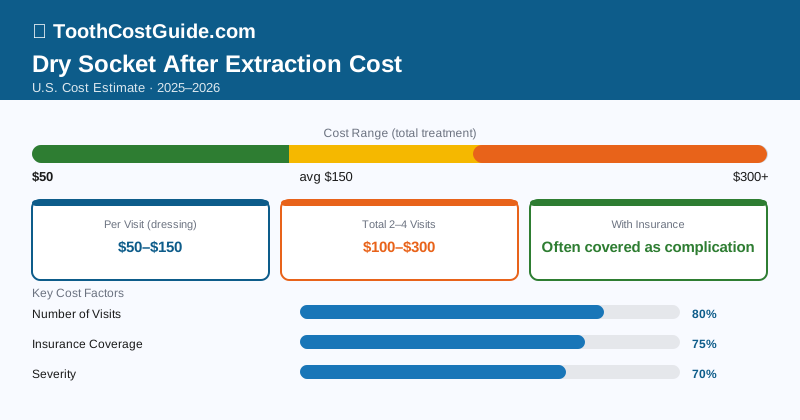
| Total (typical 2–3 visit course) | $100–$300 |
Most dry socket cases require 2–4 office visits, spaced 1–3 days apart. Each visit involves the dentist gently irrigating the socket to clear debris, then packing it with a medicated dressing — typically a gauze soaked in eugenol (clove oil)-based paste, or a proprietary product like Alvogyl. The dressing breaks down gradually and may need to be changed at each visit until the socket begins healing.
Will Insurance Cover Dry Socket Treatment?
Q: Does my insurance pay for this if I already paid for the extraction? A: In most cases, yes — but you need to understand how it’s billed.
Dry socket treatment is a post-operative complication of an extraction. Many dental insurance plans cover management of post-operative complications as part of the original extraction procedure, with no additional patient cost. The key is whether your dentist bills it correctly — typically under CDT code D9930 (treatment of complications, post-surgical).
The ADA recommends that when insurers define a “global period” for extractions, follow-up complication care within that period (usually 30 days) should be covered. In practice, coverage varies by plan. Call your insurer directly, give them the extraction CDT code and the proposed follow-up code, and ask whether post-operative complication management is included.
If your dentist billed the extraction and you’re now at a different office for the dry socket (say, an urgent care dentist over a weekend), coverage is less predictable — the new provider has to establish it as a new episode of care.
What Actually Causes Dry Socket
Dry socket occurs when the blood clot that forms in the extraction socket is disrupted or dissolves before the socket has healed. Without the clot, the underlying bone and nerve endings are exposed to air, food, and bacteria — which is why the pain is so distinctive and sharp.
Approximately 2–5% of all tooth extractions develop into dry socket. The rate is significantly higher for lower wisdom tooth extractions — research suggests 20–30% of lower third molar extractions result in some degree of dry socket, according to data from the Journal of Oral and Maxillofacial Surgery. Factors that increase your risk include smoking, using straws in the first 72 hours, oral contraceptive use, and prior infections at the extraction site.
You’re most likely to develop dry socket 2–4 days after extraction. If your pain peaks and then suddenly spikes again on day 3, that’s the tell.
Your dentist will likely give you an irrigation syringe to gently flush the socket at home after each dressing change. Use it faithfully — food trapped in an empty socket slows healing and extends the treatment course. Avoid smoking, straws, and carbonated drinks for the entire healing period, not just the first 24 hours. Dry socket that develops from a preventable cause often takes longer to resolve.
How Long Until It Heals?
With proper treatment, most dry socket cases resolve within 7–10 days of starting treatment. Without treatment, the pain typically lasts 5–6 weeks as the bone slowly re-epithelializes on its own. Treatment doesn’t speed biological healing exactly — it manages pain and protects the socket while healing progresses naturally.
The medicated dressing numbs the exposed nerve endings, which is why the relief after dressing placement is often immediate and dramatic. That relief lasting 12–24 hours per dressing is normal. As the healing advances, the dressing replacement intervals can lengthen.
What If It Gets Worse?
Dry socket itself doesn’t cause fever or significant swelling — those are signs of a secondary infection. If you develop:
- Fever above 101°F
- Swelling spreading to your jaw, neck, or cheek
- A foul taste or pus from the socket
- Numbness or tingling in your lips or chin
…see your dentist same-day or go to an emergency dental provider. These symptoms suggest a post-extraction infection rather than dry socket, which requires antibiotics and potentially different treatment. An infected extraction socket that spreads can become a dental emergency with serious complications.
Don’t try to treat dry socket at home with over-the-counter clove oil applied directly to the socket. Undiluted eugenol can damage healing tissue and delay recovery. OTC pain relievers (ibuprofen is typically most effective) and ice packs can help manage pain between visits, but the dressing placement by your dentist is what actually treats it. Call your dentist the same day you notice worsening post-extraction pain — earlier treatment means fewer visits.
Bottom Line
Dry socket treatment costs $50–$150 per visit and usually takes 2–4 visits — a total of $100–$300 out of pocket without insurance. With insurance, if billed correctly as a post-operative complication of the original extraction, most of the cost should be covered. Call your insurer to confirm before assuming you’re on the hook for the full amount. And if you’re in post-extraction pain on day 3 that’s getting worse instead of better, don’t wait — dry socket is very treatable when addressed promptly.