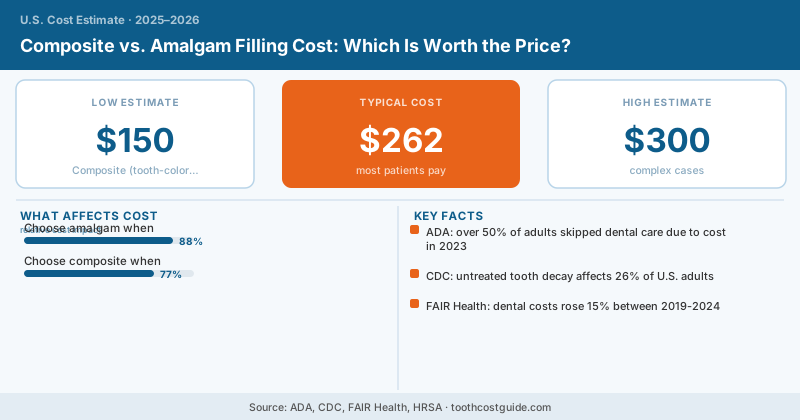
Amalgam has been the go-to filling material for over 150 years. Composite resin has been its tooth-colored rival for about 40. The price gap between them is real — but so is the longevity difference. Run the numbers over 15 years and the answer isn’t always the one you’d expect.
Side-by-Side Cost Comparison
Both materials are priced by surface — the number of tooth surfaces the filling covers. A one-surface filling on a small cavity costs less than a three-surface filling that wraps around a molar.
| Material | 1 Surface | 2 Surfaces | 3 Surfaces |
|---|---|---|---|
| Amalgam (silver) | $75–$120 | $115–$160 | $150–$200 |
| Composite (tooth-colored) | $150–$200 | $175–$250 | $225–$300 |
The premium for composite over amalgam runs roughly $75–$100 per filling at the single-surface level, widening slightly for larger restorations. Over a lifetime of dental care, that gap compounds — but only if the composite doesn’t last as long as the amalgam.
The Longevity Gap Is the Real Cost Driver
This is where the math gets interesting. A large 2021 Cochrane Review and ADA evidence summaries both point to the same conclusion:
- Amalgam lasts an average of 10–15 years, with well-placed fillings in low-stress areas lasting 20+ years.
- Composite lasts an average of 7–10 years, and is more susceptible to wear in high-stress posterior areas.
Do the math: if an amalgam filling costs $150 and lasts 15 years, that’s $10/year. If a composite costs $225 and lasts 9 years, that’s $25/year — before counting the replacement cost. And each replacement composite filling means additional tooth preparation, which removes more healthy tooth structure every cycle.
Take your composite quote, divide by 9 years (average lifespan), and compare that annual cost to your amalgam quote divided by 13 years. For a molar that takes a lot of bite force, amalgam often wins on cost-per-year. For a front tooth where aesthetics matter, composite is the obvious choice regardless of cost. The decision doesn’t have to be the same for every filling in your mouth.
Insurance Coverage Differences
Most PPO dental plans cover both materials — but with a catch. If you choose composite for a posterior tooth (premolars and molars), many plans will only pay the allowable amount for amalgam. You pay the difference.
This is called the “least expensive alternative treatment” rule. Your plan pays what amalgam would cost; you cover the rest. On a molar, that out-of-pocket difference can run $50–$100 per tooth.
Anterior teeth (front teeth) are almost always covered for composite without the downgrade penalty — because no one seriously argues for a silver front tooth.
As of 2025, the FDA has recommended that certain groups — pregnant women, children under 6, people with kidney problems, and those with known mercury sensitivity — avoid amalgam fillings when possible. The ADA still considers amalgam safe for most adults, but the FDA’s guidance has shifted the clinical conversation. If you fall into one of these groups, talk with your dentist before agreeing to amalgam.
When Each Material Makes Sense
Choose amalgam when:
- The cavity is large and in a high-stress molar
- You’re paying fully out of pocket and want the lowest long-term cost
- The area is difficult to keep dry during placement (composite bonds poorly in wet conditions)
Choose composite when:
- It’s a front tooth or any tooth visible when you smile
- The cavity is small to medium — composite bonds well and preserves more tooth structure in smaller cavities
- You have specific health concerns about mercury (even if the clinical risk is low, your comfort matters)
For a complete overview of filling options and pricing including ceramic and gold, visit our guide on dental filling cost.
Bottom Line
Amalgam fillings cost $75–$200 versus $150–$300 for composite, but the longevity difference — roughly 12 years average for amalgam versus 8 for composite — means amalgam is often cheaper over time in back teeth. For front teeth, composite is the clear choice for aesthetic reasons. Before assuming composite on a molar is covered at full cost, check whether your insurance applies the “least expensive alternative” rule — you may be paying the gap out of pocket.
Frequently Asked Questions
Amalgam fillings typically cost $75–$200 per tooth, while composite resin fillings range from $150–$300 per tooth, depending on the number of surfaces being filled. A one-surface filling costs less than a three-surface filling, with composite generally running 50–100% more expensive than amalgam for the same cavity size.
Most dental insurance plans cover both materials, but many only pay the amalgam cost and require you to pay the difference out-of-pocket for composite—typically an additional $50–$150 per tooth. Some plans cover composite at 80% reimbursement while paying 100% for amalgam, so check your policy or call your insurer before choosing.
Amalgam fillings typically last 12–15 years or longer, while composite fillings usually last 5–10 years before needing replacement. Over a 15-year period, you may need 1–3 composite replacements versus one amalgam filling, potentially making amalgam more cost-effective despite the lower upfront price, though composite offers better aesthetics for visible teeth.