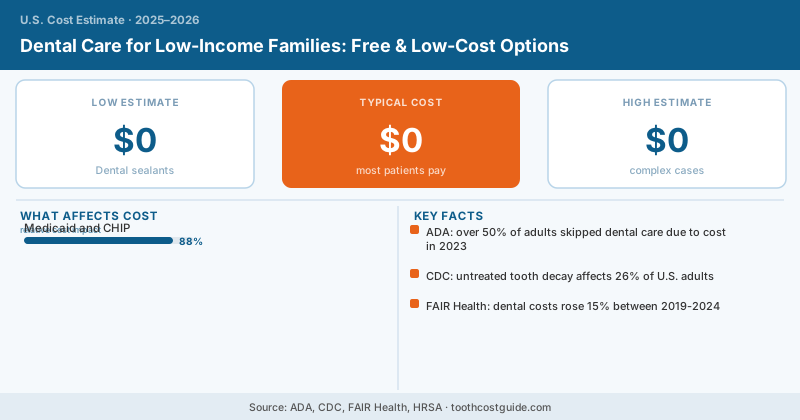
Here’s a number worth knowing: dental care is the single most common unmet health need among children in the United States, according to CDC data. Not because parents don’t care, but because a family stretched thin often can’t picture how to pay for it. The good news is that for kids especially, the help is more generous than most parents realize. Let’s map it out.
This guide splits the family into two parts, kids and adults, because the rules and the money are very different for each.
Kids: coverage is strong
If your household income is low to moderate, your children almost certainly qualify for free or near-free dental care.
Medicaid and CHIP cover dental for children as a required benefit, federally mandated. That means cleanings, exams, X-rays, fillings, and often more, at no cost. CHIP (the Children’s Health Insurance Program) covers kids in families that earn too much for Medicaid but still can’t afford private insurance, and many states cover families up to 200–300% of the poverty line.
| Child Service | Cost With Medicaid/CHIP | Uninsured Cash Price |
|---|---|---|
| Cleaning + exam | $0 | $75–$200 |
| Fluoride treatment | $0 | $20–$50 |
| Dental sealants | $0 | $30–$60 per tooth |
| Filling | $0 | $150–$450 |
| X-rays | $0 | $25–$250 |
If you’re not sure your kids qualify, apply anyway, eligibility is broader than people assume, and there’s no penalty for applying.
Adults: it takes more legwork
Adult dental under Medicaid varies wildly by state, from comprehensive to emergency-only to nothing. So low-income parents often need to combine resources for their own care.
The biggest workhorse is the sliding-scale clinic. Federally Qualified Health Centers (FQHCs), funded by HRSA, charge adults based on income, frequently $20–$60 for a cleaning. HRSA-funded health centers served over 30 million patients in 2023, and many run full dental departments. For details, see our guide on dental school clinics, which offer another deep-discount path at 40–70% off.
- Apply for Medicaid/CHIP for the kids, this is the biggest win and it’s usually free.
- Find your nearest FQHC at findahealthcenter.hrsa.gov for sliding-scale adult care.
- Check whether your state’s Medicaid covers adult dental, even emergency-only coverage helps in a crisis.
- For anything not covered, line up a dental school clinic for major work at student rates.
Stretching the budget further
When coverage runs out, free programs fill the gap. Our free dental care programs guide lists charities, mission events, and donated-care networks, some provide thousands of dollars in free treatment to families who qualify. And cheap dental care options compares every low-cost route side by side.
For parents who earn a bit too much for sliding-scale aid, a dental discount plan at $80–$200 a year cuts the whole family’s costs 10–60% with no income test and no waiting period.
Prevention is the cheapest care there is. The CDC reports that dental sealants prevent up to 80% of cavities in the molars where most childhood decay happens, and they’re covered free by Medicaid/CHIP. Two cleanings and sealants a year cost a low-income family almost nothing but prevent the expensive fillings and extractions down the road.
A realistic family plan
Put it together and a low-income family can cover the essentials for very little: kids fully covered through Medicaid/CHIP, parents getting cleanings on a sliding scale, and bigger jobs handled at a dental school or through a charity program. The work isn’t free in effort, you’ll fill out forms and maybe wait for appointments, but it can be nearly free in dollars.
If a large bill does land, don’t pay it blind. Our negotiating dental bills guide shows how to ask for a discount or payment plan before you hand over money you don’t have. With the right combination of programs, even a tight family budget can keep every member’s teeth healthy.
Frequently Asked Questions
A routine dental cleaning typically costs $20–$60 per visit at community health centers and federally qualified health centers (FQHCs) that offer sliding-scale fees based on household income. Without insurance, unsubsidized cleanings at private practices usually run $75–$200, but low-income families often qualify for the reduced rates through income-based programs.
Yes, Medicaid and the Children's Health Insurance Program (CHIP) cover pediatric dental benefits, including cleanings, exams, and basic treatments, with little to no out-of-pocket cost for eligible children. Coverage varies by state, but all states are required to include dental services in their Medicaid plans for children under 21.
The standard recommendation is two dental cleanings per year (every 6 months) for both children and adults to prevent cavities and gum disease. At community health centers offering $20–$60 cleanings, this amounts to roughly $40–$120 annually per family member, making preventive care affordable compared to emergency extractions or fillings.