Six-year-old Mia refused to even sit in the dental chair at her last appointment, let alone open her mouth. Her mom left with a bill for a missed appointment and no cleaning done — a common, frustrating scenario for parents of kids with real dental anxiety, not just typical reluctance.
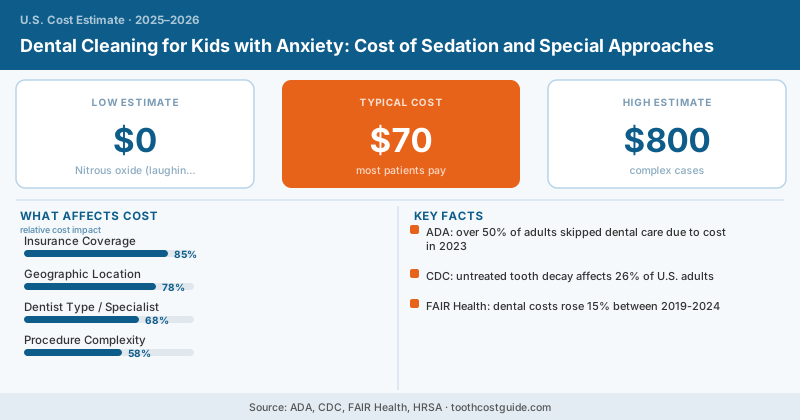
The good news: pediatric dentistry has a full toolkit for this exact problem, ranging from free behavioral techniques to sedation options, adding $0-$800 on top of the standard $75-$200 cleaning fee depending on what your child actually needs.
| Approach | Typical Added Cost |
|---|---|
| Behavioral techniques (tell-show-do, distraction) | $0 (included in visit) |
| Desensitization visit (no treatment, just familiarization) | $0–$75 |
| Nitrous oxide (laughing gas) | $40–$100 |
| Oral conscious sedation | $150–$350 |
| Full sedation (pediatric anesthesiologist) | $300–$800+ |
Start With the Free Options First
Most pediatric dentists are specifically trained in behavioral management techniques designed to reduce anxiety without any sedation at all. “Tell-show-do” — explaining a tool, showing it up close, then demonstrating gently before actual use — is standard practice and costs nothing extra. Distraction techniques like ceiling-mounted TVs, handheld tablets, or simply talking through what’s happening in kid-friendly language resolve mild-to-moderate anxiety for many children without escalating to any sedation option.
For kids with more significant anxiety, a desensitization visit — a short appointment focused purely on getting comfortable in the chair, meeting the dentist, and seeing the tools without any actual cleaning or treatment — can make a real difference for the next visit, and many pediatric offices offer this at low or no cost as an investment in reducing future difficulty.
Nitrous Oxide: The Most Common Next Step
If behavioral techniques alone aren’t enough, nitrous oxide — commonly known as laughing gas — is typically the next option pediatric dentists reach for. It’s inhaled through a small nasal mask, takes effect within minutes, and wears off almost as quickly once the mask is removed, with no lingering grogginess or recovery time needed. The American Academy of Pediatric Dentistry considers it one of the safest sedation options available, and it adds a relatively modest $40-$100 to the visit cost.
Mention your child’s specific anxiety level and any past difficult visits when scheduling, not just on arrival. Many pediatric offices will proactively schedule anxious kids for shorter, less rushed appointment slots, or recommend a desensitization visit first — information that helps them plan the right approach and staffing before you arrive.
When Deeper Sedation Becomes Necessary
For children with severe anxiety, special needs that make behavioral techniques less effective, or extensive treatment needs beyond a simple cleaning, oral conscious sedation (a liquid medication given before the appointment) or full sedation with a pediatric anesthesiologist present may be recommended. These options cost significantly more — $150-$800+ — reflecting the additional monitoring equipment, staff, and sometimes a separate anesthesiologist fee required for safety.
These deeper sedation levels are typically reserved for cases where lighter approaches have been tried and haven’t worked, or where the amount of needed dental treatment (multiple fillings, extractions) makes a fully cooperative, unsedated visit unrealistic.
Does Insurance Cover Sedation for Kids?
Coverage varies significantly by plan and by the specific sedation level. Nitrous oxide is frequently covered, at least partially, especially when documented as medically necessary for a child with diagnosed anxiety or a special healthcare need. Oral conscious sedation and full sedation are covered less consistently — some medical insurance (not dental) may contribute if the sedation is tied to extensive treatment needs, particularly for children with documented special needs. Always ask for a pre-treatment estimate specifying the sedation approach before the appointment.
Building Long-Term Comfort, Not Just Managing One Visit
The CDC notes dental caries remains one of the most common chronic conditions in US children, making regular dental visits genuinely important rather than optional — which is exactly why addressing anxiety proactively, rather than avoiding the dentist altogether, matters. A pediatric dentist experienced with anxious kids can often reduce reliance on sedation over successive visits as trust builds, turning what starts as a $300+ sedated visit into routine, low-cost cleanings over time.
Any sedation beyond nitrous oxide requires careful monitoring and should only be performed by a provider with appropriate training and monitoring equipment for pediatric patients. Ask specifically about the provider’s pediatric sedation credentials and what monitoring equipment will be used before agreeing to oral conscious sedation or deeper options for your child.
The Bottom Line
A cleaning for an anxious child doesn’t have to mean an automatic added expense — free behavioral techniques and desensitization visits resolve many cases. When more support is needed, nitrous oxide at $40-$100 handles the majority of remaining cases affordably, with deeper sedation reserved for more severe situations. Talk to your pediatric dentist’s office in advance about your child’s specific needs so the right, and most cost-appropriate, approach is ready before you arrive.
Frequently Asked Questions
The base cleaning fee ($75-$200) stays the same, but additional support for anxious kids adds cost: nitrous oxide (laughing gas) runs $40-$100, oral conscious sedation runs $150-$350, and full sedation with a pediatric anesthesiologist for extreme cases runs $300-$800 or more.
Yes, nitrous oxide (laughing gas) is considered one of the safest and most commonly used sedation options in pediatric dentistry, with a strong safety record, quick onset, and quick recovery — most children are back to normal within minutes of the mask being removed, with no lingering grogginess.
Many pediatric dentists offer free or low-cost behavioral approaches first: tell-show-do techniques, desensitization visits with no treatment, distraction tools like TVs or tablets, and shorter initial visits — these often resolve mild-to-moderate anxiety without any added sedation cost at all.