What does a $500 tooth actually look like? A dental flipper — a thin, removable acrylic appliance with a single fake tooth attached — is often the answer for patients who need something in the gap immediately but aren’t ready (financially or medically) for a permanent solution yet.
Flippers cost $300-$700, making them one of the most budget-friendly tooth replacement options available. The trade-off: they’re built for temporary use, not decades of daily wear.
| Tooth Replacement Option | Typical Cost | Timeframe |
|---|---|---|
| Dental flipper (temporary) | $300–$700 | 6 months–a few years |
| Removable partial denture (with metal framework) | $650–$2,500 | 5–10 years |
| Dental bridge (fixed, 3-unit) | $1,500–$5,000 | 10–15 years |
| Single dental implant | $3,000–$6,000 | 20+ years |
| Essix retainer with tooth (similar concept) | $300–$600 | 6 months–a few years |
What a Flipper Actually Is
A flipper is made from a thin acrylic base, shaped to fit the roof of your mouth or along your lower gum line, with a prosthetic tooth (or teeth) attached where the gap is. It’s called a “flipper” because early versions could be flipped in and out with the tongue with relative ease — modern versions fit more securely, but the name stuck.
Because it’s entirely acrylic without a rigid metal framework, a flipper is lighter and cheaper to fabricate than a true removable partial denture, but also more prone to flexing, cracking, and general wear under regular biting forces.
When a Flipper Makes Sense
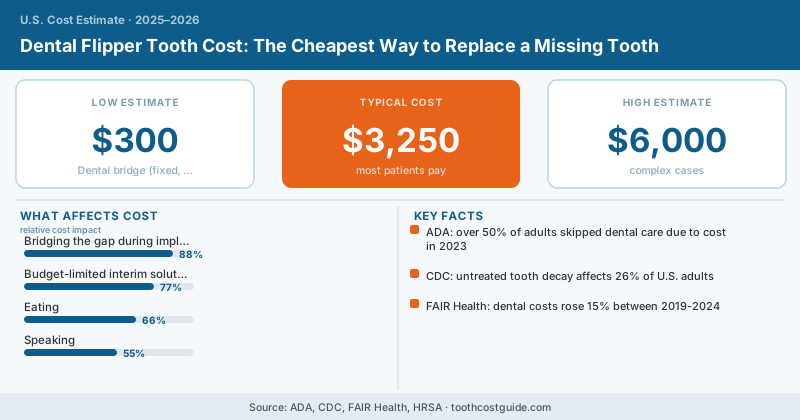
Bridging the gap during implant healing. After an extraction and before an implant can be placed (or during the 3-6 month integration healing period), a flipper lets patients avoid walking around with a visible gap in the meantime.
Immediate cosmetic solution after an accident. If a front tooth is knocked out or needs extraction, a flipper can typically be fabricated within days, versus weeks for a bridge or months for an implant process.
Budget-limited interim solution. For patients saving up for a permanent option, a flipper provides a functional, presentable placeholder at a fraction of the eventual cost.
Wearing a flipper for years beyond its intended use isn’t just an aesthetic compromise — the surrounding teeth can shift into the empty space over time if a proper permanent restoration is delayed too long, potentially complicating or increasing the cost of the eventual permanent solution. If cost is the barrier to moving forward, discuss a phased financial plan with your dentist rather than treating the flipper itself as the final answer.
Living With a Flipper Day to Day
Eating: Most dentists recommend removing a flipper for meals, or at minimum avoiding hard, sticky, or chewy foods that could crack the acrylic or dislodge the appliance.
Speaking: A brief adjustment period of a few days to a couple weeks is typical as your tongue and cheek muscles adapt to the appliance’s presence.
Cleaning: Remove and clean the flipper daily with a soft brush and appropriate denture cleaner — never toothpaste, which can be abrasive to the acrylic surface and dull it over time.
Insurance Coverage
Flippers are generally inexpensive enough that many patients pay out of pocket without involving insurance at all, but when it’s clearly tied to a covered procedure — such as a temporary appliance following a covered extraction — some plans will reimburse a portion under basic prosthodontic benefits. Check your plan’s specific frequency and appliance-type language before assuming coverage either way.
If a flipper feels loose, causes sores, or shows visible cracks, don’t keep wearing it as-is. A poorly fitting flipper can irritate gum tissue and, in some cases, contribute to bacterial buildup against the appliance. Have it adjusted or relined rather than tolerating discomfort to save a follow-up visit fee.
The Bottom Line
A dental flipper at $300-$700 is the most affordable way to fill a gap immediately, whether you’re healing from an implant, recovering from an accident, or saving toward a permanent solution. Just don’t mistake it for a permanent fix — plan the transition to a bridge, partial denture, or implant within its realistic lifespan of a few years at most.
Frequently Asked Questions
A dental flipper typically costs $300–$700, making it one of the least expensive ways to replace a missing tooth, though it's intended as a temporary or interim solution rather than a permanent one. Some dentists include a flipper in the total treatment cost when it's being used as a placeholder during implant healing.
A flipper is designed for temporary use, typically lasting 6 months to a few years depending on care and how it's used. It's not built to withstand the same daily chewing forces as a permanent bridge, implant, or well-made removable partial denture, and the acrylic can crack or wear out with heavy use.
No. A flipper is a lightweight, acrylic-only temporary appliance, usually without the metal framework that gives a true removable partial denture its strength and longevity. Flippers are typically used as a placeholder — while waiting for an implant to heal, or as a stopgap before a more permanent restoration is finalized.