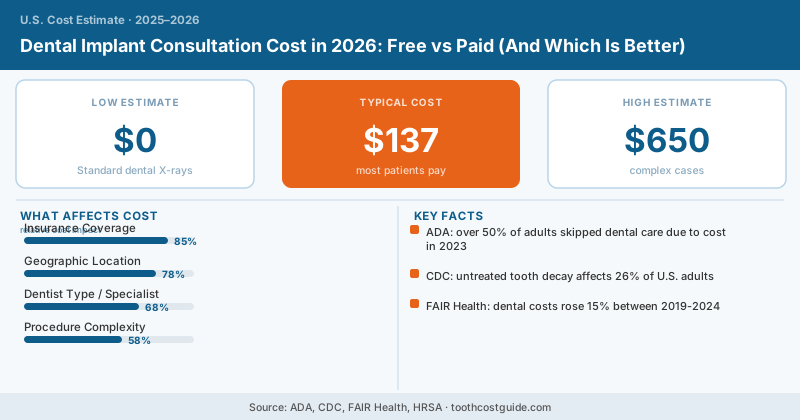
Before you spend $4,000 on an implant, you’ll spend something on a consultation — anywhere from $0 to $300, plus the cost of a 3D scan. Here’s the counterintuitive part: a free consultation isn’t always the better deal, and a paid one isn’t a rip-off. What you pay shapes what you get.
Let’s walk through the consultation step by step, what each piece costs, and how to tell a genuine evaluation from a sales pitch.
Consultation Pricing Breakdown
| Item | Typical Cost |
|---|---|
| Initial consultation (exam + discussion) | $0–$300 |
| CBCT 3D scan (the important one) | $150–$650 |
| Standard dental X-rays | $25–$250 |
| Written treatment plan | $0–$150 |
| Specialist (oral surgeon / periodontist) consult | $100–$300 |
The consultation fee itself is the small part. The CBCT scan — the cone-beam 3D image that shows your bone volume and nerve position — is where the real value and the real cost live.
Free vs Paid: What’s the Difference?
A free consultation is usually a marketing tool. It often includes a quick exam and a sales conversation, with the detailed CBCT and treatment plan billed separately if you proceed. Nothing wrong with that — just know the “free” part is the cheap part.
A paid consultation, especially with a specialist, typically buys you more chair time, a thorough exam, and a candid assessment of whether implants are even right for you. Many practices credit the consultation fee toward treatment if you move forward.
Don’t choose your surgeon based on whether the consult is free. Choose based on whether they do a proper workup — a CBCT scan, a written plan, and an honest discussion of alternatives. A free consult that skips the 3D scan and jumps straight to a contract is a red flag, not a bargain.
What a Thorough Consultation Should Include
A real implant evaluation covers more than “you need an implant, sign here.” Expect:
- A full exam of the site and surrounding teeth
- A CBCT scan to measure bone height, width, and density
- An assessment of whether you need a bone graft or sinus lift first
- A discussion of alternatives — a dental bridge or denture might fit your situation better
- A written, itemized treatment plan with total costs
If you have conditions like diabetes or you smoke, a good consult also addresses how those affect your candidacy and price.
Watch for the same-day, high-pressure close. If a clinic offers a steep “today only” discount that expires if you walk out, slow down. A five-figure surgical decision deserves a second opinion and time to compare itemized quotes. Reputable practices honor their pricing whether you sign that afternoon or next week.
Why the CBCT Is Worth Paying For
The cone-beam scan is the single most important thing you’ll get at consultation. It reveals whether you have enough bone, where your nerves and sinuses sit, and whether grafting is needed — all before anyone touches your jaw. Skipping it to save $300 means flying blind into a $4,000 procedure. The ADA and oral surgery groups consider 3D imaging standard of care for implant planning.
Getting Multiple Opinions Affordably
Implant quotes vary widely between practices, so it pays to consult more than one. To keep that affordable:
- Ask for a copy of your CBCT — you may be able to reuse it at a second consult instead of paying twice.
- Use dental schools for low-cost evaluations and second opinions.
- Look into dental savings plans, which sometimes discount consultation and imaging fees.
Does Insurance Cover the Consult?
Often, yes — the exam and X-rays may fall under your preventive or diagnostic benefit, while the CBCT may or may not be covered. Checking how dental insurance works for your plan tells you whether the consultation counts against your annual maximum.
Bottom Line
A dental implant consultation costs $0–$300, plus $150–$650 for the CBCT scan that actually drives your treatment plan. Free isn’t automatically better — what matters is whether you get a real 3D workup, a written plan, and an honest talk about alternatives. Pay for the scan, get a second opinion, and never let a same-day discount rush a five-figure decision.
Frequently Asked Questions
Dental implant consultations range from free to $300, depending on the practice and whether they include diagnostic imaging. If a 3D CBCT scan is performed during the consultation, expect an additional $150 to $650 for that imaging alone, which is often required to assess bone density and implant placement.
Most dental insurance plans do not cover implant consultations or the diagnostic scans associated with them, as implants are typically classified as a major or cosmetic procedure with limited or no coverage. You can expect to pay the full consultation and imaging costs out-of-pocket, though some practices may apply consultation fees toward the implant procedure if you move forward with treatment.
A typical implant consultation lasts 30 to 60 minutes and includes a clinical examination, review of your medical history, discussion of implant candidacy, and often a 3D scan to evaluate your jawbone. The dentist will explain the implant process, timeline (usually 3 to 6 months from placement to crown completion), and provide a treatment estimate before any commitment is made.