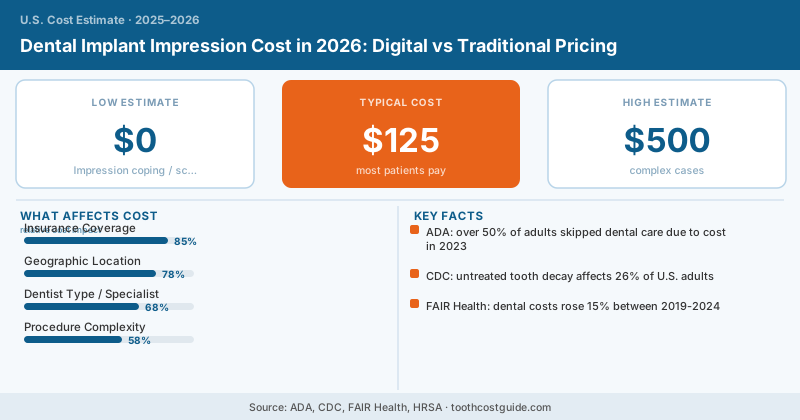
The implant impression is the step that captures the exact position of your implant so the lab can build a crown that fits perfectly. It costs $100 to $500 — but here’s the catch most patients miss: it’s frequently bundled into the crown fee, so whether you see it as a separate charge depends entirely on how your dentist itemizes.
This is the quietest step in the implant process, and it’s also where digital technology has changed the game. Let’s break down both the cost and the two ways it’s done.
What an Implant Impression Costs
| Method | Typical Cost |
|---|---|
| Traditional impression (putty + impression coping) | $100–$300 |
| Digital intraoral scan | $150–$500 |
| Impression coping / scan body (the part) | $50–$200 |
| Re-do impression (if first one’s inaccurate) | $0–$300 |
Set against the full dental implant cost, this is small — but precision here is everything. A sloppy impression means an ill-fitting crown, which means redos.
Traditional vs Digital: What Changed
For decades, implant impressions meant a tray of putty and an impression coping screwed onto your implant to record its position. It works, but it’s messy, can be uncomfortable, and small distortions in the material can throw off the fit.
Now many practices use an intraoral scanner — a wand that captures a 3D digital model in minutes. It’s more comfortable, often more accurate for single units, and the digital file goes straight to the lab or milling machine. Dental schools and the ADA have tracked rapid adoption of digital scanning across US practices over the past decade.
Digital scans usually cost a little more upfront than putty impressions, but they reduce the odds of a remake. Since an inaccurate impression means an ill-fitting crown and a do-over, the slightly higher scan fee often pays for itself in avoided redos. Ask whether your dentist scans or molds — and whether the impression is bundled into your crown fee.
Why Implant Impressions Are Trickier Than Crown Impressions
A regular dental crown impression just records the shape of a prepared tooth. An implant impression has to capture the precise angle and depth of a post buried in your jaw, using a special coping or scan body that screws onto the implant. Get the angle slightly wrong and the crown won’t seat correctly. That’s why the impression step uses dedicated parts and a bit more chair time.
If your crown doesn’t seat or your bite feels off after placement, the impression may have been inaccurate — and a remake should typically be redone at no extra charge if it’s the lab or impression at fault. Clarify your dentist’s remake policy before the crown is made, so a do-over isn’t billed to you.
When You’ll Encounter This Step
The impression happens after your implant has fully integrated and the gum has shaped around the healing abutment. Your dentist removes the healing abutment, takes the impression or scan, and sends it to the lab. A few weeks later, your final abutment and crown come back. So this step sits near the end of the journey, right before the crown placement.
Insurance Coverage
Most plans don’t reimburse the impression as a standalone item — it’s wrapped into the crown’s restorative code. Knowing how dental insurance works helps you read your benefits statement, but for this step there’s rarely a separate claim to track.
How to Avoid Overpaying
- Ask if the impression is bundled into the crown fee — usually it is.
- Ask whether they scan or mold — digital can mean fewer remakes.
- Confirm the remake policy before the crown is fabricated.
- Don’t pay twice for the impression and the crown if your quote was “all-inclusive.”
Bottom Line
A dental implant impression costs $100–$500, and it’s commonly bundled into your crown fee rather than billed separately. Digital scans cost slightly more than traditional putty but cut down on inaccurate crowns and remakes. The main thing to confirm: whether it’s itemized or included, and what happens if the first impression doesn’t produce a well-fitting crown.
Frequently Asked Questions
A dental implant impression typically costs $100 to $500, though many dental offices bundle this fee into the total crown cost, so you may not see it as a separate line item on your bill. Digital scans tend to be on the higher end of this range, while traditional putty mold impressions are usually closer to $100-$250. Always ask your dentist whether the impression fee is included in the quoted crown price or if it will be charged separately.
Most dental insurance plans do not cover implant impressions because dental implants are considered a cosmetic or elective procedure, and impressions are viewed as part of the restoration process rather than preventive care. You can expect to pay out-of-pocket for the full $100-$500 impression fee, though some plans may cover a portion if the implant is replacing a tooth due to accident or disease. Check your specific plan's exclusions and contact your insurer before scheduling to confirm coverage eligibility.
A digital scan uses an intraoral scanner to capture a 3D image of your implant site in minutes with no messy materials, while a traditional putty impression requires the dentist to place soft impression material in your mouth for several minutes. Digital scans are typically more accurate, faster, and cost $300-$500, whereas putty impressions cost $100-$250 but can be less precise and sometimes need to be retaken. Digital technology has become the standard at many practices, but traditional impressions remain a viable and more affordable option if your dentist offers them.