You retired at 60. The pension’s set, the mortgage is shrinking, and then it hits you: your employer dental plan ended with your last paycheck, and Medicare is five long years away. That gap — retired but not yet 65 — catches a lot of early retirees off guard. And here’s the kicker most people don’t realize: even once you do hit 65, original Medicare doesn’t cover routine dental at all.
So whether you’ve got five years to bridge or you’re already on Medicare and shocked to find no cleanings covered, you need a separate dental plan. Let’s walk through the real options.
Why this gap is so common
People retire early for all kinds of reasons — buyouts, health, just being ready. The Employee Benefit Research Institute has long reported that a meaningful share of Americans retire before 65, which means a stretch with no employer coverage and no Medicare. Dental is usually the first benefit to vanish, because unlike COBRA-eligible medical, employer dental often ends fast.
Your four real options
| Option | Typical monthly cost | Best for |
|---|---|---|
| COBRA (continue employer dental) | $35–$70 | Mid-treatment; short gap to new coverage |
| Individual private dental plan | $25–$55 | Routine care; planning ahead for major work |
| Marketplace standalone dental | $20–$50 | Pairing with an ACA health plan pre-65 |
| Dental discount plan | $10–$20 | Cash-flow focus; no waiting periods |
1. COBRA as a short bridge
If you just retired and have work scheduled, COBRA keeps your exact plan and dentist for up to 18 months. It’s pricey since you pay the full premium, but for finishing a crown or implant it’s often worth it. For a five-year gap, though, COBRA runs out long before Medicare arrives.
2. Individual private dental plan
This is the workhorse for early retirees. You buy directly from a carrier, premiums are predictable, and preventive care is usually covered right away. The catch: major work like bridges and dentures typically carries a 6–12 month waiting period, so enroll before you need the big stuff.
3. Marketplace dental
If you’re buying an ACA health plan to bridge to Medicare, you can usually add a standalone marketplace dental plan at the same time. Convenient if you’re already in the marketplace for medical.
4. Dental discount plans
Not insurance, but useful. A discount plan runs $10–$20 a month, has zero waiting periods, and cuts cash prices at member dentists immediately. Great for filling short gaps or for retirees who just want to soften the cost of cleanings and the occasional filling.
Original Medicare (Parts A and B) does not cover routine dental — no cleanings, fillings, crowns, or dentures. Some Medicare Advantage (Part C) plans bundle limited dental, but coverage is often capped low. So whether you’re 60 and waiting, or 66 and surprised, plan on carrying a standalone dental plan or discount plan to cover everyday dental needs. Don’t assume Medicare will fill the gap at 65 — it won’t for routine care.
Timing your enrollment around big procedures
Here’s the strategy that saves the most money. If you know you’ll need major work — say a couple of implants or full dentures — enroll in a private plan early, ride out the waiting period while getting cleanings covered, then schedule the big work once the wait clears. Trying to buy insurance the month before a $4,000 procedure almost never pays off because of those waiting periods.
If you’re tempted to skip dental coverage entirely until Medicare kicks in, run the numbers first. The ADA has reported that older adults face rising rates of gum disease and tooth loss, and a single untreated problem can cascade into a root canal or extraction costing far more than years of premiums. Going bare for five years is a gamble that often loses.
A simple plan for the gap
- Just retired, work pending? COBRA short-term, then transition to a private plan.
- Long gap, routine needs? Individual private plan, enrolled early.
- Already on an ACA health plan? Add marketplace dental.
- Tight budget, no big procedures expected? Discount plan now, reassess yearly.
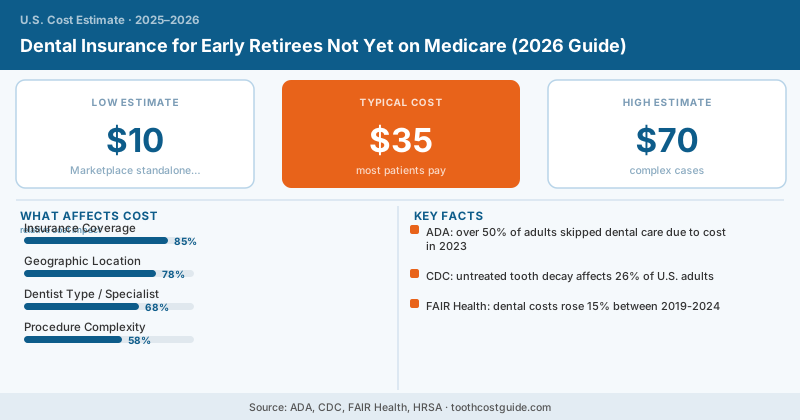
The bridge from early retirement to Medicare doesn’t have to mean going without dental care. Pick the option that matches your timeline and your treatment needs, and budget $25–$60 a month to protect that retirement nest egg from a surprise dental bill.
Frequently Asked Questions
Standalone dental plans for early retirees typically range from $25 to $60 per month, depending on the plan type and coverage level you choose. Basic plans covering cleanings and exams fall on the lower end, while comprehensive plans that include major restorative work cost closer to $50–$60 monthly. Many insurers offer discounts for annual prepayment or multi-year commitments.
Most standalone dental plans cover preventive care like cleanings, exams, and X-rays with little or no waiting period, often within 6–12 months of enrollment. However, major procedures such as crowns, root canals, and bridges typically have 12–24 month waiting periods before coverage begins. Always review your specific plan documents, as waiting periods and coverage percentages vary between insurers.
It's generally smart to enroll in standalone coverage now rather than wait, since five years of untreated dental problems can lead to costly emergency extractions or infections by age 65. Medicare Advantage plans with dental benefits do exist, but they often have higher premiums, annual maximums around $1,000–$1,500, and waiting periods that penalize late enrollment. Starting a plan at 60 lets you maintain preventive care and spread costs evenly across your retirement years.