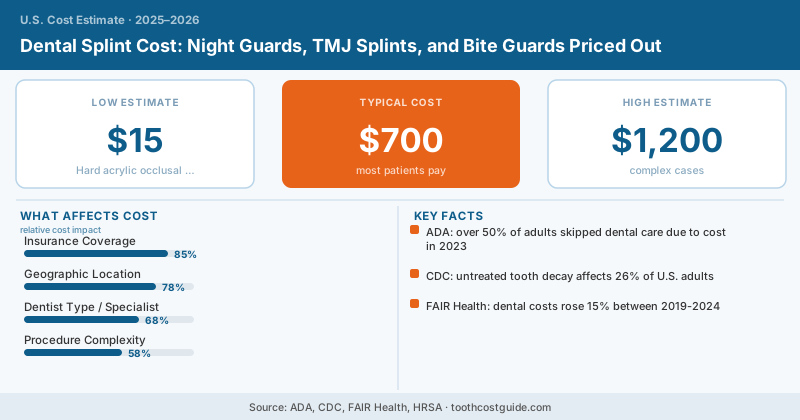
$1,200 sounds like a lot to pay for a piece of plastic you wear while sleeping. But the alternative — cracked molars, worn-down enamel, and chronic jaw pain from untreated bruxism — routinely costs $3,000 to $15,000+ in crowns, root canals, and TMJ treatment down the line.
A custom dental splint runs $300–$1,200 depending on type, while a drugstore boil-and-bite version costs $15–$50. Both exist for the same basic reason: protecting teeth from the forces of nighttime grinding and clenching, a condition affecting a meaningful share of American adults, particularly during periods of high stress.
| Splint Type | Typical Cost | Best For |
|---|---|---|
| Over-the-counter boil-and-bite guard | $15–$50 | Occasional, mild grinding |
| Soft custom night guard | $300–$600 | Mild-to-moderate bruxism |
| Hard acrylic occlusal splint | $500–$900 | Moderate-to-severe grinding |
| NTI-tss device (anterior deprogrammer) | $300–$500 | Migraine/TMJ-linked clenching |
| Full TMJ orthotic splint | $800–$1,200 | Diagnosed TMJ disorder |
Why the Price Gap Between Store-Bought and Custom Is So Large
An over-the-counter guard is one-size-fits-most, molded by you at home in boiling water. It works for occasional light grinding. What it doesn’t do well: distribute bite force evenly, stay in place all night, or account for your specific bite alignment.
A custom splint starts with a digital scan or physical impression of your teeth, sent to a dental lab that fabricates the device to your exact bite. The dentist then adjusts the occlusal surface chairside — grinding tiny high spots so force is distributed evenly across all teeth rather than concentrated on one or two. That precision fitting is most of what you’re paying for, not the material itself.
Soft vs. Hard: Picking the Right Type
Soft guards are more comfortable initially and are often prescribed for milder cases. The downside: some patients with severe grinding actually chew through a soft guard within months, and a soft material can occasionally encourage more clenching in certain bite patterns.
Hard acrylic splints cost more but hold up far better against heavy grinding and last 3–5 years with proper care. Most dentists recommend hard splints once grinding is confirmed to be moderate or severe, based on visible wear facets on the teeth.
A basic night guard protects teeth from wear. A TMJ orthotic splint is designed specifically to reposition the jaw joint and reduce muscle strain associated with temporomandibular joint disorder — a distinct diagnosis requiring a specific bite analysis, not just a mold of your teeth. If you have jaw pain, clicking, or morning headaches in addition to grinding, ask specifically about a TMJ-specific splint rather than a standard night guard.
Getting Insurance to Pay Its Share
Dental insurance treats night guards inconsistently — some plans cover 50% toward one guard every 2–3 years if the dentist documents bruxism with visible tooth wear; others exclude night guards entirely as elective.
TMJ splints sometimes fall under medical insurance instead, since temporomandibular joint disorder is classified as a medical diagnosis in many billing systems. If your dentist diagnoses TMJ disorder, ask whether the claim can be submitted to your medical plan rather than (or in addition to) dental.
Getting More Life Out of the Splint You Buy
- Rinse and brush the splint each morning; food debris and bacteria degrade the acrylic and soft liner over time
- Store it in a rigid case, never wrapped in a napkin or tissue — most guards lost or damaged happen through careless storage, not wear
- Bring it to regular dental checkups so the dentist can check for cracks, thinning, or a fit that’s drifted as your bite shifts
A splint that no longer fits snugly isn’t just less effective — it can actually shift your bite over time if worn loose or crooked. If a guard feels different than it did six months ago, have it checked rather than continuing to wear it as-is.
The Bottom Line
A custom splint at $300–$1,200 is protective insurance against far larger dental bills down the road. Store-bought guards have a place for occasional, mild grinding, but anyone with confirmed moderate-to-severe bruxism or TMJ symptoms should budget for the custom version — and push their insurer to cover it as a medically necessary device rather than an elective cosmetic item.
Frequently Asked Questions
A custom-fit dental splint from a dentist typically costs $300–$1,200, depending on the type (soft night guard, hard occlusal splint, or a TMJ-specific NTI or anterior deprogrammer device) and the materials used. Over-the-counter boil-and-bite guards cost $15–$50 but fit and protect far less predictably.
Coverage varies significantly. Many dental plans cover a portion of a night guard if it's billed as medically necessary for bruxism, typically 50% up to an annual maximum, but some plans exclude night guards as a 'cosmetic' or elective item. TMJ-specific splints are sometimes covered under medical insurance rather than dental insurance, since TMJ disorder is classified as a medical condition.
A well-made hard acrylic night guard typically lasts 3–5 years with regular wear, while a soft guard may need replacement after 1–2 years due to faster wear from grinding. Guards should be replaced sooner if you notice thinning, cracking, or a looser fit than when it was first made.