Three hours and forty minutes. That’s roughly the flight from Miami to Bogotá, and it’s the reason Colombia has quietly become a favorite dental-tourism destination for Americans. You get implant and crown prices 60–80% below US rates without crossing an ocean. For folks on the East Coast and in the South, the math can be tough to argue with.
Let’s look at what Colombian dental care costs, where to go, and when it’s actually worth the trip.
The price difference
Colombia’s cost of living and lower overhead let clinics charge a fraction of US fees while using comparable materials and equipment.
| Procedure | Colombia Price | Typical US Price | Savings |
|---|---|---|---|
| Single dental implant | $700–$1,500 | $3,000–$6,000 | 65–80% |
| Porcelain crown | $250–$550 | $1,000–$1,500 | 60–75% |
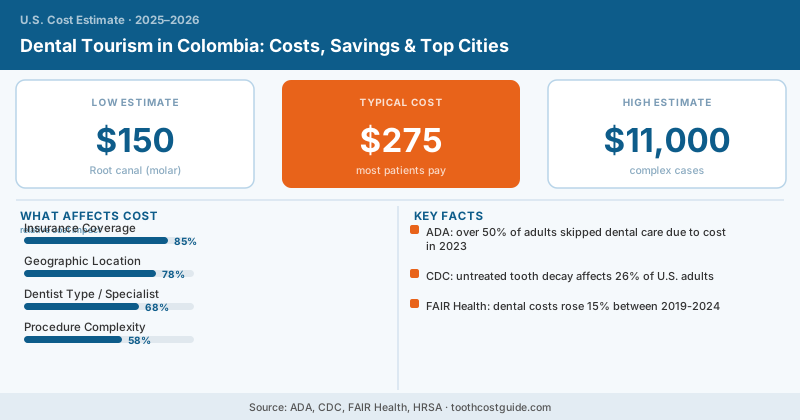
| Root canal (molar) | $150–$400 | $1,000–$1,800 | 75–85% |
| Veneers (per tooth) | $250–$600 | $1,000–$2,500 | 65–80% |
| All-on-4 (full arch) | $6,000–$11,000 | $20,000–$30,000 | 60–70% |
Where to go
The major dental-tourism hubs are Medellín, Bogotá, Cali, and Cartagena. Medellín, in particular, has earned a reputation for high-end cosmetic and implant clinics that market directly to North Americans, with bilingual coordinators who arrange your treatment plan before you land.
Cartagena adds a beach-vacation angle, you recover by the Caribbean. Bogotá has the largest concentration of specialists and academic dental centers.
Colombia’s biggest edge over Thailand or Hungary is proximity. A 3–5 hour flight from the US means a second trip for implant completion is realistic and affordable. That matters because implants need 3–6 months of healing between placement and the final crown. Two short Colombia trips often beat one long-haul journey to Asia.
When the trip pays off
Run the all-in numbers: procedure cost, airfare ($250–$600 round trip from many US cities), lodging, and meals. For a single implant, you might save $2,000+ even after travel. For full-arch work or multiple dentures, savings can clear $10,000.
Small jobs still don’t justify the trip. One filling or a single root canal is cheaper to handle at a dental school clinic at home, where you’ll save 40–70% without a passport.
Vetting a Colombian clinic
Quality varies, so screen carefully:
- Confirm the dentist’s credentials and where they trained
- Look for clinics that serve international patients and have English-language reviews
- Ask which implant brand they use, globally recognized brands ease any future follow-up
- Get the full treatment plan and price in writing before you fly
The CDC reminds medical travelers to research providers and facilities thoroughly and to carry a copy of their dental records both directions.
Plan for complications before you go. If an implant fails or a crown needs adjustment after you’re home, returning to Colombia costs another flight. Set aside 15–20% of your savings as a revision buffer, and ask whether the clinic offers any guarantee or warranty on its work, many reputable ones do.
Worth it or not?
If you’re uninsured and staring down a five-figure implant or full-arch quote, Colombia can cut it dramatically, and the short flight makes it more practical than farther destinations. Before booking, compare against domestic financing through CareCredit for dental and the cash-saving moves in our dental savings without insurance guide. Sometimes paying at home in installments wins once you count travel and time off work.
For routine care, stay home, a dental discount plan handles cleanings and fillings cheaply. But for major restorative work, Colombia delivers real savings with a flight shorter than most domestic trips.
Frequently Asked Questions
Dental implants in Colombia typically cost $700–$1,500 per implant, compared to $3,000–$6,000 in the United States. This represents savings of 60–80%, which can total $2,000–$5,000 or more per tooth depending on the complexity of your case and the clinic you choose.
Most US dental insurance plans do not cover implants placed internationally, and some policies explicitly exclude overseas dental work. You should contact your insurance provider before traveling to confirm whether any portion of the procedure cost will be reimbursed, as you will likely pay out-of-pocket for the entire treatment.
A single implant placement typically takes 1–2 hours, but the full implant process requires multiple visits over 3–6 months for osseointegration and crown placement. Most patients require at least two trips to Colombia—one for implant placement and one for crown fitting—though some clinics offer same-day crown options that may reduce the timeline.