A single dental implant costs around $4,000 in the United States. In Bangkok, the same titanium implant from an internationally accredited clinic runs $900 to $1,800. That gap is why tens of thousands of Americans, Australians, and Europeans fly to Thailand every year specifically for dental work. But cheaper isn’t automatically smarter, so here’s the full picture.
Thailand has built a genuine medical-tourism industry, and dental is a big slice of it. Bangkok and Phuket clinics cater to international patients with English-speaking staff, modern equipment, and prices that make a long flight pencil out, sometimes.
What you’ll actually pay
| Procedure | Thailand Price | Typical US Price | Savings |
|---|---|---|---|
| Single dental implant | $900–$1,800 | $3,000–$6,000 | 60–75% |
| Porcelain crown | $300–$650 | $1,000–$1,500 | 55–70% |
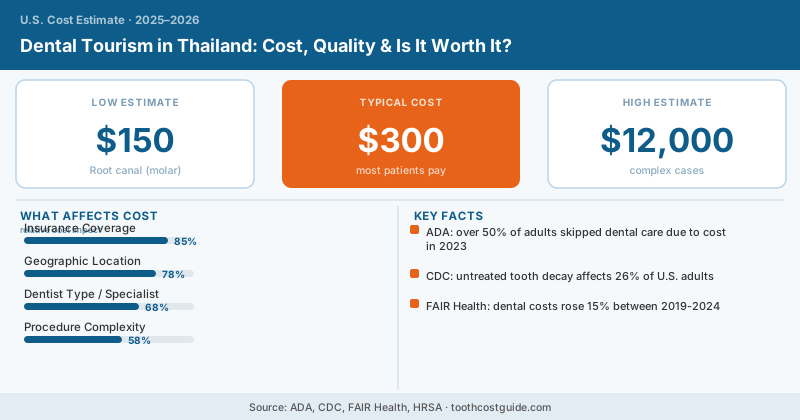
| Root canal (molar) | $150–$450 | $1,000–$1,800 | 70–85% |
| Full veneers (per tooth) | $300–$700 | $1,000–$2,500 | 60–75% |
| All-on-4 (full arch) | $7,000–$12,000 | $20,000–$30,000 | 55–65% |
The savings get bigger as the procedure gets bigger. A single filling isn’t worth a plane ticket. A full-mouth reconstruction or a set of implants absolutely can be, even after airfare and a week in a hotel.
When the math actually works
Add up the true cost: the dental work, round-trip airfare ($800–$1,400 from the US), lodging for the treatment timeline, and meals. For an implant or two, you might break even versus US prices. For a full arch of dentures or All-on-4, you could save $10,000 or more even after the trip.
The catch is time. Implants need a healing period between placement and the final crown, often 3–6 months. That usually means two trips or a very long stay, which changes the math fast.
Crowns, veneers, and full-mouth work give the best value because the per-unit savings are large and most can be completed in one extended visit (1–3 weeks). Single fillings, cleanings, or one crown rarely justify the airfare. Plan your trip around procedures where the savings clear $1,500 or more.
Quality and safety
This is where you do your homework. Look for clinics accredited by the Joint Commission International (JCI), the same body that accredits top hospitals worldwide. Thailand has several JCI-accredited dental and hospital facilities, and their dentists often trained in the US, UK, or Australia.
Read reviews from international patients, confirm the dentist’s credentials, and ask exactly which implant brand they use, name brands like Straumann or Nobel Biocare are serviceable worldwide if you ever need follow-up at home.
The biggest risk isn’t the surgery, it’s the follow-up. If something goes wrong after you fly home, you can’t pop back to Bangkok. Factor in who handles complications: will a US dentist treat work done abroad? Many will, but you’ll pay US prices to fix it. Build a 15–20% buffer into your budget for revisions just in case.
Is it worth it for you?
If you need a single crown or a root canal, skip the flight. A dental school clinic at home gets you 40–70% off without leaving the country, and a dental discount plan handles routine work cheaply.
But if you’re facing $20,000+ in implant or full-arch work and have no insurance to absorb it, Thailand can legitimately cut that bill in half. Before you book, also price out domestic financing through CareCredit for dental, sometimes spreading the cost at home beats the hassle of traveling.
The honest verdict: Thailand dental tourism is real, the quality at accredited clinics is high, and the savings on major work are substantial. Just run the all-in numbers, vet the clinic hard, and have a plan for follow-up care back home.
Frequently Asked Questions
A single dental implant in Thailand costs $900–$1,800 at internationally accredited clinics, compared to around $4,000 in the United States. This represents a 55–78% savings, though total cost depends on the implant brand, crown material, and clinic location within Thailand.
Most US dental insurance plans do not cover implants performed abroad, as they require treatment at in-network providers. You will typically pay out-of-pocket for Thai dental work, though you may submit claims for partial reimbursement depending on your plan—contact your insurer before traveling.
Most patients plan 7–10 days in Thailand to allow for the initial implant placement and follow-up checks, plus travel time. Full implant integration takes 3–6 months, during which you may need remote follow-up care or a second trip to Thailand for crown placement.