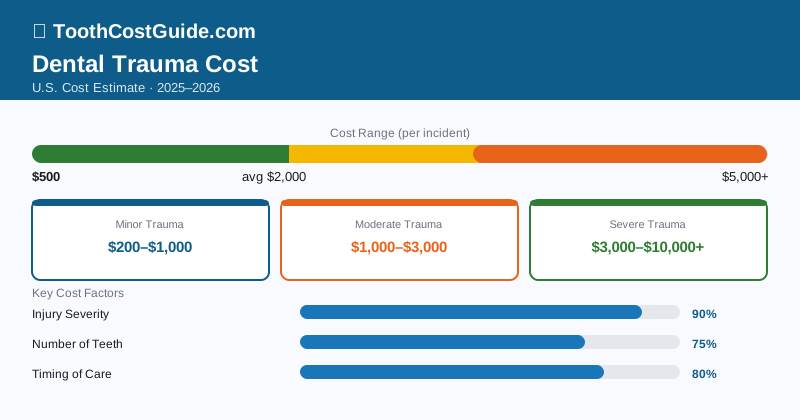
A tooth chipped in a fall might cost $200–$400 to fix. The same fall that chips a tooth, knocks another one out, and fractures the jaw: that’s $10,000–$30,000+ in surgical care. Dental trauma costs range wider than almost any other dental situation — because “dental trauma” covers everything from a tiny enamel chip to a panfacial fracture requiring plated reconstruction.
| Injury Type | Treatment | Cost (No Insurance) |
|---|---|---|
| Chipped/fractured enamel | Bonding or smoothing | $100–$600 |
| Fractured tooth into dentin | Bonding or crown | $300–$1,800 |
| Cracked tooth to pulp | Root canal + crown | $1,700–$3,300 |
| Knocked-out tooth (avulsion) | Re-implantation + root canal | $1,500–$3,500 |
| Luxated (displaced) tooth | Repositioning + splinting | $500–$1,500 |
| Intruded tooth (pushed in) | Monitoring or root canal | $500–$2,000 |
| Jaw fracture (mandible) | Surgery + hardware | $10,000–$30,000 |
| Soft tissue lacerations | Suturing | $300–$800 |
| Emergency exam + CT scan | Diagnosis | $300–$2,000 |
The Four Things That Drive the Cost
How many teeth are involved and how badly. A single chipped front tooth is a single dental appointment. A car accident that fractures four teeth, lacerates the gum, and breaks the jaw is an oral surgery case handled in a hospital operating room.
What type of dental injury it is. Dental trauma falls into distinct categories, each with its own protocol. Fractures range from enamel chips (cheapest) to pulp exposure (most expensive in the tooth itself). Luxation injuries are teeth that are displaced — pushed sideways, partially out, or driven deeper into the socket. Avulsion is complete tooth loss. Each diagnosis maps to a specific treatment and cost range.
How quickly you get treated. For a knocked-out tooth, time to re-implantation is everything. Research shows that teeth reimplanted within 30 minutes have substantially better survival rates than those that wait hours. For cracked teeth, covering exposed dentin or pulp quickly reduces infection risk. Faster treatment usually means less expensive downstream care.
Whether children’s or adult teeth are involved. Knocked-out baby teeth are generally not reimplanted — the risk of damaging the developing permanent tooth underneath outweighs the benefit. Trauma to baby teeth triggers a different set of concerns (protecting the permanent bud) and usually less invasive treatment.
What Each Injury Costs to Fix
Tooth smoothing ($100–$200): A tiny enamel chip with no sensitivity — the dentist gently polishes the edge. No anesthesia, one appointment.
Dental bonding ($200–$600): Composite resin restores missing enamel or dentin. Done in one appointment, no anesthesia typically required for enamel-only fractures. Best for front tooth chips in children and adults. Lasts 5–10 years.
Crown ($1,000–$1,800): For larger fractures that compromise the structural integrity of the tooth. Full coverage protection, longer-lasting than bonding for significant damage.
Root canal + crown ($1,700–$3,300): When a fracture reaches the pulp chamber or the nerve is exposed, root canal precedes crown placement. Without it, exposed pulp becomes infected. This combination is the most common expensive outcome of dental trauma.
Tooth repositioning and splinting ($500–$1,500): For luxated teeth still in the socket, the dentist repositions the tooth under local anesthesia and splints it to adjacent teeth with wire or composite for 2–4 weeks. Root canal may be needed afterward if the pulp doesn’t recover.
Jaw fracture repair ($10,000–$30,000+): Mandibular and maxillary fractures require oral surgery — often open reduction and internal fixation (ORIF) with titanium plates and screws, or arch bars and intermaxillary fixation (jaws wired together). Hospital stays of 1–3 days are standard. Complex panfacial fractures involving multiple facial bones can generate $30,000–$100,000 in total charges.
Which Insurance Pays What
This is the part of dental trauma that trips people up — multiple policies may apply, and failing to file them all means paying more than necessary.
Dental insurance covers trauma-related procedures the same way it covers non-traumatic ones: bonding at 40–80%, root canals at 40–60%, crowns at 40–60%, tooth reimplantation at 50–75% under oral surgery.
Medical insurance picks up ER visits, CT imaging, and jaw surgery performed in a hospital setting. Coordinate benefits — file both dental and medical claims.
Auto insurance matters if the injury happened in a vehicle accident. Medical payments coverage (MedPay) or personal injury protection (PIP) on your auto policy can cover dental injuries from car accidents regardless of fault. Limits typically range from $1,000–$10,000 per incident.
Homeowner’s or renter’s liability coverage may apply if another party’s negligence caused the injury.
Victim assistance programs: If the trauma resulted from assault or domestic violence, most states have victim compensation programs covering medical and dental injury costs. Applies regardless of whether charges were filed.
What To Do in the First Hour
- Control bleeding first — firm pressure with clean gauze for 15–20 minutes.
- Collect any knocked-out teeth or tooth fragments. Store in milk, saline, or saliva. Never tap water (it destroys root cells).
- Go to an emergency room for: suspected jaw fracture, loss of consciousness, bleeding that won’t stop, multiple facial injuries, neck pain, or neurological symptoms. These take priority over dental evaluation.
- Go to a dentist same-day for: knocked-out or displaced permanent teeth, severe tooth pain, or exposed nerve (extreme sensitivity to air or cold).
- Photograph everything — injuries, damage, scene if possible. Save all bills, receipts, and documentation for insurance claims or legal purposes.
- File insurance claims promptly. Auto, homeowner’s, medical, and dental policies all have claim filing windows. Missing deadlines can forfeit coverage.
Reducing the Bill
File every applicable insurance policy. Dental trauma is the one situation where multiple coverage sources may all contribute. Most people leave money on the table by only filing dental insurance.
Talk to a personal injury attorney if another party was at fault. Contingency arrangements mean no upfront cost — attorneys pursue claims for dental injury costs from the responsible party. Initial consultations are free.
Use dental schools for follow-up work. After emergency stabilization at a hospital or private practice, dental schools provide follow-up crowns, implants, and root canals at 40–60% less than private practice rates.
Invest in a mouthguard going forward. Custom-fitted dental mouthguards ($300–$500) dramatically reduce dental trauma risk in contact sports. Stock mouthguards ($15–$25) are less protective but far better than nothing.
Significant dental trauma often accompanies other injuries — concussion, cervical spine injury, or facial fractures. If there is any loss of consciousness, severe headache, neck pain, or neurological symptoms after facial trauma, go to an emergency room immediately. These take priority over dental evaluation.
Dental trauma costs range from $100–$600 for minor chips to $30,000+ for jaw fractures requiring surgery. Multiple insurance policies may apply — coordinate every one. Dental schools and full benefit coordination are the most effective cost-reduction strategies. For knocked-out or displaced teeth, time directly impacts outcomes: faster treatment, better results, lower long-term cost.
Frequently Asked Questions
A knocked-out tooth (avulsed tooth) typically costs $1,000–$5,000 to treat, including emergency care, root canal therapy, and restoration with a crown or implant. If the tooth cannot be saved and requires extraction plus implant placement, costs can reach $5,000–$10,000 or more depending on bone grafting needs and implant type.
Most dental insurance plans cover emergency dental trauma at 50–80% after meeting your deductible, though coverage caps ($1,000–$2,000 annually) may limit reimbursement for extensive injuries. Surgical procedures like jaw fracture repair may fall under medical insurance rather than dental, potentially offering better coverage; always check your policy language for trauma exclusions.
For a knocked-out tooth, seek emergency care within 30 minutes to 2 hours for the best chance of saving it; the tooth should be kept moist (in milk or saliva) during transport. Even for chips and cracks that seem minor, treatment within 24 hours prevents infection and additional damage, with costs typically lower when addressed promptly.