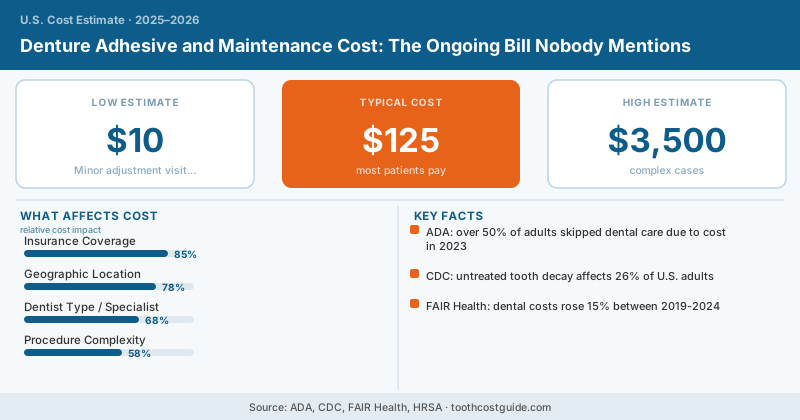
Nobody mentions the ongoing bill when you’re quoted a price for dentures. The $1,500-$3,500 you pay upfront is just the entry fee — adhesives, cleaning supplies, adjustments, and eventual relines add up to real money every single year you wear them.
Budgeting for this ongoing cost, rather than being surprised by it, is the difference between dentures that stay comfortable and dentures you quietly start avoiding wearing.
| Ongoing Item | Typical Annual Cost |
|---|---|
| Denture adhesive (cream or powder) | $60–$150/year |
| Cleaning tablets/solution | $30–$80/year |
| Denture cup/brush replacement | $10–$20/year |
| Minor adjustment visits (1-2x/year) | $50–$200/year |
| Reline (every 1-3 years) | $150–$500 (amortized: $50–$170/year) |
| Full replacement (every 5-8 years) | $1,500–$3,500 (amortized: $190–$700/year) |
Why Adhesive Isn’t Optional for Most Wearers
Even a well-fitted denture rests on gum tissue that changes shape over time — the bone ridge underneath continues to resorb (shrink) for years after teeth are lost, a process that never fully stops. Adhesive compensates for the small, gradual gap that develops between the denture base and the gum, improving retention and reducing the food particles that can work their way underneath during eating.
Most denture wearers use some amount of adhesive regularly, even with a good fit, simply because it improves confidence while eating and speaking. The real warning sign isn’t using adhesive — it’s needing more and more of it over time just to get through a normal day, which usually signals it’s time for a reline rather than more product.
The Reline You’ll Need Sooner Than Expected
A reline adds new material to the inside surface of the denture base to match your gum ridge’s current shape, restoring a snug fit without replacing the whole appliance. Most wearers need their first reline within 1-2 years of getting new dentures, since the bone ridge shrinks fastest in the first year or two after extraction, then continues more slowly after that.
A soft reline (temporary, cushioning) runs $150-$350 and typically lasts 6-18 months. A hard reline (permanent, done in a lab) costs $250-$500 and can last 2-3 years. Skipping needed relines is the most common reason people end up relying heavily on adhesive — the denture literally no longer matches the shape of the gums underneath it.
If you’re applying adhesive more than once a day, if the denture rocks or clicks when you talk, or if you’re developing sore spots that weren’t there before, these are signs of a fit problem — not an adhesive problem. See your dentist for an evaluation rather than simply buying a stronger adhesive.
Cleaning Costs Are Small But Necessary
Daily cleaning with a denture-specific brush and either a cleaning tablet or mild soap (never regular toothpaste, which is too abrasive for denture acrylic) prevents staining, odor, and bacterial buildup. This category is the cheapest line item on the list, but skipping it accelerates wear on the denture material and can contribute to oral health issues like denture stomatitis, a yeast-related irritation of the gum tissue underneath.
When Repair Becomes Cheaper Than Replacement — And When It Doesn’t
A cracked denture or one with a broken clasp can often be repaired for $50-$200, far less than a full replacement. But repairs are a patch on the existing base — if the underlying fit problem (bone resorption) hasn’t been addressed, you may be repairing the same issue repeatedly. At a certain point, usually after 5-8 years of wear and multiple relines, full replacement becomes the more sensible investment, since the base itself has reached the end of its practical lifespan.
Never use super glue or other household adhesives to repair a cracked denture, even temporarily. These products aren’t biocompatible and can be toxic if ingested in small amounts over time. A same-day or next-day dental repair is almost always available and is the only safe option.
The Bottom Line
Dentures come with a real ongoing cost — $200-$600 a year in adhesives, cleaning supplies, and adjustments, plus periodic relines and eventual replacement. Budgeting for this from the start, rather than treating the initial purchase as the only expense, keeps your dentures comfortable and prevents the slow slide toward “wearing them less because they don’t feel right anymore.”
Frequently Asked Questions
Ongoing denture maintenance — adhesives, cleaning tablets, and periodic professional adjustments — typically runs $200-$600 per year, not including relines (needed every 1-3 years) or eventual full replacement, which most dentures require every 5-8 years.
Even well-fitting dentures benefit from adhesive for added retention during eating and speaking, and most denture wearers use some form of adhesive at least occasionally. However, needing adhesive to keep dentures in place all day, every day, is often a sign the dentures no longer fit properly and need a reline or replacement.
Dentures typically need a reline every 1-3 years as the gum ridge naturally continues to shrink after tooth loss, and most full dentures need complete replacement every 5-8 years as the fit degrades beyond what a reline can correct.