Dropped your dentures on the bathroom floor. Heard the crack. Now what?
The good news: most denture damage is repairable, and it doesn’t cost a fortune. The bad news is the price range is wide — and knowing which repairs are worth doing versus when to cut your losses makes a real financial difference.
Denture Repair Costs by Type
Not all denture damage is created equal. Here’s what different repairs typically cost:
| Repair Type | Typical Cost | Time Required |
|---|---|---|
| Cracked or broken denture base | $100–$300 | 1–2 hours or overnight |
| Broken artificial tooth (replacement) | $50–$150 per tooth | 1–4 hours |
| Missing tooth (add new tooth to plate) | $100–$250 per tooth | Overnight |
| Denture reline (chairside, soft) | $200–$500 | 1–2 hours |
| Denture reline (laboratory, hard) | $300–$600 | 1–3 days |
| Broken clasp on partial denture | $100–$250 | Overnight |
| Complete new denture (upper or lower) | $1,000–$3,500 | 2–8 weeks |
These are dentist/lab prices. Mail-in denture repair services and same-day denture centers often run 30–50% cheaper. The tradeoff: less quality control and no dentist examining your overall oral health in the process.
What Drives the Price
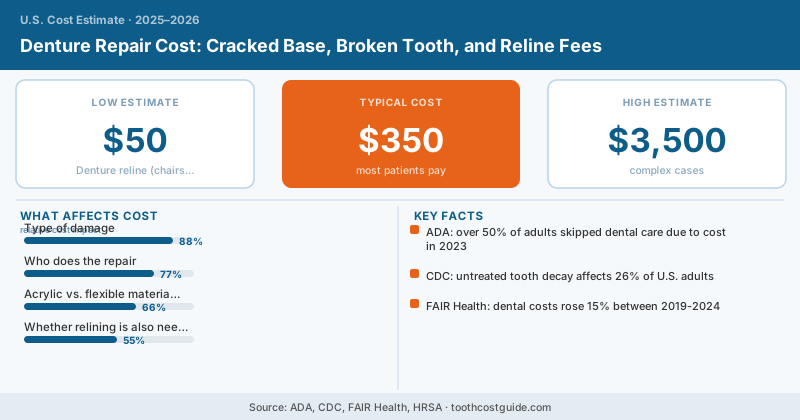
Type of damage: A clean break in one spot is the cheapest repair. A shattered plate with multiple pieces — or damage to the bite surface — requires more reconstruction and lab time.
Who does the repair: Your dentist sends the denture to an outside dental lab, takes a markup, and charges $150–$300 for a base repair. A prosthodontist (a specialist in denture work) may charge more but brings specialized expertise. Standalone denture repair shops and mail-in services handle the lab work directly and charge less — $75–$150 for the same repair.
Acrylic vs. flexible material: Standard acrylic (the most common denture material) is straightforward to repair. Flexible partial dentures made from materials like Valplast or TCS are harder to repair — not all labs can work with them, and repairs cost more.
Whether relining is also needed: If your denture broke partly because it no longer fits well (rocking and flexing under bite pressure), repair without relining is temporary. Adding a reline to a repair appointment increases cost but may prevent another break.
The Most Common Repair: Cracked Base
Dropping dentures is the leading cause of damage. Acrylic denture bases are durable under bite forces but brittle under impact. A drop from counter height onto a tile floor often produces a clean midline crack.
A single clean crack in a relatively new denture costs $100–$200 to repair. The lab joins the pieces with fresh acrylic and polishes the repair. Done correctly, the repaired denture is nearly as strong as the original.
A denture broken into three or more pieces — or one with an old repair site that re-cracked — is harder to restore predictably. Expect $200–$300+ and an honest conversation with your dentist about whether you’re approaching the end of this denture’s useful life.
If your denture breaks, collect every fragment before calling your dentist. Labs can work with pieces you’d think were too small to matter. Losing a piece means the lab has to fabricate replacement material and guess at the original geometry — that increases both cost and the chance the repaired fit is slightly off. Wrap the pieces in a moist paper towel and bring them all.
Denture Relining vs. Repairing
A reline isn’t the same as a repair. Relining means adding new material to the interior surface of the denture to improve its fit against your gums — which change shape as bone resorbs over time.
The American College of Prosthodontists estimates that 35–45 million Americans wear dentures, and the bone underlying dentures shrinks at a rate of about 1mm per year after tooth loss. A denture that fit perfectly when made becomes loose and ill-fitting over 2–3 years without relining.
Two types of relines:
Chairside (soft) reline: Done in-office in about an hour. A cushioning material is applied to the fitting surface. Comfortable, but the soft material degrades within 1–2 years and must be redone. Cost: $200–$500.
Laboratory (hard) reline: The denture is sent to a lab, where new hard acrylic is processed against a new impression of your mouth. Lasts 3–5 years. Cost: $300–$600.
If your denture doesn’t fit well and you’ve had it 2+ years, a reline often makes more sense than waiting for it to break or cause sore spots.
When Mail-In Repair Services Make Sense
Services like Affordable Denture Repair (mail-in) and local denture-repair-only shops can handle straightforward repairs at 30–50% less than going through your dentist. This makes sense when:
- The repair is simple (single crack, single tooth)
- You know your denture fits well and just needs the damage fixed
- You don’t currently have a dental provider
It doesn’t make sense when:
- Your denture has fit issues that contributed to the break
- You haven’t had an oral health check-up recently (an unchecked lesion under a denture can go undetected)
- The damage is complex
Does Insurance Cover Denture Repair?
It depends on your plan. Most PPO plans cover denture replacement every 5–10 years under major restorative. Repairs are less consistently covered — some plans include them under a “repair and reline” benefit, others don’t.
Check your schedule of benefits for CDT codes:
- D5510/D5520: Repair broken complete/partial denture base
- D5630/D5640: Repair or replace broken clasp
- D5710/D5711: Rebase complete denture
If you have a Medicare Advantage plan with dental, coverage for denture repairs varies by plan and is worth checking specifically.
Don’t wait to address a broken or ill-fitting denture. Dentures that rock or don’t fit properly put uneven pressure on the underlying bone and soft tissue — accelerating bone loss and causing sore spots that can become serious over time. A denture that breaks once in the same spot is likely to break again in the same spot if the underlying fit problem isn’t corrected. Fix the fit, not just the fracture.
Frequently Asked Questions
Home repair kits exist and cost $5–$20, but they're a short-term fix at best. The adhesives in DIY kits aren't designed for oral use long-term and can distort the fit if applied improperly. More importantly, a cracked or poorly fitting denture can cause sore spots and injury to the underlying tissues. Temporary home repair is fine for a night before you see your dentist — it's not a permanent solution. Using super glue or household adhesives on dentures is a bad idea; the chemicals are not biocompatible.
Simple repairs — a broken tooth, a crack in the base — are often done in 1–2 hours at an in-office dental lab or same-day denture repair service. More complex work, like adding a tooth or a complete reline, typically requires overnight or 24 hours in a full-service dental lab. Some prosthodontist offices and dedicated denture centers offer same-day service for common repairs.
If your dentures are 7–10 years old, have been repaired multiple times, or no longer fit well even after relining, replacement is usually the better investment. The American College of Prosthodontists recommends replacing dentures every 5–10 years as the underlying bone continues to change shape. Repeated repairs on old dentures become a game of diminishing returns — you're spending $150–$300 at a time on something that will need replacement anyway.