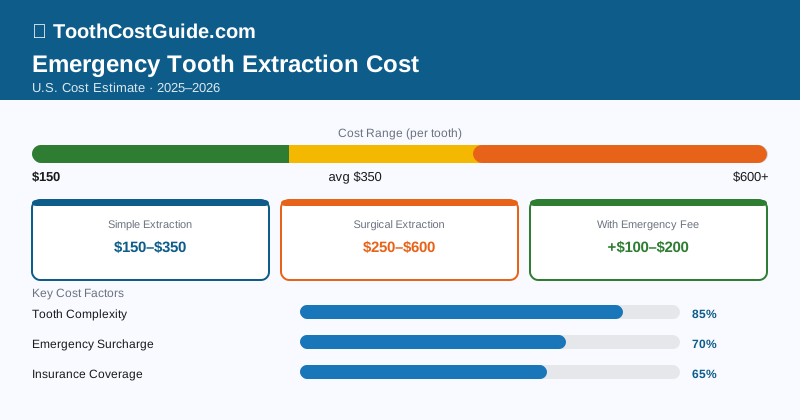
Same-day tooth extractions cost more than scheduled ones — that’s just how dental pricing works. A simple emergency extraction runs $150–$300 plus an emergency exam fee of $50–$150. A surgical extraction — for a broken, impacted, or complex tooth — runs $300–$800 before the exam charge. Total out of pocket without insurance: $200–$800 depending on what the tooth requires. With insurance, most patients pay $75–$250.
| Extraction Type | Standard Cost | Emergency Surcharge | Total (No Insurance) |
|---|---|---|---|
| Simple extraction (erupted tooth) | $150–$300 | $50–$150 | $200–$450 |
| Surgical extraction (broken/complex) | $300–$600 | $50–$150 | $350–$750 |
| Impacted wisdom tooth (soft tissue) | $300–$450 | $50–$150 | $350–$600 |
| Impacted wisdom tooth (bony) | $400–$600 | $50–$150 | $450–$750 |
| IV sedation (optional, oral surgeon) | $300–$800 | — | Added to above |
| Post-extraction socket graft (optional) | $300–$800 | — | Added to above |
What Determines the Final Number
Simple vs. surgical. A simple extraction is a fully erupted tooth with intact roots, removed in one piece with forceps. Surgical means the tooth is broken below the gum line, impacted, or has curved roots that need to be sectioned before removal. Surgical extractions take longer and cost noticeably more.
The emergency exam fee. Same-day urgent appointments almost always carry a separate exam charge ($50–$150). Some offices waive it if you proceed with the extraction on the same visit; others add it regardless. Ask upfront.
After-hours and weekend care. Extractions outside normal business hours typically carry surcharges of $100–$300 beyond the standard fee. A Saturday evening extraction at an emergency dental office will cost more than a Tuesday morning one.
Who does it. General dentists handle most urgent extractions at lower fees. Oral and maxillofacial surgeons (OMS) charge 20–40% more but are required for complex impacted teeth, patients on blood thinners, or cases needing IV sedation. If your general dentist refers you to a surgeon, expect the bill to go up.
Where you are. Urban dentists charge 30–50% more than small-town ones. The same straightforward extraction might run $450 in New York City and $200 in rural Kansas.
Sedation Options and What They Add
Local anesthesia only ($150–$600 total): Lidocaine injections make the extraction pain-free. You’ll feel pressure, not pain. This is the default for most emergency extractions and the most cost-effective approach.
Nitrous oxide + local ($200–$750): Laughing gas reduces anxiety without major cost increase. It wears off within minutes — you can drive yourself home. Worth asking about if dental anxiety is a factor.
Oral sedation + local ($300–$900): A prescription sedative taken before the appointment creates a drowsy, relaxed state. You’ll need someone to drive you. Requires a prescription at a separate cost.
IV sedation at oral surgeon ($500–$1,400 total): Required for complex multi-tooth extractions or severe anxiety. Highest cost option — but sometimes the only option that makes a difficult extraction workable.
Insurance Coverage
Extractions are among the better-covered dental procedures:
- Simple extraction: 75–90% covered by most PPO plans
- Surgical/complex extraction: 60–80% covered
- Impacted wisdom tooth: 60–80% under oral surgery benefits
- Emergency exam: 80–100% under diagnostic benefits
Example with insurance: Emergency exam ($100) plus simple extraction ($250). Insurance covers 80% of the exam ($80) and 75% of the extraction ($187). Patient pays about $83 total.
Without insurance: That same visit runs $350. A dental discount plan or GoodRx coupon reduces it to $200–$270. Many offices give uninsured patients a 10–20% cash discount — you just have to ask.
When You’re in Pain Right Now
Call multiple dental offices — same-day availability varies a lot, and your third call might say yes when your first two couldn’t fit you. When you call, describe symptoms specifically: pain level, whether you have swelling, fever, and how long it’s been severe. This helps triage urgency and gets you slotted appropriately.
Ask about the emergency fee structure upfront so you know what you’re walking into.
While you wait for your appointment: ibuprofen 400–600 mg every 6 hours and acetaminophen 500–1,000 mg every 6 hours can be taken together safely in adults. Cold compress on the outside of the jaw — 15 minutes on, 15 off. If IV sedation might be needed, skip food and water.
Getting the Cost Down
Ask if the exam fee is bundled. Some offices include the emergency visit cost in the extraction fee for same-day patients. Ask directly: “Is the emergency exam fee included if I have the extraction done today?”
Go to a general dentist first for uncomplicated cases rather than heading straight to an oral surgeon. General dentists charge less and can handle most urgent extractions.
Dental schools. Dental school oral surgery clinics do urgent extractions at 40–60% off private practice rates. Most have same-day or next-day urgent slots.
Community health centers. FQHCs see urgent dental patients on sliding-scale fees. Free or near-free for qualifying income levels.
Don’t go to the ER for the extraction. ERs bill $1,500–$3,000 for the visit and almost never perform extractions. They’ll prescribe pain medication and send you to a dentist. You’ll pay ER costs plus dental costs. Get to a dentist directly when you can.
If you have fever, swelling, difficulty swallowing or breathing, or swelling spreading to the neck in addition to tooth pain, go to an emergency room before seeing a dentist. These are signs of a spreading infection that could become life-threatening. The ER can stabilize you and arrange surgical care.
Emergency tooth extraction totals $200–$750 out of pocket without insurance, including the exam. With insurance, most patients pay $50–$200. Simple extractions by a general dentist are the most affordable route. Act the same day when pain is severe — delay increases both suffering and cost.
Frequently Asked Questions
A simple emergency extraction costs $150–$300 plus an emergency exam fee of $50–$150, totaling $200–$450. Surgical extraction for complex or impacted teeth runs $300–$800 plus the exam fee, bringing your total out-of-pocket cost to $350–$950 depending on tooth complexity.
Most dental insurance plans cover 80% of surgical extractions and 50–80% of simple extractions after you meet your deductible. With insurance, most patients pay $75–$250 out of pocket; however, many plans exclude or limit coverage for emergency visits, so check your policy's emergency clause and any applicable waiting periods.
Yes, many emergency dental offices offer same-day extractions, but you'll pay an additional emergency fee of $50–$150 on top of the extraction cost. Same-day service is typically available for simple extractions; complex surgical cases may require scheduling within 24–48 hours depending on the dentist's availability and your tooth's condition.