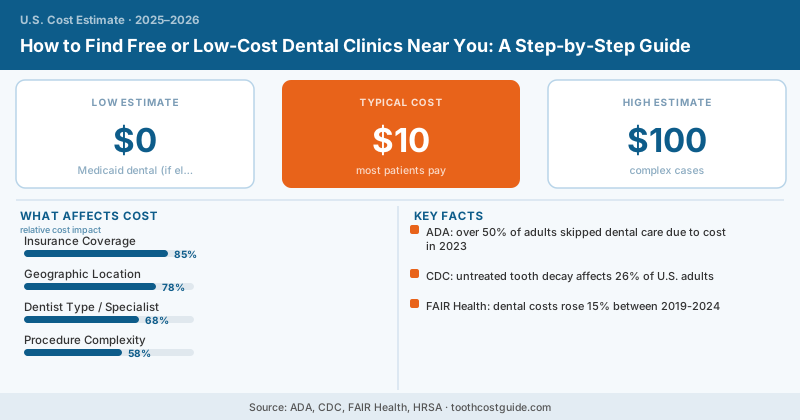
1 in 4 U.S. adults has untreated tooth decay right now, according to CDC data — and cost is the reason for most of it, not lack of awareness. If a dentist’s fee schedule is what’s standing between you and treatment, there are real, functioning options below the full-price rate, and most people don’t know where to start looking.
Here’s a step-by-step path to finding legitimate low-cost or free dental care, in order of where to check first.
| Resource | Typical Cost | Best For |
|---|---|---|
| Federally Qualified Health Center (FQHC) | Sliding scale, often $20–$100 | Ongoing care, all income levels |
| Dental school clinic | 40–60% below private rates | Non-emergency, willing to wait |
| Free clinic / volunteer dental day | Free | Basic exams, extractions, cleanings |
| State dental association charity events | Free (1-2 days/year, first-come) | Uninsured adults |
| Medicaid dental (if eligible) | $0–$20 copay | Children always; adults vary by state |
Step 1: Check HRSA-Funded Health Centers First
The Health Resources and Services Administration funds more than 1,400 community health centers across the country, and most include dental services on a sliding fee scale based on your household income — sometimes as low as $20-$50 for a visit regardless of the actual procedure cost. Find one at findahealthcenter.hrsa.gov by entering your ZIP code. These centers cannot turn you away for inability to pay, by federal requirement.
Step 2: Look Up Dental School Clinics
If you have a dental school within driving distance, their clinics offer treatment performed by supervised dental students or residents at 40-60% below private practice fees. The tradeoff is time — appointments run longer because every step gets checked by a supervising faculty dentist — but the clinical outcomes are closely monitored and often excellent. The American Dental Education Association maintains a list of accredited dental schools, most of which operate public clinics.
Step 3: Search for Local and State Charity Dental Events
Many state dental associations run annual “Missions of Mercy” or similar charity dental days, offering free care — extractions, fillings, cleanings — to uninsured adults on a first-come, first-served basis. These events are typically announced weeks in advance through the state dental association website and local news. Lines can form the night before for popular locations, so watch announcements closely if this is your best option.
Bring photo ID, proof of income (recent pay stubs, tax return, or a benefits award letter) for sliding-scale eligibility, and a list of any medications you take. If you have any dental insurance at all, bring the card — even minimal coverage can reduce your sliding-scale fee further at many centers.
Step 4: Check Medicaid and CHIP Eligibility
Dental coverage under Medicaid is mandatory for children in every state, and it’s expanded for adults in a growing number of states in recent years, though benefits still vary significantly by state — some cover only emergency extractions, others cover cleanings, fillings, and even dentures. Check your state’s Medicaid website or call 211 to confirm your state’s specific adult dental benefit.
Step 5: Call 211 for Same-Day Emergency Situations
If you’re in pain right now and can’t wait for a scheduled sliding-scale appointment, dial 211. This free, confidential helpline connects callers to local emergency dental funds, vouchers, and same-day community resources that aren’t always listed publicly online. Many counties maintain small emergency dental funds specifically for uninsured residents in acute pain.
What to Watch Out For
Not every “discount dental” offer online is legitimate. Be cautious of dental discount card companies that require signup fees before showing you any participating dentists, and always verify a clinic’s status by calling directly rather than relying solely on a third-party directory that may be outdated.
Don’t let a facial abscess, spreading swelling, or difficulty breathing wait for a sliding-scale appointment slot. These are emergencies — go to an emergency room immediately, and worry about the bill and any financial assistance application afterward. Hospitals are required to provide emergency stabilizing care regardless of ability to pay.
The Bottom Line
Cost shouldn’t mean going without care entirely — federally funded health centers, dental schools, and charity events form a real, if sometimes slower, safety net across most of the country. Start with HRSA’s clinic finder tool, check your state Medicaid dental benefit, and keep 211 in your phone for true emergencies. The system isn’t perfect, but it exists, and most people who need it never look.
Frequently Asked Questions
Search the HRSA Find a Health Center tool at findahealthcenter.hrsa.gov, which lists federally funded community health centers offering sliding-scale dental care based on income. Also check your state dental association's website for volunteer clinic listings and local dental school clinics.
Yes — federally qualified health centers and dental school clinics are staffed by licensed dentists or closely supervised dental students and residents, following the same clinical standards as private practices. The trade-off is typically longer wait times and less flexible scheduling, not lower quality care.
Call 211 (the national community resource helpline) or your local health department first — many areas have same-day emergency dental funds or vouchers for uninsured patients in pain. Community health centers also rarely turn away true dental emergencies regardless of ability to pay.