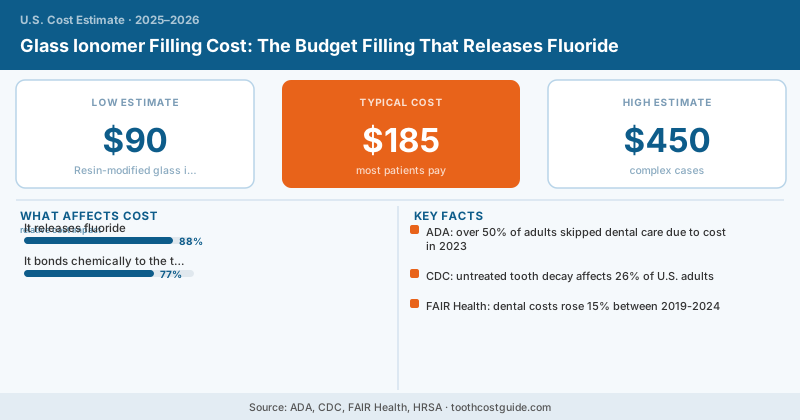
A filling that fights cavities while it sits in your tooth? That’s the pitch for glass ionomer. It slowly releases fluoride into the surrounding tooth, which can help fend off new decay — a trick neither composite nor amalgam can do. It’s also usually the cheapest tooth-colored filling. The catch is it’s not as tough, so dentists pick their spots. Here’s what it costs and where it belongs.
Glass Ionomer Filling Costs at a Glance
| Filling Type | Cost (No Insurance) |
|---|---|
| Glass ionomer (1 surface) | $90–$200 |
| Glass ionomer (multi-surface) | $150–$300 |
| Resin-modified glass ionomer | $120–$250 |
| Composite (tooth-colored) for comparison | $150–$450 |
| Amalgam (silver) for comparison | $100–$300 |
Glass ionomer often comes in at the low end of tooth-colored options — frequently cheaper than a composite filling of the same size. The CDC reports about 90% of adults 20–64 have had cavities in their permanent teeth, so fillings are routine work, and glass ionomer is one of the more affordable tooth-colored choices.
What Makes Glass Ionomer Different
Glass ionomer is a mix of glass powder and an acidic liquid that sets into a tooth-colored material. Two features set it apart:
It releases fluoride. Over time it leaches fluoride into the adjacent tooth, which may help resist further decay at the margins. For high-cavity-risk patients, that’s a real advantage.
It bonds chemically to the tooth. It sticks to tooth structure without the elaborate bonding steps composite needs, which makes it quick to place and useful where moisture control is tricky.
The downside is wear resistance. Glass ionomer is softer and more brittle than composite, so it doesn’t hold up well to heavy chewing forces on biting surfaces.
Dentists tend to use glass ionomer for: small fillings below the gumline or on root surfaces, baby teeth (it’s gentle and releases fluoride), temporary fillings, areas hard to keep dry during placement, and high-cavity-risk patients who benefit from the fluoride. It’s less ideal for large fillings on the chewing surfaces of back molars, where composite or amalgam holds up better. Ask your dentist whether your specific cavity is a good match.
Glass Ionomer vs Composite vs Amalgam
Each material has a sweet spot:
- Glass ionomer — Cheapest tooth-colored option, releases fluoride, bonds easily, but wears faster. Best for non-biting surfaces and high-risk patients.
- Composite — Tooth-colored, strong, versatile, costs a bit more. The all-around standard for visible and load-bearing fillings.
- Amalgam — Silver, very durable, inexpensive, but not tooth-colored. Still solid for hidden back teeth.
For a tooth-colored filling on a front tooth or a small cavity on a root surface, glass ionomer can be the smart budget pick. For a big chewing-surface cavity on a molar, composite or amalgam usually lasts longer.
Does Insurance Cover It?
Most dental plans cover basic fillings at 70–80% after the deductible, and glass ionomer falls under standard restorative coverage. Because it’s often cheaper than composite, your out-of-pocket share is usually small. Watch for “alternate benefit” clauses — some plans pay only the amalgam rate on back teeth and bill you the difference if you choose tooth-colored. See how dental insurance works for the details.
How to Pay Less
A single glass ionomer filling is already one of the cheaper procedures in dentistry, but you can trim further. Dental school clinics place fillings under supervision at 40–60% below private fees. Catch cavities early — a small filling now beats a crown or root canal later. Uninsured patients can use a dental savings plan to knock 10–30% off, or finance bigger work through CareCredit.
Don’t let cost alone push you toward glass ionomer on a heavy-chewing back tooth — if it wears out fast, you’ll pay to redo it, erasing the savings. Match the material to the location, and ask your dentist to put the recommended material and the reason in writing on your itemized treatment plan.
Bottom Line
A glass ionomer filling costs $90–$250, usually less than a comparable composite, and it’s the only common filling that releases fluoride to help fight new decay. That makes it a great budget choice for root-surface cavities, baby teeth, and high-cavity-risk patients. It’s just not the toughest material, so for big chewing-surface fillings, composite or amalgam holds up better. Match the material to the cavity, lean on insurance and dental schools to lower the bill, and treat small cavities early before they grow into a filling you can’t afford to ignore.
Frequently Asked Questions
A glass ionomer filling typically costs $90–$250 per tooth, making it one of the most affordable tooth-colored filling options available. The exact price depends on tooth location, filling size, and your dentist's local fees, with back teeth generally costing more than front teeth.
Most dental insurance plans cover glass ionomer fillings at 80% after your deductible, since they're considered a standard restorative material. Your out-of-pocket cost typically ranges from $18–$50 per filling after insurance, though coverage varies by plan—contact your insurer to confirm.
Glass ionomer fillings typically last 5–10 years, which is shorter than composite fillings (7–15 years), because the material is softer and more prone to wear on chewing surfaces. Dentists often use glass ionomer on low-stress areas like front teeth or below the gum line where longevity is less critical.