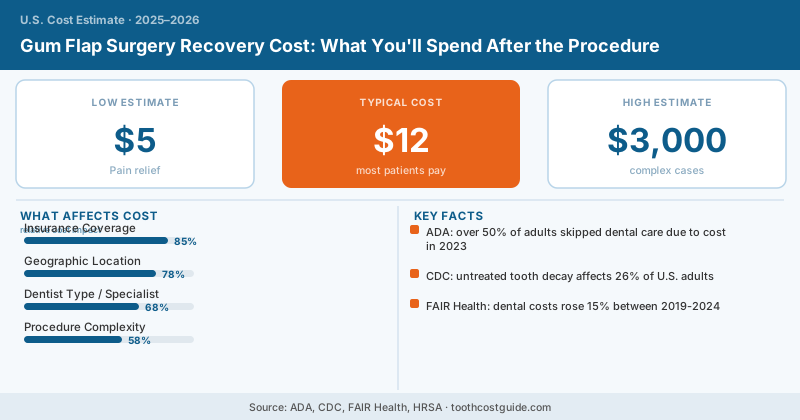
Most people budget for gum flap surgery itself and forget the part that comes after. The recovery phase carries its own costs — $50–$400 in follow-up visits, medications, and cleanings on top of the $400–$3,000 surgery, depending on how many teeth were treated. Skipping the aftercare is how a successful surgery quietly fails.
Gum flap surgery, also called periodontal flap surgery, lifts the gum away from the teeth so a periodontist can clean deep below the gumline and treat advanced gum disease. The surgery is the headline. Recovery is the fine print that decides whether it works.
The Recovery-Phase Costs
| Recovery Item | Detail | Cost |
|---|---|---|
| Post-op follow-up visit | Suture check / removal | $50–$150 |
| Prescription meds | Antibiotics, rinse | $15–$80 |
| Pain relief | OTC ibuprofen | $5–$20 |
| Periodontal maintenance cleaning | Every 3–4 months | $150–$300 each |
| Surgery itself (for reference) | Per quadrant | $400–$3,000 |
The CDC reports that nearly half of US adults aged 30 and older have some form of periodontitis, and rates climb sharply with age — which is why flap surgery and its ongoing maintenance are so common. The ADA classifies periodontal maintenance as a distinct, recurring service precisely because gum disease needs lifelong management after surgery.
The Recovery Timeline
The first 48 hours involve swelling and soreness, managed with OTC pain relief and a soft diet. Sutures often come out at a follow-up around 7 to 14 days. Full tissue healing takes several weeks. The big ongoing cost is periodontal maintenance — deeper cleanings every 3 to 4 months instead of the standard twice-a-year visit.
Periodontal maintenance cleanings ($150–$300 each, three to four times a year) are the real long-term expense after flap surgery. They’re not optional — they keep the disease from returning and the surgery from being wasted. Factor an extra $450–$1,200 a year into your budget going forward, not just the one-time surgery fee.
Protecting Your Investment
A successful dental flap surgery outcome depends almost entirely on what you do afterward: gentle brushing, the prescribed rinse, no smoking, and showing up for maintenance. Patients who skip the cleanings often see pockets re-deepen within a year and end up needing surgery again.
Smoking dramatically slows gum healing and raises the odds the surgery fails. The CDC links smoking to significantly higher rates of severe gum disease. If you’ve invested in flap surgery, the recovery period is the worst possible time to keep smoking — you’re literally undermining what you paid for.
Does Insurance Cover Recovery?
Many plans cover the surgery and follow-up at 50% to 80%, but periodontal maintenance cleanings can hit your annual maximum fast when they’re billed three or four times a year. Knowing how dental insurance works helps you plan around that recurring cost rather than getting blindsided.
Keeping Recovery Affordable
No insurance? A dental savings plan discounts both surgery and maintenance cleanings by 15% to 25% with no waiting period — handy given how often those cleanings recur. For the surgery itself, CareCredit spreads the cost over interest-free months.
Bottom Line
Gum flap surgery recovery isn’t free, and the maintenance cleanings are forever. Budget for the follow-up visits, the meds, and especially the recurring deep cleanings — that ongoing care is what makes the surgery worth it. Treating gum disease early also helps you avoid the tooth extraction that advanced, untreated periodontitis eventually forces.
Frequently Asked Questions
Recovery costs typically range from $50–$400 depending on the number of follow-up visits, prescribed medications, and professional cleanings needed after your procedure. This is separate from the initial surgery cost of $400–$3,000 and should be factored into your total out-of-pocket budget.
Most dental insurance plans cover 50–80% of periodontal surgery itself if medically necessary, but follow-up care coverage varies widely by plan. You should contact your insurer before surgery to confirm which recovery visits, medications, and cleanings are covered versus what you'll pay out-of-pocket.
Most patients need 2–3 weeks of restricted activity, with full healing taking 6–8 weeks, though timelines vary based on the extent of treatment and number of teeth involved. Your periodontist will schedule follow-up visits at 1–2 weeks, 4 weeks, and 8 weeks post-surgery to monitor healing and manage any complications.