Most patients don’t notice gum recession until a dentist says their roots are exposed. By that point, 15–20% of adults have some degree of recession — a figure the AAP has consistently reported in periodontal prevalence studies. What you do about it depends on severity, and increasingly, on whether your periodontist offers the Pinhole Surgical Technique as an alternative to traditional grafting.
The Two Main Approaches to Gum Recession
Traditional gum grafting involves harvesting tissue from your palate (or using a donor graft), cutting the gum at the recession site, suturing the new tissue in place, and waiting several weeks for healing. It’s effective, well-documented, and has decades of clinical data behind it.
The Pinhole Surgical Technique (PST), developed by Dr. John Chao, takes a different approach. The periodontist makes a small pinhole in the gum above the recession, loosens the gum tissue through that hole with specially designed instruments, then slides the tissue down to cover the exposed root. No donor tissue. No large incisions. Collagen strips are placed through the pinhole to stabilize the repositioned tissue.
Pinhole vs. Gum Graft: Cost Comparison
| Procedure | Cost Per Tooth | Cost Per Arch |
|---|---|---|
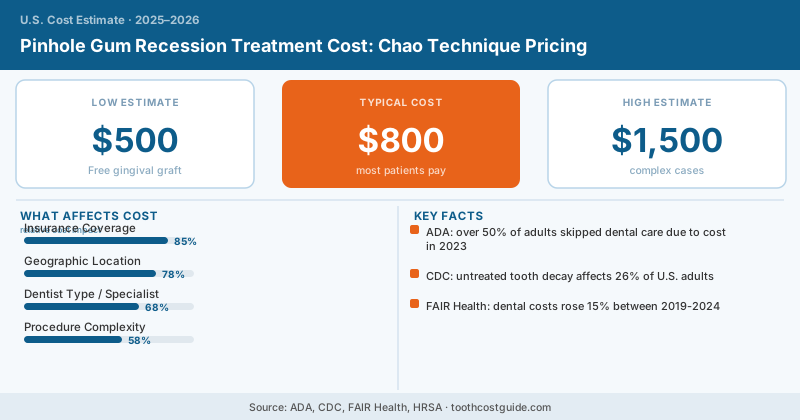
| Pinhole Surgical Technique (PST) | $800–$1,500 | $1,000–$3,000 |
| Connective tissue graft (traditional) | $600–$1,200 per tooth | $2,400–$6,000+ for multiple teeth |
| Free gingival graft | $500–$1,100 per tooth | $2,000–$5,500+ for multiple teeth |
| Alloderm (donor tissue graft) | $700–$1,500 per tooth | $2,800–$6,000+ for multiple teeth |
The per-tooth cost for PST is often higher than traditional grafting. The per-session cost is where PST can be more economical — an experienced PST provider can treat 6–14 teeth in a single appointment, while traditional grafting typically treats 1–3 teeth per session. If you have widespread recession, that math matters.
Why the PST Price Range Is So Wide
Several factors drive PST pricing:
- Provider experience: PST-certified periodontists in major metro areas charge premium rates. Early in a provider’s PST learning curve, some charge lower fees.
- Number of teeth treated: Most practices quote per-arch or per-treatment-session rather than per-tooth.
- Geographic market: Prices in Manhattan and San Francisco run significantly higher than in Tennessee or Texas.
- Whether collagen is included: Some providers charge separately for the collagen strips used for stabilization.
PST works best for thin, mild-to-moderate recession where adequate gum tissue exists to be repositioned. Severe recession (especially where the attached gingiva is very thin or absent), recession from active gum disease, or sites that need significant tissue volume added may still require traditional grafting. Your periodontist needs to examine your recession pattern and tissue thickness before quoting PST.
Insurance Coverage
Here’s the practical reality: most insurers don’t have a specific code for PST. Periodontists typically submit it under existing periodontal grafting codes (D4270, D4273, D4275). If your plan covers traditional gum grafting — and many PPO plans cover it at 50–80% after the deductible — it will likely cover PST submitted under those codes at the same rate.
That said, some carriers have begun denying PST claims as “experimental,” particularly if you have a more restrictive plan. Get a predetermination before scheduling. Submit X-rays, periodontal charting, and the specific procedure codes your provider plans to use.
Medicare doesn’t cover gum grafting or PST. Medicaid dental coverage for adults varies sharply by state — most adult Medicaid programs don’t include periodontal grafting.
Recovery Differences: This Is Where PST Wins
Traditional gum grafting typically involves:
- A palate harvest wound that’s sore for 2–3 weeks
- A recovery period with significant dietary restrictions
- Sutures at both sites that need to stay dry and undisturbed
- Multiple appointments if treating multiple teeth across sessions
PST recovery:
- No palate wound (no donor tissue taken)
- Most patients return to normal activity within 24–48 hours
- Soft-food diet for about a week
- The pinhole heals quickly — usually within a day or two
For patients who’ve been putting off gum grafting due to the recovery, PST’s faster return to normal life can be the deciding factor.
PST doesn’t treat the underlying cause of recession. If your recession resulted from gum disease, aggressive brushing, or a bite issue — those problems need to be addressed, or recession will return regardless of which grafting technique is used. Ask your periodontist for a root-cause assessment alongside the treatment quote.
Bottom Line
Pinhole gum recession treatment costs $1,000–$3,000 per arch and typically allows a single appointment to address widespread recession — a meaningful advantage over traditional grafting’s per-tooth-per-session approach. It’s not right for every patient, but for those with mild-to-moderate recession across multiple teeth, PST can deliver comparable clinical results with significantly faster recovery. Insurance coverage is possible under standard grafting codes with proper documentation and predetermination.
Frequently Asked Questions
Pinhole surgical technique (Chao Technique) typically costs $1,000–$3,000 per arch, making it comparable to or slightly less expensive than traditional gum grafting in many cases. The final cost depends on the number of teeth treated, the severity of recession, and your periodontist's experience level with the procedure.
Many dental insurance plans classify pinhole surgery as a periodontal procedure and may cover 50–80% after your deductible is met, though coverage varies significantly by plan. You should expect to pay $200–$1,500 out-of-pocket depending on your specific coverage limits and whether your plan considers it medically necessary versus cosmetic.
Pinhole technique recovery is significantly faster, typically 1–2 weeks before normal function returns, compared to 2–4 weeks for traditional graft surgery. Most patients experience minimal discomfort and can return to soft foods within a few days of the pinhole procedure.