Most patients assume the newest retainer technology is automatically the best one. Not always true. The Hawley retainer — a design essentially unchanged since the 1920s, using a wire across the front teeth and a molded acrylic plate against the roof of the mouth or behind the lower teeth — remains a top choice among orthodontists precisely because of what it can do that newer clear retainers can’t.
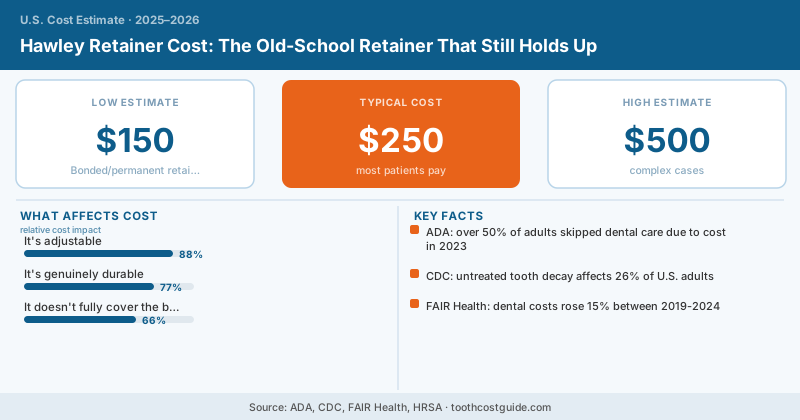
A Hawley retainer costs $200-$500 per arch, often bundled into the total orthodontic treatment fee for the first set.
| Retainer Type | Typical Cost (Per Arch) | Adjustable? |
|---|---|---|
| Hawley retainer (wire and acrylic) | $200–$500 | Yes |
| Essix retainer (clear plastic) | $150–$400 | No |
| Bonded/permanent retainer | $150–$350 | No (fixed in place) |
| Replacement Hawley retainer | $150–$400 | Yes |
Why This Nearly 100-Year-Old Design Still Gets Prescribed
It’s adjustable. This is Hawley’s single biggest practical advantage. If teeth shift slightly — a common occurrence even with consistent retainer wear — an orthodontist can bend or adjust the wire component to correct minor relapse, sometimes avoiding a full remake or additional orthodontic treatment. A clear Essix retainer offers no such flexibility; if it no longer fits due to shifting, it typically needs full replacement.
It’s genuinely durable. The acrylic plate and metal wire construction generally outlasts thin clear plastic, with many Hawley retainers remaining functional for 5-10 years given reasonable care, versus 1-2 years for a typical Essix.
It doesn’t fully cover the biting surface, which some patients find more comfortable for extended daily wear and which allows more natural saliva flow around the teeth compared to a full-coverage clear tray.
Where Hawley Loses to Newer Options
Visibility. The wire across the front teeth is noticeably visible when talking or smiling, which is why many patients — especially those who completed treatment with clear aligners — prefer to start with Essix or a bonded retainer initially, even if they transition to Hawley later.
Speech adjustment period. The acrylic plate against the palate can affect speech, particularly certain consonant sounds, more noticeably in the first week or two of wear compared to a thinner clear retainer.
Many orthodontists recommend an Essix or bonded retainer for the first several months post-treatment when relapse risk is highest and full coverage matters most, then transition to a Hawley for the long-term maintenance phase once teeth have stabilized. Ask specifically whether your treatment plan includes this staged approach or a single retainer type for the entire retention period.
What Drives the Price Within Hawley Retainers
Material quality of the acrylic base — some labs use higher-grade acrylic that resists discoloration and cracking longer, priced slightly higher than basic options.
Custom color or design options. Many labs now offer customizable acrylic colors or patterns for the palate/lower plate — a popular option particularly with younger patients — sometimes adding a modest fee over the standard clear or pink acrylic.
In-office fabrication vs. outsourced lab work. Some orthodontic practices fabricate simple Hawley retainers in-house, which can reduce turnaround time and sometimes cost compared to sending impressions to an external dental lab.
Caring for a Hawley Retainer
- Clean daily with a soft toothbrush and mild soap or a dedicated retainer cleaner — avoid toothpaste, which can scratch the acrylic surface
- Never use hot water, which can warp the acrylic component permanently
- Keep it in its case when not worn — pets are a surprisingly common cause of destroyed retainers left on nightstands or in napkins
- Bring it to regular orthodontic checkups so the wire and acrylic fit can be verified and adjusted as needed
A Hawley retainer that feels tight or won’t seat fully after a period of inconsistent wear may indicate teeth have already shifted. Don’t force it into place — see your orthodontist, since forcing a poorly fitting retainer can cause additional unwanted tooth movement or damage to the appliance itself.
The Bottom Line
The Hawley retainer’s $200-$500 per-arch cost buys a nearly century-old design that remains relevant specifically because of its durability and adjustability — advantages clear retainers still can’t fully replicate. For long-term retention, especially years after treatment when minor adjustments might be needed, Hawley remains one of the most practical choices available.
Frequently Asked Questions
A Hawley retainer typically costs $200–$500 per arch, often included in the total cost of orthodontic treatment for the first set. Replacement Hawley retainers, needed less frequently than Essix retainers due to their more durable construction, usually cost $150–$400 each.
Hawley retainers remain widely used, particularly by orthodontists who value their durability, adjustability, and long lifespan — often 5–10 years compared to 1–2 years for a clear Essix retainer. Many orthodontists recommend Essix or a bonded retainer for the initial months after treatment, then transition patients to a Hawley for long-term maintenance.
Yes, this is one of Hawley's biggest advantages over clear retainers — the acrylic and wire design allows an orthodontist to make minor adjustments to correct small amounts of relapse, something a rigid clear Essix retainer typically cannot accommodate without a full remake.