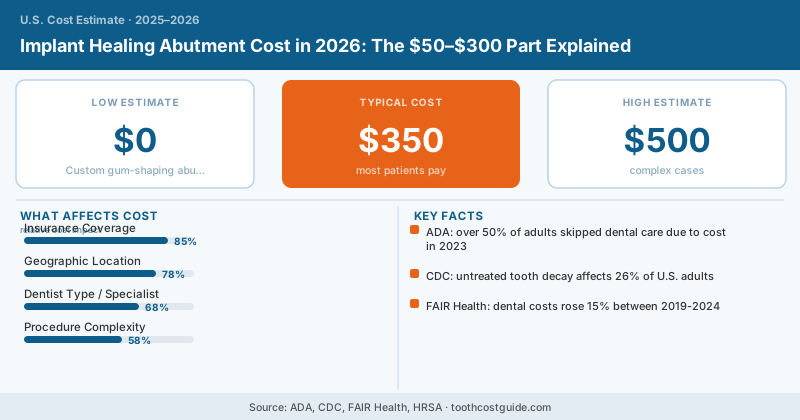
What does a healing abutment actually cost? Somewhere between $50 and $300 — and on a lot of implant treatment plans, it’s quietly folded into a bigger fee you won’t see itemized. Knowing what it is keeps you from getting charged twice for the same little metal cap.
A healing abutment (sometimes called a healing cap or gingival former) is a small piece that screws onto your implant after it’s integrated. Its only job is to shape the gum tissue into the right contour before your permanent crown goes on.
Healing Abutment Pricing
| Item | Typical Cost |
|---|---|
| Healing abutment (the part itself) | $50–$300 |
| Placement appointment | $0–$200 (often bundled) |
| Custom gum-shaping abutment (complex case) | $200–$500 |
| Replacement if lost or loosened | $75–$250 |
In the big picture of dental implant cost, this is a minor line item. The reason it matters is billing clarity, not budget impact.
What It Does and When It Goes In
After your implant fuses to the bone, the surgeon swaps the buried cover screw (or the original healing cap) for a healing abutment that sticks up through the gum. Over the next two to four weeks, your gum heals around it, forming the natural-looking collar of tissue your final crown will emerge from.
If you had a two-stage implant, the healing abutment goes in right after the second-stage uncovering surgery. If you had a one-stage implant, it was placed at the original surgery and you may never see a separate charge.
The healing abutment is temporary — it shapes your gum, then gets removed and replaced by the final (permanent) abutment that holds your crown. Don’t confuse the two. Some treatment plans bundle the healing abutment into the implant fee; others itemize it. Ask which, so you’re not surprised by a $200 line you thought was already paid.
Healing Abutment vs Permanent Abutment
This trips people up constantly. There are two different abutments in an implant:
Healing abutment — temporary, shapes the gum, removed before the crown.
Final/permanent abutment — the connector that actually supports your crown. This is the pricier one, covered in implant abutment and crown cost, running several hundred dollars on its own.
When a clinic quotes “the abutment,” clarify which they mean. The healing abutment is cheap; the final abutment is not.
Don’t ignore a loose or lost healing abutment. If it falls out, gum tissue can quickly grow over the implant opening, sometimes requiring a minor re-uncovering to expose it again. Call your dentist the same day if it comes loose — a quick reseating beats another small surgery.
Why Some Cases Cost More
A standard stock healing abutment is inexpensive. But in the front of the mouth, where gum aesthetics matter, your dentist may use a custom or anatomically contoured healing abutment to sculpt a natural emergence profile. That customization runs $200–$500 and is genuinely worth it for visible teeth.
Does Insurance Cover It?
Usually it’s wrapped into the implant or restorative codes rather than billed alone, so it rarely shows up as its own insurance claim. Understanding how dental insurance works helps you read your explanation of benefits — but for most patients this part is too small to fight over.
Avoiding Double Charges
- Ask whether the healing abutment is included in your implant fee.
- Get the plan itemized so you can see each abutment listed once.
- Confirm the final abutment is separate — that’s the one to budget for.
- Keep your healing-stage appointments so the gum shapes correctly the first time.
Bottom Line
A healing abutment costs $50–$300, sometimes more for custom front-tooth cases — but it’s often bundled into your overall implant fee. Its job is purely to shape your gum before the permanent crown. The smart move is simply asking your dentist whether it’s itemized or included, so this tiny part doesn’t turn into a surprise charge.
Frequently Asked Questions
A healing abutment typically costs $50 to $300 as a standalone charge, though many dental offices bundle it into the implant restoration fee so you never see it itemized separately. If your treatment plan lists implant placement and restoration without a separate line item for the healing abutment, that cost is likely already included in the total quoted price.
Most dental insurance plans do not cover healing abutments as a separate benefit since they are considered part of the implant restoration process, which many plans classify as a cosmetic procedure with limited or no coverage. You should verify with your specific insurance provider, as some plans cover 50% of implant-related costs after meeting your deductible, which may include the abutment fee.
The healing abutment is placed after your implant has integrated into the jawbone, typically 3 to 6 months after implant insertion, and remains on for 2 to 8 weeks while your gum tissue shapes itself around it. Once the gum has properly formed, your dentist removes the healing abutment and replaces it with the permanent crown abutment.