Sarah took her daughter for her first dental visit at age 3 because that’s when her own childhood dentist visits had started. The pediatric dentist found two cavities already developing — and mentioned that the ADA has recommended the first dental visit at age 1 since 2008.
That three-year delay is typical. Most American parents don’t know how early dental disease can begin — and how preventable early childhood caries is when caught before a toddler’s molars are already compromised.
When Should the First Visit Happen?
The American Academy of Pediatric Dentistry (AAPD) and the ADA both recommend the first dental visit by the child’s first birthday, or within 6 months of the first tooth erupting — whichever comes first.
Most children get their first tooth around 6 months. That puts the recommended first visit at 12 months, 18 months at the latest.
Why so early? Because early childhood caries — once called “baby bottle tooth decay” — can devastate primary teeth starting at 12–18 months. Primary (baby) teeth matter enormously: they hold space for permanent teeth, allow proper chewing, affect speech development, and decay in baby teeth can cause pain and infection that affects quality of life and nutrition significantly.
A 2016 CDC report found that 23% of children ages 2–5 have had cavities in their primary teeth. By ages 6–11, that number rises to 52%. These aren’t small numbers — and most of this decay is preventable.
What Happens at a First Visit
A toddler’s first appointment is short — 30 to 45 minutes — and designed to be non-threatening. It’s often called a “well-baby visit” for teeth.
For a 12–24 month old, expect:
- The dentist examines teeth and gums, often with the child sitting on the parent’s lap or lying across from the parent to the dentist’s lap (the “knee-to-knee” position)
- A quick cleaning if there’s visible plaque or surface debris
- Fluoride varnish application — a concentrated fluoride gel painted on tooth surfaces that hardens on contact, significantly reducing cavity risk
- Discussion of feeding habits (bottle use, sippy cups, nursing frequency at night)
- Guidance on eruption timing and what to expect
No X-rays at age 1 in most cases. X-rays typically start at age 2–3 when all primary molars have erupted and interproximal decay can develop between teeth.
The tone is everything. A good pediatric dentist moves slowly, narrates everything (“I’m going to count your teeth — this is my counting stick”), uses non-threatening language (no “needle,” “drill,” “hurt”), and ends with a positive experience. The goal is establishing dentist comfort for the 17-year relationship ahead.
What It Costs
| Service | Cost Without Insurance | With Insurance/CHIP |
|---|---|---|
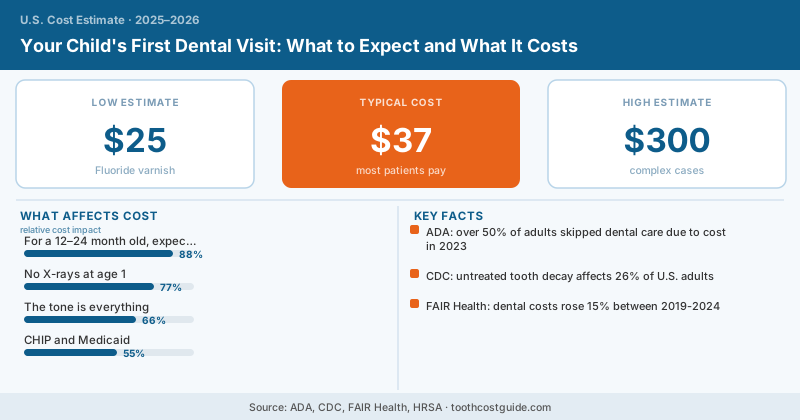
| First exam (D0150/D0120) | $50–$150 | Often $0–$20 copay |
| Prophylaxis cleaning | $60–$100 | Often covered 100% |
| Fluoride varnish | $25–$50 | Often covered 100% |
| Dental X-rays (when appropriate) | $50–$150 for bitewings | Often covered |
| First visit (all-in estimate) | $100–$300 | $0–$40 typical |
CHIP and Medicaid: Under the Children’s Health Insurance Program (CHIP) and Medicaid, dental care for children is covered as an essential benefit. This means preventive dental services — exams, cleanings, fluoride treatments, sealants — are typically free for eligible children. CHIP covers families earning up to 200–300% of the federal poverty level depending on the state.
If you have a child under 18 and your household income is below roughly $50,000–$60,000 (family of four), check your state’s CHIP eligibility. Many pediatric dentists are CHIP providers.
Private insurance: Most dental plans with pediatric coverage pay 100% for preventive care (exams, cleanings, fluoride) with no deductible. First-year exam costs are often zero out-of-pocket.
Finding a Pediatric Dentist
A pediatric dentist (pedodontist) completes 2–3 years of specialty training beyond dental school in child-specific techniques, child psychology, and management of dental anxiety. The office environment is designed for children: bright colors, toys, TVs on the ceiling, and staff trained to explain procedures in age-appropriate language.
Do you need a pediatric dentist specifically? Not necessarily — many general dentists see children comfortably and effectively. But for children with anxiety, developmental needs, or complex cases, a specialist makes a meaningful difference.
Find a AAPD-member pediatric dentist: Use the AAPD’s “Find a Dentist” tool at aapd.org. Or ask your pediatrician — they typically have relationships with local pediatric dentists.
Don’t tell your child it “won’t hurt” — this sets up a betrayal if the fluoride varnish tastes bad or anything feels surprising. Instead: “The dentist will count your teeth and clean them. It might feel a little funny.” Don’t share your own dental anxieties in front of your child — anxiety is contagious. And don’t bribe with sugar as a post-appointment reward. The irony is lost on no one.
The Bottle and Nursing Issue
One of the most important conversations at the first visit is about nighttime feeding habits.
Why it matters: When a child falls asleep with a bottle of milk, formula, or juice — or nurses to sleep and stays latched — the sugar from that liquid pools around their teeth for hours. Saliva flow drops during sleep, eliminating the natural acid buffer. Bacteria ferment that sugar all night. This is the primary cause of “baby bottle tooth decay,” which can devastate all four upper front teeth within months.
The fix is simple:
- Don’t put a child to bed with anything other than water in a bottle
- If nursing at night, wipe the teeth with a damp cloth or infant toothbrush after the last feeding
- Transition away from overnight bottles by 12 months if possible
This single habit change prevents more early childhood dental disease than any product.
The Toothbrushing Timeline
While you’re preparing for the first visit, get the home routine started:
- Before teeth erupt: Wipe gums with a damp cloth daily
- First tooth to age 3: Brush with fluoride toothpaste twice daily, using a smear (rice-sized amount) of fluoride toothpaste
- Ages 3–6: Pea-sized amount of fluoride toothpaste; supervise to ensure spitting
- Ages 6+: Still supervise until around age 8–9 — children don’t have the dexterity for thorough independent brushing before then
Don’t use “training toothpaste” (fluoride-free) if your child can spit reliably — they typically can spit by age 2–3. Fluoride toothpaste is safe at appropriate amounts and provides cavity protection that fluoride-free toothpaste simply doesn’t. The ADA recommends fluoride toothpaste for all children from the first tooth.
The Cost of Waiting
Early childhood caries left untreated requires restorative treatment under general anesthesia in many cases — toddlers can’t hold still for multiple fillings in a standard chair. The cost of a pediatric dental OR visit: $2,000–$5,000 or more, often with significant out-of-pocket costs even with insurance.
Dental sealants at age 6–7 when first permanent molars erupt add another prevention layer — they’re a separate treatment worth discussing at your child’s routine checkups.
A first visit at age 1 that catches early decay and establishes a fluoride varnish routine costs $0–$150. A dental OR case at age 3 costs $2,000–$5,000. The preventive care math is not close.
What to Say to Your Toddler
The most effective preparation: be matter-of-fact and positive. “Tomorrow we’re going to the tooth doctor. She’ll count your teeth and put special vitamins on them to keep them strong.” Children take emotional cues from parents. If you’re anxious, they’ll be anxious.
Bring a favorite small toy or comfort object. Arrive early so you’re not rushed. And know that it’s okay if the first visit is short — getting the child comfortable in the chair is the win. A dentist who reads the room and ends a visit early when a child hits their limit is doing their job well.
Frequently Asked Questions
A first dental visit for a child typically costs $50–$150, though the actual expense depends on what's included (exam, cleaning, X-rays). Many children qualify for free or low-cost visits through Medicaid or CHIP programs, which cover pediatric dental care at little to no out-of-pocket cost.
Yes—both Medicaid and CHIP cover pediatric dental care, including the first visit, often at no cost to you. Coverage typically includes exams, cleanings, and preventive treatments, though you may have a small copay ($0–$5) depending on your state's program.
The American Dental Association recommends scheduling a child's first dental visit by age 1 or within 6 months of the first tooth appearing—not waiting until age 3 or later. Early visits help prevent early childhood caries and allow the dentist to catch decay or developmental issues before they become serious problems.