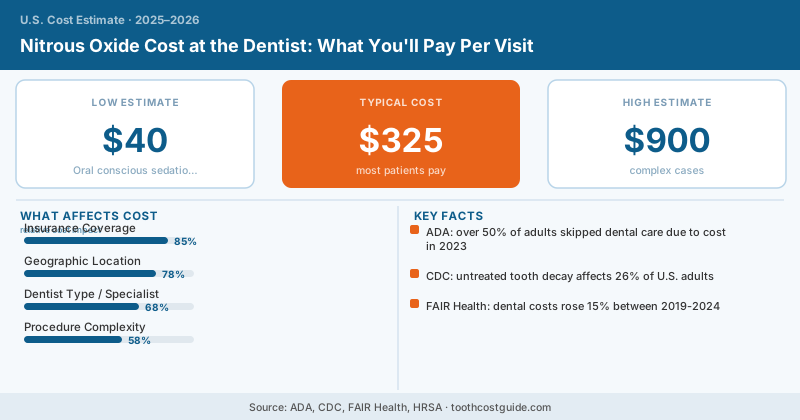
$75. That’s roughly what nitrous oxide adds to a dental appointment at most offices. For context: the CDC reported in 2023 that about 36% of American adults have some level of dental anxiety, and 12% have fear severe enough to delay necessary care. For most of those people, $75 to take the edge off is the cheapest thing on their dental bill. Here’s what it costs and whether it’s worth it for your specific situation.
What Nitrous Oxide Costs Per Visit
| Situation | Typical Cost |
|---|---|
| Nitrous oxide, single visit | $50–$150 |
| Nitrous oxide, child (pediatric) | $40–$100 |
| Oral conscious sedation (comparison) | $150–$500 per visit |
| IV sedation (comparison, per hour) | $500–$900 |
The $50–$150 range reflects how different practices structure the charge. Some offices have a flat fee regardless of appointment length; others charge by time (typically $25–$50 per 15-minute increment for longer procedures). A 90-minute crown preparation under nitrous might cost $100–$150 total — still the cheapest sedation option by a wide margin.
Geographic variation is modest compared to other dental procedures. Nitrous is a commodity gas, and the delivery equipment is standard. You’re far less likely to see the dramatic city-versus-rural price differences that affect implants or cosmetic work.
According to ADA survey data, roughly 70% of general dentist offices offer nitrous oxide, making it by far the most accessible sedation option available.
How It Works and How Fast It Wears Off
Nitrous oxide is inhaled through a small nose mask placed over your nostrils. Within 2–3 minutes, most patients feel a warm, relaxed sensation — some describe tingling in the hands or feet, mild euphoria, or just a general sense of not minding what’s happening. You’re fully conscious, can respond to instructions, and haven’t lost your protective reflexes.
When the dentist removes the mask and switches you to 100% oxygen for 3–5 minutes, the effects clear completely. Unlike oral sedation (which takes 4–6 hours to fully clear) or IV sedation (12–24 hours), nitrous leaves your system fast enough that you can drive yourself home. No one needs to come pick you up. No recovery afternoon lost.
Nitrous is particularly effective for: patients with mild-to-moderate dental anxiety who want to take the edge off without deeper sedation, patients with a strong gag reflex that complicates impressions or x-rays, children who need behavioral management for longer procedures, and anyone getting a longer procedure (multiple fillings, crown prep) who wants to stay relaxed without the recovery time of deeper sedation. It’s less effective for patients with severe anxiety or needle phobia, who may need oral or IV sedation instead.
Does Insurance Cover Nitrous Oxide?
For adults, usually not. Most dental insurance plans classify nitrous oxide for adult patients as an elective comfort measure and exclude it from coverage. The ADA reports that coverage for adult nitrous oxide is among the most frequently excluded optional benefits in commercial dental plans.
The pediatric exception is significant: many plans cover nitrous oxide for children under 13 when it’s deemed necessary for a covered procedure. Medicaid dental programs (including CHIP in most states) also cover nitrous for pediatric patients when documented as necessary for treatment.
To check your specific plan, look for code D9230 (analgesia, anxiolysis, inhalation of nitrous oxide) in your plan’s benefits schedule.
Nitrous oxide should not be used by patients who are pregnant, have certain respiratory conditions (like a severely deviated septum or COPD that affects nasal breathing), or who have a vitamin B12 deficiency. If any of these apply, tell your dental team before they set up the mask — oral sedation may be a safer alternative. Also note: nitrous is contraindicated for patients who have used recreational nitrous in the past 24 hours, as it can interfere with B12 metabolism.
Nitrous vs. Oral Sedation: The Practical Tradeoff
The choice between nitrous and oral sedation often comes down to one question: do you need to drive? If you can arrange a ride, oral sedation ($150–$500) provides deeper relaxation and often results in minimal memory of the procedure. For patients with moderate-to-severe anxiety, the near-complete amnesia of oral sedation may be worth the cost and logistics.
If you need to drive, pick up kids, or return to work the same day, nitrous is the practical choice. It’s not as deeply sedating — but for procedures under two hours, most anxious patients find it more than adequate.
For a full comparison of all sedation options and costs, see our dental sedation cost guide covering all four levels from nitrous to general anesthesia.
Bottom Line
Nitrous oxide costs $50–$150 per dental visit — the most affordable sedation option by far, and the only one that lets you drive home right after. It works best for mild-to-moderate anxiety and longer procedures where you want to stay calm without any recovery time. Insurance rarely covers it for adults, though pediatric coverage is common. At $50–$150 per visit, if you’ve been putting off dental care because of anxiety, this one’s worth asking about.
Frequently Asked Questions
Nitrous oxide typically adds $50–$150 to your dental visit, with an average of around $75 at most U.S. dental offices. The exact cost depends on your location, the dentist's experience level, and how long you need the gas during your procedure.
Most dental insurance plans do not cover nitrous oxide for adult patients, meaning you'll pay the full $50–$150 out of pocket. Some pediatric plans may cover it for children, so it's worth calling your insurance provider to confirm your specific coverage before your appointment.
Nitrous oxide wears off within 5–10 minutes after the dentist turns off the gas and you breathe in pure oxygen, so you can typically drive yourself home and resume normal activities immediately. Unlike sedative medications, laughing gas does not require a recovery period or someone to pick you up from your appointment.