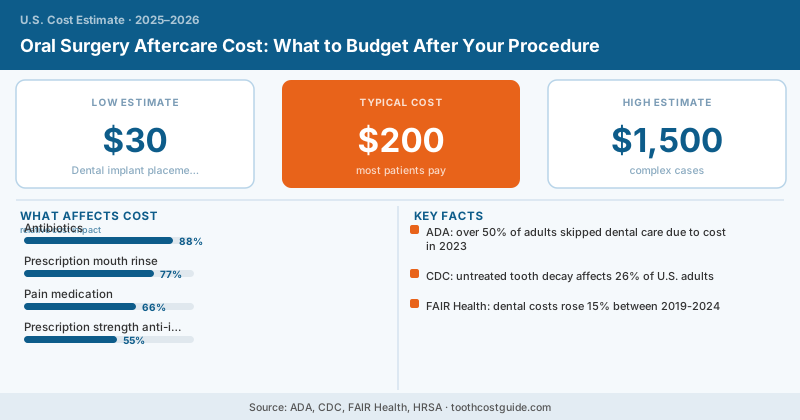
Most patients get a surgery quote, add up the anesthesia, and think they know their total. They don’t. Oral surgery aftercare — prescriptions, follow-up visits, potential complications — adds a real number to the bill. Some of it is predictable. Some of it isn’t.
Here’s what to budget for after common oral surgery procedures, so the recovery doesn’t add financial stress to the physical kind.
Aftercare Costs by Procedure Type
| Procedure | Typical Aftercare Cost Range |
|---|---|
| Single tooth extraction (simple) | $30–$100 |
| Surgical tooth extraction | $80–$200 |
| Wisdom tooth removal (1–4 teeth) | $100–$350 |
| Bone graft | $100–$400 |
| Dental implant placement | $100–$300 |
| Jaw surgery (orthognathic) | $300–$1,500+ |
| Periodontal surgery | $100–$400 |
| Oral biopsy or cyst removal | $75–$200 |
These figures reflect the aftercare costs you’re likely to incur in addition to the quoted procedure price.
What’s Usually Included in Your Surgical Fee
Before calculating what you’ll pay extra, know what most practices include:
- Gauze pads and basic post-op supplies — always included
- Written aftercare instructions — standard
- First follow-up visit (typically 7–14 days post-surgery) — included by most oral surgeons and periodontists
- Suture removal (if non-absorbable stitches were placed) — usually included in the surgical fee
What’s typically NOT included:
- Prescriptions (antibiotics, pain medication, mouth rinse)
- Additional follow-up visits beyond the first
- Treatment for complications (dry socket, infection, wound dehiscence)
- Dietary adjustments (soft food costs)
- Any imaging needed during recovery
Prescription Costs After Oral Surgery
For most common procedures, expect:
Antibiotics — Amoxicillin is the most commonly prescribed. At CVS or Walgreens without insurance: $15–$45 for a 7–10 day course. With GoodRx: often $5–$12 for generic amoxicillin. If you’re penicillin-allergic, clindamycin or azithromycin runs $20–$60 generic.
Prescription mouth rinse (chlorhexidine 0.12%) — $10–$25 for a 16oz bottle. Many patients are prescribed this for 1–2 weeks post-surgery.
Pain medication — Most oral surgeons prescribe ibuprofen 600–800mg (Rx strength) or a short course of an opioid (hydrocodone, oxycodone). Generic ibuprofen: $5–$15 at any pharmacy. Prescription opioids: $20–$60 without insurance, often $0–$15 with coverage.
Prescription strength anti-inflammatories (Medrol dose pack, dexamethasone): sometimes used to reduce post-surgical swelling. Cost: $15–$50 generic.
Always run oral surgery prescriptions through GoodRx, RxSaver, or Mark Cuban’s Cost Plus Drugs before filling at retail pharmacy prices. Generic amoxicillin at Cost Plus is sometimes under $4. For common oral surgery prescriptions, you can easily cut your pharmacy bill by 50–70%.
The Most Expensive Complication: Infection
Post-surgical infections are relatively rare — the American Association of Oral and Maxillofacial Surgeons (AAOMS) estimates infection rates under 5% for most elective oral surgical procedures — but they’re expensive when they happen.
A post-surgical infection requiring additional office visits and prescription adjustments can add $200–$500 to your total. In severe cases requiring drainage or hospitalization — think spreading infection from an untreated post-extraction problem — costs can escalate into the thousands.
The simplest prevention: take the full course of antibiotics if prescribed, even if you feel fine after day three. Stopping early is how infections restart. According to the CDC, antibiotic resistance from incomplete courses is a documented clinical concern — finish them.
Bone Graft and Implant Aftercare
These two procedures have higher-than-average aftercare complexity:
Bone graft aftercare: The graft site is covered by a membrane that needs to integrate without being disrupted. You’ll likely be prescribed both an antibiotic and chlorhexidine rinse ($30–$65 combined). Follow-up visits to monitor integration are critical — typically 2–4 visits over 4–6 months, often included in the graft fee but confirm this.
Membrane exposure (the membrane coming through the gum tissue) is the most common bone graft complication. If it happens, you’ll need additional office visits and potentially the membrane removed — budget an extra $100–$300 if this occurs.
Implant placement aftercare: Most oral surgeons include multiple follow-up visits in the implant placement fee. The integration period (osseointegration) takes 3–6 months before a crown can be placed. During this time, budget for:
- Temporary tooth if needed (flipper): $300–$500
- 1–2 follow-up visits (often included, verify with your surgeon)
- No special prescription costs unless complications arise
Jaw Surgery (Orthognathic): The Most Intensive Aftercare
Jaw surgery aftercare is in a different category from other dental procedures. Expect:
- 2–4 weeks of liquid or soft diet (significantly higher grocery costs)
- Multiple follow-up appointments with both the oral surgeon and orthodontist
- Possible wire fixation or elastic bands requiring weekly adjustments
- Post-surgical splint or oral appliance: $0–$200 (often included)
- Physical therapy for jaw mobilization (in some cases): $50–$150/session
- Prescription anti-inflammatories, muscle relaxants, and antibiotics: $50–$150 combined
Total aftercare for orthognathic surgery, excluding follow-up appointments: $300–$800 for the average case. More complex cases requiring additional adjustments or prolonged dietary modification can run $1,000–$1,500 in added costs.
Jaw surgery recovery is measured in months, not days. If your surgeon quotes you a procedure fee but doesn’t walk through the complete post-operative care timeline and cost, ask before you schedule. The total cost of orthognathic surgery is the procedure fee plus orthodontist fees (often $4,000–$7,000) plus aftercare — not just the surgical quote.
Preparing Your Recovery Space (One-Time Costs)
Before your surgery date, budget for these one-time purchases:
- Ice packs: $10–$20 (cold reduces swelling and discomfort significantly for the first 48 hours)
- Oral syringe (for socket irrigation after extraction): $5–$15
- Extra pillows (keeping head elevated reduces swelling): you probably have these
- Soft foods for the recovery period: budget $40–$100 extra per week depending on what you normally eat
- Straw alternative (you can’t use straws after extractions): sippy cups or tilting glasses, $10–$20
Summary: Total Aftercare Budget by Surgery Type
For most single extractions or simple oral surgery: plan an extra $50–$150 beyond the procedure quote.
For wisdom teeth removal (multiple teeth) or bone grafts: budget an extra $150–$350.
For dental implants: aftercare is usually modest ($100–$300) unless complications arise.
For jaw surgery: plan for $500–$1,500 in additional costs beyond the quoted surgical fee, including the dietary, physical therapy, and extended follow-up expenses.
These aren’t hidden costs — they’re predictable, and building them into your budget before surgery day prevents the financial surprise that hits when you’re already uncomfortable and recovering.
Frequently Asked Questions
Post-operative prescriptions typically cost $50–$150 out-of-pocket, including antibiotics, pain relievers, and antimicrobial rinses. Generic options are usually cheaper, and many insurance plans cover antibiotics at a standard copay ($10–$30), but pain medication may not be covered or may require a higher copay depending on your plan.
Most dental insurance plans cover post-operative follow-up visits (usually 1–2 visits within 2 weeks) at your regular copay rate ($25–$75 per visit), but this varies by plan and whether surgery was performed in-network. Complications that require additional visits or extended care may result in out-of-pocket costs if they exceed your annual coverage limits.
Most oral surgery patients can return to soft foods within 3–5 days and resume normal eating within 1–2 weeks, depending on the procedure complexity. Your surgeon will provide specific dietary restrictions during your recovery period, and following these guidelines is critical to avoid complications that could add $200–$600 in unexpected costs.