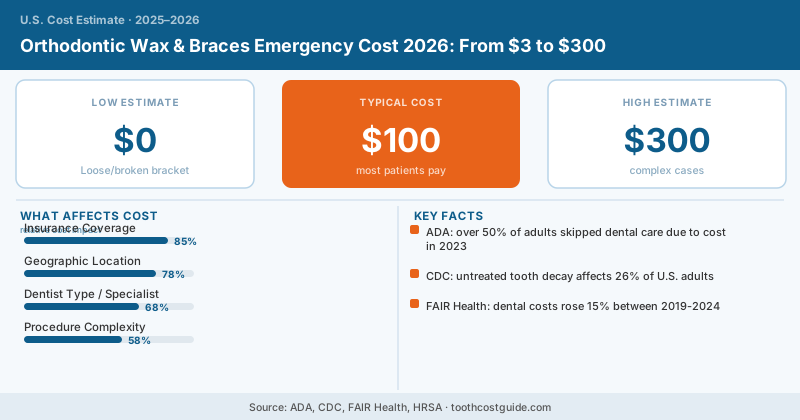
It’s 9 p.m., a bracket just popped loose, and a wire is jabbing your cheek. Do you need an emergency dentist, or can a $4 box of wax get you through to morning? For most braces emergencies, the answer is the wax — and knowing the difference can save you a $50–$300 after-hours visit you didn’t need.
Orthodontic wax is the cheapest insurance in dentistry. A small box costs $3 to $8, and it handles the overwhelming majority of “emergencies,” which are really just minor irritations. The genuine emergencies — the ones that need a chair — are rarer than the panic suggests.
| Braces Problem | Typical Cost to Fix | Urgency |
|---|---|---|
| Orthodontic wax (box) | $3–$8 | DIY, anytime |
| Poking wire (wax + tuck at next visit) | $0–$50 | Low |
| Loose/broken bracket | $50–$150 to re-bond | Moderate |
| Lost/broken appliance | $100–$300 to repair/replace | Moderate |
| After-hours emergency visit | $50–$300 | Only if severe |
What Wax Actually Solves
Most braces “emergencies” are irritation, not damage. A bracket edge or wire end rubs your cheek raw. The fix is dead simple: dry the area, pinch off a small piece of wax, roll it into a ball, and press it over the offending spot. Instant relief, costs pennies, buys you time until your next scheduled visit.
Wax also covers a bracket that’s come loose but is still attached to the wire, and the end of a wire that’s poking after teeth have shifted. None of these need an after-hours call. You tuck them with wax and let your orthodontist handle the real fix at your next adjustment — usually at no charge since it’s part of treatment.
Keep a box of orthodontic wax with you the entire time you’re in braces. It turns most ’emergencies’ into minor inconveniences. A genuine emergency requiring a same-day visit is uncommon — see our broader guidance on knowing when an issue truly needs urgent care.
When It’s Actually an Emergency
A few situations do warrant a call to your orthodontist — though even these rarely need a 2 a.m. ER trip. A bracket that’s fully detached and floating on the wire, a wire that’s come completely out of a tube and you can’t tuck, severe pain that wax doesn’t touch, or trauma to the mouth from a fall or sports injury. Swallowing a piece of appliance is another reason to call (though it’s almost always harmless and passes naturally).
The American Association of Orthodontists has long advised patients that true orthodontic emergencies are infrequent and that most discomfort can be managed at home until a regular appointment. The CDC notes that sports-related dental injuries are a leading cause of genuine oral trauma in young people — which is exactly why a mouthguard is worth its modest cost if your kid plays contact sports in braces.
What the Fixes Cost
A re-bonded bracket runs $50–$150 if your orthodontist charges for breakage (many include a few repairs in the treatment fee; some charge after repeated breaks). A broken appliance — like a palate expander or retainer — costs $100–$300 to repair or remake. A lost dental retainer is its own replacement cost, $150–$500.
The pricey scenario is a true after-hours visit, $50–$300 depending on the practice and timing. The whole point of keeping wax handy is to almost never need that visit.
Insurance and Paying
Most in-treatment repairs are folded into your orthodontic fee, so you won’t see a separate insurance claim. Replacement appliances and retainers may be partial out-of-pocket once you’ve used your ortho benefit (typically a $1,000–$2,500 lifetime cap).
For replacement costs, an FSA for dental expenses covers them as eligible orthodontic care, and a CareCredit dental plan can handle larger appliance repairs if needed.
Don’t try to cut a poking wire yourself with household scissors or trim a bracket — you risk swallowing the piece or cutting your mouth. Tuck it with wax, push a poking wire flat with a clean pencil eraser if needed, and let your orthodontist do the actual repair. DIY ‘fixes’ often turn a $4 problem into a $150 one.
Bottom Line
Orthodontic wax is the single best $4 you’ll spend during braces — it defuses nearly every middle-of-the-night scare. Save the emergency visits for real emergencies: detached brackets you can’t manage, severe pain, or mouth trauma. For everything else, wax, a little patience, and your next routine visit will do the job for free.
Frequently Asked Questions
A small box of orthodontic wax typically costs $3 to $8 and can be purchased at most drugstores or online. This single purchase can handle dozens of common braces irritations, making it one of the most cost-effective solutions for braces-related discomfort.
Most dental insurance plans cover emergency orthodontic visits at 50-80% after your deductible, but many plans classify true emergencies differently than routine adjustments. Out-of-pocket costs for an emergency braces visit typically range from $50 to $300 depending on the issue and whether you see an orthodontist or general dentist.
Orthodontic wax can resolve most common braces emergencies like wire poking, bracket irritation, and minor discomfort by creating a protective barrier between your braces and mouth tissue. However, if a bracket is completely detached, a wire is severely bent, or pain persists after wax application, you should contact your orthodontist within 24-48 hours to prevent treatment delays.