You’re missing three back teeth. Implants would run $12,000 or more. A bridge might not work because the anchoring teeth aren’t strong enough. Your dentist mentions partial dentures — and now you’re suddenly choosing between three different types with confusingly similar names and very different price tags. Let’s sort out what each one actually costs, how long it lasts, and what your insurance will realistically pay.
The Three Types of Partial Dentures and Their Costs
| Type | Cost Range | Expected Lifespan |
|---|---|---|
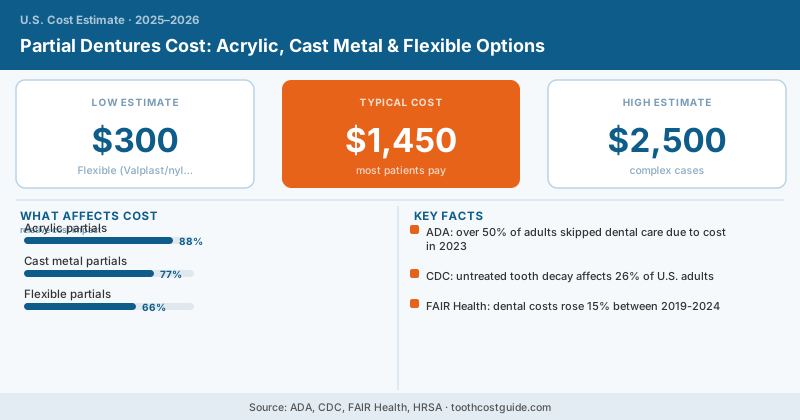
| Acrylic (plastic) partial | $700–$1,800 | 5–7 years |
| Cast metal (chrome-cobalt) partial | $1,200–$2,500 | 10–15 years |
| Flexible (Valplast/nylon) partial | $900–$2,000 | 5–8 years |
| Immediate partial (placed same day as extraction) | Add $300–$500 | Temporary; replaced within 6–12 months |
Acrylic partials are the most affordable entry point. They’re made of pink-tinted plastic with acrylic teeth, held in place by metal clasps. The downsides are real: they’re bulkier, less comfortable, and more prone to breaking than metal or flexible alternatives. Many dentists use them as transitional appliances while waiting for bone to stabilize after extractions.
Cast metal partials — also called chrome-cobalt partials — are the workhorse of partial denture dentistry. A rigid metal framework with precision-fitted clasps makes them more stable and less likely to flex and break. The higher upfront cost pays off over time: a well-maintained cast metal partial can last 10–15 years.
Flexible partials (Valplast is the most recognized brand) have a translucent nylon base that blends with gum tissue — no visible metal clasps. They’re comfortable and aesthetically appealing, but they can’t be relined or repaired as easily as acrylic if your gum tissue changes shape over time. Some prosthodontists are skeptical of their long-term stability.
What Insurance Typically Covers
Most dental insurance plans categorize partials as a major restorative procedure, subject to 50% coinsurance after the deductible — but only after a waiting period of 6–12 months on most plans.
If you’re getting a partial for both arches, stagger them across two calendar years to use two annual maximums. A typical $1,500 annual maximum means each year’s benefit applies to that year’s work. Coordinate with your dentist’s billing team — this is standard practice and perfectly within plan rules.
Insurance typically doesn’t distinguish between acrylic, metal, and flexible — they pay a set amount for “removable partial denture, maxillary” or “mandibular” regardless of material. The cost difference between acrylic and cast metal usually comes out of your pocket regardless of coverage level.
Immediate partials are covered by most plans, but you’ll typically need to replace them with a conventional partial within 6–12 months, and that second appliance may or may not be covered depending on the plan’s replacement frequency rules — usually no replacement benefit within 5–7 years.
A partial denture that isn’t properly fitted puts abnormal stress on the remaining natural teeth used as clasping anchors. If those teeth aren’t healthy, a partial can accelerate their failure. Before investing in a partial, make sure the anchor teeth have been evaluated and treated — your dentist may recommend crowning them first to withstand the clasping force.
Maintenance Costs to Budget For
Partials aren’t a one-time expense. The ADA recommends relining every 2–5 years as your gum tissue and underlying bone naturally shift. Budget for:
- Relining ($200–$500 every 2–5 years): As your gum and bone change shape, the partial needs to be refitted. Cast metal can be relined; flexible partials often can’t.
- Repairs ($100–$350): Broken clasps, cracked teeth, cracked base — all repairable chairside or at the lab.
- Replacement ($700–$2,500 depending on type): Eventually the whole appliance needs full replacement.
For patients missing many teeth, also compare the total cost of a partial denture over 10–15 years versus investing in implants or an implant-supported partial. The long-term gap isn’t always as large as it first appears. See our guide on dental implant cost for that comparison.
If you’re exploring full dentures instead, our dentures cost guide covers complete denture pricing across all material types.
Bottom Line
Partial dentures range from $700 for a basic acrylic unit to $2,500 for a precision cast metal framework. Cast metal costs more upfront but lasts roughly twice as long — the math often favors metal for anyone who’ll wear the partial for 10 or more years. Insurance usually covers 50% after a waiting period, subject to an annual maximum. Budget for periodic relining and repairs on top of the initial cost.