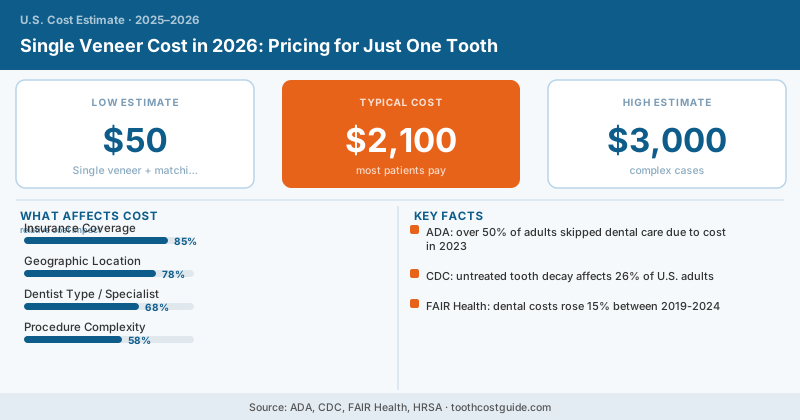
You don’t need a full set. If one front tooth is chipped, discolored, or oddly shaped, a single veneer fixes just that tooth — and you pay for one, not ten. A single porcelain veneer costs $900 to $2,500, while a composite version runs $300 to $600. But here’s the catch nobody warns you about: matching one veneer to the teeth around it is actually harder than doing a full set. Let me explain why, and how to get it right.
| Single Veneer Option | Typical Cost |
|---|---|
| Single composite veneer | $300–$600 |
| Single porcelain veneer | $900–$2,500 |
| Single Emax veneer | $1,300–$2,500 |
| Single veneer + matching whitening first | $1,200–$3,000 total |
| Temporary veneer (during fabrication) | $50–$150 |
| Single veneer replacement | $900–$2,500 |
Why One Veneer Costs More Per Tooth Than a Set
When a dentist does eight veneers at once, they design all of them to match each other — the shade, shape, and translucency are a coordinated set. With a single veneer, the dentist has to match the new tooth to your existing natural teeth, which have their own unique color, texture, and slight imperfections. That’s a tougher technical job. A single front-tooth veneer that’s even slightly off in shade stands out immediately.
That difficulty is why a skilled ceramist and an experienced cosmetic dentist matter even more for one tooth than for a full smile.
A single veneer is the right call when one tooth is the problem and the rest of your smile already looks good. But if your other teeth are stained or worn, matching a bright new veneer to dull neighbors looks worse than doing nothing. In that case, whiten or treat the others first.
The Whitening Trap
Here’s the most common single-veneer mistake. You whiten your teeth, then get a veneer matched to the bright new shade. Great — except whitening fades over months while the veneer stays put. A year later your natural teeth have dulled and the veneer looks too white. Or worse: you get the veneer first, then whiten, and now the veneer won’t lighten and looks dark.
The fix is sequencing. Always finish teeth whitening and let the shade stabilize for about two weeks before the veneer is matched and bonded. Porcelain can’t be bleached after placement.
When Bonding Beats a Veneer
For a small chip or minor shape issue on one tooth, dental bonding at $300–$600 often looks just as good as a porcelain veneer at a fraction of the cost — and it removes little or no enamel. For deep discoloration, a tooth that’s structurally weak, or a result you want to last 10+ years, porcelain wins. The American Dental Association notes that conservative options should generally be considered before irreversible ones, and bonding is the more conservative choice.
If the tooth is badly damaged or root-canal-treated and discolored, a dental crown may be more appropriate than a veneer.
Does Insurance Help?
A single veneer placed purely for looks isn’t covered. But if that one tooth is being veneered because it’s chipped from trauma or worn from a bite issue, the restorative angle might get partial coverage. Ask your dentist how they’ll code it.
Saving Money
Try bonding first. For minor issues, bonding is reversible and cheap — a low-risk test before committing to porcelain.
Match before you whiten — in the right order. Whitening first prevents a mismatch that would otherwise force a redo.
Use pre-tax dollars if eligible. An FSA can cover restorative portions of the work.
Finance if needed. Even one porcelain veneer can sting at $2,500 — CareCredit offers 0% promotional windows at most dental offices.
Don’t over-treat. You don’t need a smile makeover for one tooth. Fix the tooth that’s bothering you and stop there.
Ask your dentist to use a custom shade-matching photo sent to the lab, not just a standard shade guide. A good ceramist works from photos of your actual adjacent teeth — including their subtle color variation and surface texture — so the single veneer disappears into your smile instead of announcing itself.
A single porcelain veneer permanently removes enamel from one tooth, committing it to being covered for life. Make sure the problem genuinely needs a veneer rather than bonding, confirm the shade-matching plan in writing, and see examples of single-tooth veneer cases the dentist has done — single-tooth matching is the truest test of a cosmetic dentist’s skill.
Frequently Asked Questions
A single porcelain veneer costs $900 to $2,500, while a composite veneer runs $300 to $600. Porcelain is more durable and stain-resistant, which explains the higher price tag.
Most dental insurance plans classify veneers as cosmetic and do not cover them, leaving you responsible for the full $300–$2,500 cost out-of-pocket. Some plans may offer partial coverage if the veneer is medically necessary to restore a damaged tooth, so check your policy before scheduling.
Matching one veneer to surrounding teeth is harder than doing a full set because your dentist must shade and shape it to blend seamlessly with existing teeth that may have natural color variation and wear patterns. A full set allows the dentist to create uniform color and appearance across all visible teeth, making the job easier.