In 2010, getting implant-supported dentures meant spending $25,000–$40,000 and waiting six months. Today? A two-implant lower overdenture can be done for $6,000–$12,000 at many practices, with same-day delivery in some protocols. Implant technology and technique have evolved dramatically — but so has the marketing, and sorting legitimate price variation from oversimplified advertising requires understanding what you’re actually comparing.
The Core Difference: Stability Without Adhesive
A conventional denture rests on gum tissue and depends on suction, adhesive, or both to stay in place. Implant overdentures snap onto or clip to 2–6 implants placed in the jawbone. The denture remains removable — you still take it out for cleaning — but it doesn’t move during eating or speaking.
This distinction matters most for lower dentures. Upper dentures have a larger palate base and tend to stay put acceptably for many patients. Lower dentures are notorious for poor stability; implant retention transforms the lower-denture experience more dramatically than the upper.
Cost by Implant Overdenture Type
| Overdenture Type | Cost Per Arch | Key Characteristics |
|---|---|---|
| 2-implant lower overdenture (locator attachments) | $6,000–$12,000 | Minimum viable support; moves some under load |
| 4-implant overdenture (locator or ball attachments) | $12,000–$20,000 | Better stability; allows upper arch use |
| Bar-retained overdenture (4–6 implants) | $15,000–$28,000 | Maximum stability; custom milled bar; least movement |
| All-on-4 (fixed hybrid, not removable) | $20,000–$30,000 per arch | Not an overdenture; permanently fixed arch |
| Conventional denture (no implants) | $1,200–$2,500 | Removable; adhesive dependent; no implants |
Note: “All-on-4” is often marketed alongside overdentures but is a different category — it’s a fixed prosthesis that doesn’t come out. It’s included above for comparison purposes only.
What Drives the Cost Difference
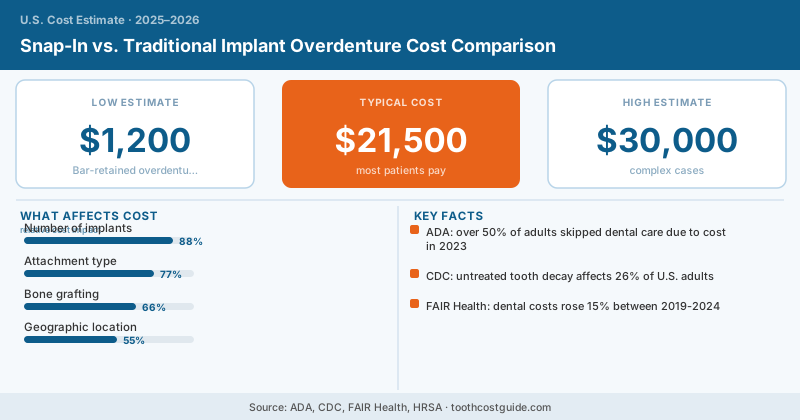
Number of implants: Two implants per arch is the minimum for overdenture retention. More implants distribute load better, reduce implant stress, and increase stability. Four implants support a bar-retained design where the denture clips to a custom-machined metal bar rather than individual attachments — the most stable removable option.
Attachment type: Locator attachments (small nylon caps in the denture base) are the most common for 2–4 implant systems. Ball attachments and bar systems cost more in lab fees but offer greater stability. Locator caps wear out and need replacement every 1–2 years ($75–$200 per set).
Bone grafting: If you’ve been missing teeth for years, bone resorption may require grafting ($300–$800 per site) before implant placement. This isn’t optional — implants placed in insufficient bone fail.
Geographic location: Practices in high-cost metro areas charge 30–50% more than rural and secondary-market practices for identical procedures.
In 2002, an international panel of dental experts reached what’s known as the McGill Consensus Statement: implant-retained overdentures should be the minimum standard of care for edentulous patients with lower dentures who can afford it. The evidence was that strong. For lower-arch denture wearers specifically, even a 2-implant solution significantly improves quality of life, chewing function, and confidence. The ADA and the American College of Prosthodontists have echoed this position.
Insurance Coverage for Implant Overdentures
Insurance coverage for implant-supported dentures is inconsistent and improving slowly. What most plans do:
- Cover the denture prosthesis itself at the standard denture benefit level (often 50%, with a lifetime maximum)
- Exclude implant placement as a separate surgical cost (treated as a non-covered service by most dental plans)
- Some employer-sponsored plans and newer ACA plans include implant benefits — check your specific Summary of Benefits
If you have medical insurance and severe bone resorption causing chewing dysfunction or nutritional compromise, some medical carriers have covered implant costs as functional oral rehabilitation — a harder case to make but worth attempting with proper documentation.
Financing and Alternatives
Given costs of $6,000–$28,000, most patients use financing:
- CareCredit and LendingClub: 12–24 months 0% interest promotions are common
- Dental school prosthodontic programs: Often 40–60% lower fees with supervised resident care
- Mini dental implants: Smaller diameter implants at $500–$1,000 each can support overdentures at lower upfront cost — though longevity evidence in fully edentulous patients is less robust than standard implants
“Implant dentures” sold at cut-rate pricing sometimes use a single arch-spanning implant bar placed through a small opening — not individual implants. Or they may include only 2 mini implants marketed as equivalent to 4 standard implants. Read the treatment plan carefully and confirm the number, diameter, and brand of implants being placed before signing anything.
Bottom Line
A 2-implant lower overdenture at $6,000–$12,000 is the most accessible entry point into implant-supported dentures and provides a dramatically better experience than a conventional lower denture. Four-implant and bar-retained systems at $12,000–$28,000 deliver greater stability but require more investment. Insurance covers the denture component at standard rates; implant placement is usually out-of-pocket. For lower-arch denture wearers specifically, the clinical and quality-of-life case for implant retention is exceptionally strong.
Frequently Asked Questions
A two-implant lower overdenture typically costs $6,000–$12,000 at most US dental practices, making it significantly more affordable than traditional full-arch implant solutions. Some practices now offer same-day delivery protocols, whereas older techniques required six months of treatment time.
Most traditional dental insurance plans classify implant overdentures as cosmetic or major restorative work, covering only 0–50% of costs after meeting your deductible—typically resulting in $3,000–$8,000 out-of-pocket expense for a 2-implant case. Coverage varies significantly by plan, so verify your specific policy exclusions and annual maximums before treatment.
A 2-implant overdenture uses two implants placed in the lower arch and costs $6,000–$12,000, while a 4-implant design provides greater stability and retention, typically costing $15,000–$25,000. The 4-implant option is often recommended for patients needing maximum chewing force and denture security, whereas the 2-implant version works well for those prioritizing cost savings and adequate function.