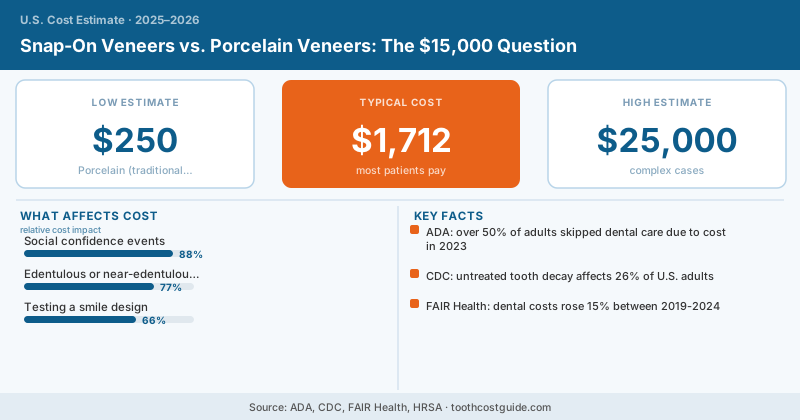
A full set of 8–10 porcelain veneers runs $7,000–$25,000. Snap-on veneers cost $300–$1,500. That gap raises an obvious question: are they remotely comparable?
The honest answer is no — but that doesn’t automatically make snap-on veneers useless. They serve a specific, legitimate purpose for a specific type of patient. The problem is that the marketing around them almost never explains who that patient actually is.
What Snap-On Veneers Actually Are
Snap-on veneers (sold under brand names like Snap-On Smile, Instasmile, and others) are thin, removable plastic or resin shells that fit over your existing teeth like a tray. They’re made from dental-grade resin — the same general material category as denture acrylic — and are designed to be worn like a removable cosmetic overlay.
They’re not bonded to your teeth. You take them out to eat most foods, to sleep, and for cleaning. They’re not a dental procedure — you typically order them from impressions you take at home with a kit the company mails you, or occasionally through a participating dental office.
| Veneer Type | Cost Range |
|---|---|
| Snap-on veneers (DIY mail-order) | $300–$600 per arch |
| Snap-on veneers (through dental office) | $750–$1,500 per arch |
| Composite (direct bond) veneers | $250–$600 per tooth |
| Porcelain (traditional) veneers | $925–$2,500 per tooth |
| Lumineers (no-prep porcelain) | $700–$2,000 per tooth |
| Full porcelain smile makeover (8–10 teeth) | $7,000–$25,000 |
Who Snap-On Veneers Actually Work For
The marketing shows dramatic smile transformations. The reality is more limited. Snap-on veneers genuinely help in these situations:
Social confidence events. A wedding, reunion, or professional headshot where you want the appearance of a transformed smile temporarily. You wear them for the event, remove them for dinner, done.
Edentulous or near-edentulous patients. People missing most or all teeth who want a cosmetic improvement without committing to dentures or implants yet. Some dental professionals use cosmetic snap-ons as a stopgap.
Testing a smile design. Before committing to permanent porcelain veneers, some patients use snap-ons to preview what a different tooth shape or shade would look like. It’s a low-cost visualization tool.
Snap-on veneers should NOT be worn while eating anything hard or chewy — they can crack or dislodge. Many users report difficulty speaking naturally with them in. They’re also not a substitute for dental treatment: if you have cavities, gum disease, or bite issues, snap-on veneers do nothing to address those underlying problems and can sometimes mask symptoms that should be treated.
What Snap-On Veneers Won’t Do
They won’t fix a bad bite. They won’t address underlying dental health issues. They won’t feel like real teeth. The resin is noticeably thicker than natural enamel, which is why some users say they feel bulky. And because they’re removable, they’re not there for your meals, which is arguably when your smile matters most socially.
The lifespan is also far shorter: 1–3 years for most snap-on products before they need replacement, versus 10–20 years for quality porcelain veneers.
The Composite Veneer Middle Ground
Between snap-on and porcelain is a genuinely underused option: direct composite veneers. A dentist applies tooth-colored composite resin directly to your teeth and sculpts it chairside in a single appointment, usually without removing any enamel.
Cost: $250–$600 per tooth. For 8 front teeth, that’s $2,000–$4,800 — dramatically less than porcelain, permanently bonded, and covering everyday wear. The tradeoffs: composite stains more easily than porcelain, and it typically lasts 5–7 years before needing replacement or touchup rather than the 10–20-year lifespan of porcelain.
For patients who want a real, permanent smile improvement at a fraction of porcelain costs, composite is often the answer that gets skipped in the conversation.
Before committing to full porcelain veneers, ask your dentist: “Would composite veneers give me 80% of the result at 20–25% of the cost?” For mild discoloration, minor chips, and small gaps, the answer is often yes. Many dentists prefer to suggest the higher-margin porcelain option without raising composite as an alternative.
When Porcelain Veneers Make Sense
Porcelain veneers are a significant investment — but they’re the right one in specific situations:
Severe discoloration that doesn’t respond to whitening. Tetracycline staining, fluorosis, and deep intrinsic staining often can’t be corrected by bleaching. Porcelain covers it entirely and permanently.
Structural issues combined with cosmetic goals. Teeth that are chipped, worn, or slightly misshapen benefit from the added thickness and strength of porcelain. The veneer restores the tooth structurally, not just cosmetically.
Long-term investment in a visible profession. Actors, broadcast journalists, attorneys who appear in court, public speakers — professionals whose smile is literally part of their livelihood. Porcelain’s 15–20-year lifespan and natural appearance justify the cost for career-focused patients.
You’ve already done the math on composite and it won’t hold up. If you drink coffee daily and grind your teeth, composite veneers may need replacement every 3–4 years. Over 15 years, porcelain’s higher upfront cost may actually be cheaper.
The Enamel Removal Question
Traditional porcelain veneers require removing 0.3–0.7mm of enamel to make room for the veneer thickness. This is irreversible — the tooth will always need a veneer covering it. Some no-prep veneers like Lumineers require minimal or no enamel removal but are slightly thicker, which can look less natural on some tooth shapes.
If a dentist recommends veneers on teeth that are already in good condition with no cosmetic issues, get a second opinion. The enamel removal commitment is permanent; it should be made thoughtfully.
Making the Right Choice
| If you want… | Choose… |
|---|---|
| Cheapest option, temporary use | Snap-on veneers ($300–$1,500/arch) |
| Permanent improvement, moderate budget | Composite veneers ($250–$600/tooth) |
| Best long-term result, significant investment | Porcelain veneers ($925–$2,500/tooth) |
The $15,000 question isn’t whether porcelain is “worth it” in absolute terms — it’s whether porcelain is the right tool for your specific situation, or whether composite gets you to 80% of the result at a fraction of the cost. Ask that question explicitly with your dentist before signing anything.
Frequently Asked Questions
Snap-on veneers cost $300–$1,500 per arch (upper or lower teeth), while porcelain veneers cost $925–$2,500 per individual tooth. A full set of 8–10 porcelain veneers typically runs $7,000–$25,000, making snap-on veneers significantly cheaper upfront but with important tradeoffs in durability and appearance.
Most dental insurance plans classify veneers as cosmetic and do not cover them, leaving patients responsible for the full out-of-pocket cost. Some plans may cover a portion of porcelain veneers if they are deemed medically necessary (such as after trauma or to restore function), but snap-on veneers are almost never covered since they are explicitly temporary.
Snap-on veneers are a temporary, removable solution designed for occasional wear and typically last 3–5 years with proper care before needing replacement. Porcelain veneers are a permanent, bonded restoration that last 10–15 years or longer with good oral hygiene, making them the better long-term investment despite the higher upfront cost.