Why does the exact same denture feel comfortable for one person and painful for another? Often, it comes down to what’s underneath the acrylic — a thin, bony ridge with minimal soft tissue padding creates pressure points that a standard hard denture base simply can’t cushion. A soft liner solves that specific problem.
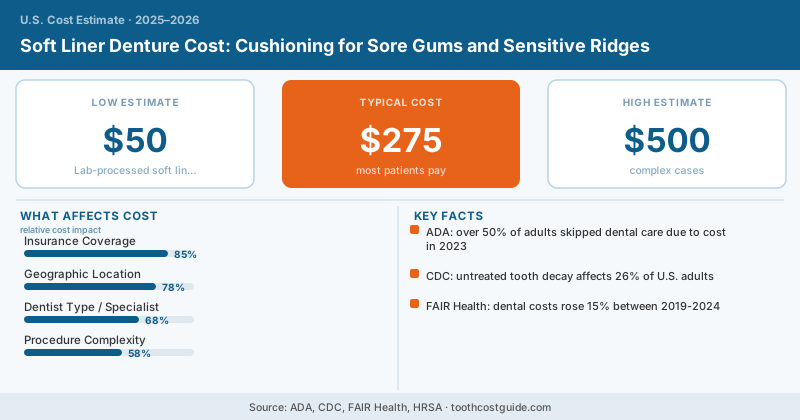
Expect $150-$400 per arch for a professionally applied soft liner, with replacement needed every 6-18 months as the material naturally breaks down.
| Liner Type | Typical Cost | Typical Lifespan |
|---|---|---|
| Temporary/chairside soft liner | $50–$150 | 3–6 months |
| Lab-processed soft liner | $150–$400 | 6–18 months |
| Long-term/permanent soft liner | $250–$500 | 12–24 months |
Why Some Mouths Need Extra Cushioning
Underneath any denture is a layer of gum tissue and bone ridge that the appliance rests on. In most people, this tissue has enough natural padding to distribute chewing forces comfortably against a standard hard acrylic denture base. But in patients with thin gum tissue, a particularly bony or irregular ridge shape (common after significant bone loss), or diabetic patients with slower tissue healing, that same hard base concentrates pressure into specific sore spots rather than spreading it evenly.
A soft liner adds a cushioning layer between the hard denture base and the gum tissue, acting similarly to how an insole cushions a shoe. It absorbs and redistributes chewing pressure across the ridge rather than letting it concentrate on bony high points.
Temporary vs. Long-Term Soft Liners
A chairside soft liner is applied and cured directly in the dental office in a single visit, using a material designed to bond to the existing denture base. It’s the cheaper option and useful for short-term situations — for example, cushioning gums during the first few months after an immediate denture, before the tissue has fully healed and settled.
A lab-processed soft liner is fabricated with more precision and generally uses a more durable silicone or acrylic-based material that resists compression better over time. This is the more common recommendation for patients who need ongoing, long-term cushioning rather than a short healing-period bridge.
A soft liner that’s developed an odor, visible discoloration, a rough or pitted texture, or noticeably reduced cushioning compared to when it was new has likely absorbed bacteria and moisture over time — a normal part of its lifespan, not a sign of poor hygiene. Replacement, not just cleaning, is the fix at that point.
Care Requirements Are Different From Standard Dentures
Soft liner material is more porous than the hard acrylic used in standard denture bases, which means it absorbs bacteria, food particles, and moisture more readily. This requires gentler, more frequent cleaning — avoid abrasive brushing that can damage the softer material, and use cleaning products specifically labeled safe for soft liners, since standard denture cleaning tablets can sometimes degrade the material faster than intended.
When a Soft Liner Isn’t the Right Long-Term Fix
A soft liner treats the symptom — pressure discomfort — but doesn’t address why the ridge shape is creating pressure points in the first place. In some cases, particularly with significant bone loss, a soft liner is a reasonable long-term management tool. In others, it’s a stopgap while a more permanent solution — like an implant-retained overdenture that lifts pressure off the gum tissue entirely — is planned and financed.
If you find yourself needing liner replacements more and more frequently, or if soreness persists even with a fresh liner, talk to your dentist about whether an overdenture or a different prosthetic approach might solve the underlying problem rather than continuing to manage it.
Persistent sore spots under a denture — soft liner or not — that don’t improve after a professional adjustment should be evaluated for other causes, including ill-fitting dentures needing a reline, or in rare cases, a growth or lesion that needs separate attention. Don’t assume a new liner will automatically fix ongoing pain without a proper exam first.
The Bottom Line
A soft liner costs $150-$400 per arch and solves a specific, common problem: pressure discomfort from thin tissue or a bony ridge underneath a hard denture base. It’s not a permanent fix — expect replacement every 6-18 months — but for the right patient, it’s the difference between avoiding wearing dentures and wearing them comfortably every day.
Frequently Asked Questions
A professionally applied soft liner typically costs $150-$400 per arch, depending on whether it's a temporary cushioning liner or a longer-lasting permanent soft liner material, and whether it's done chairside or sent to a dental lab.
Most soft liners last 6-18 months before they need replacement, since the material gradually absorbs bacteria and can become porous or discolored over time, sometimes developing an odor that indicates it's time for a fresh liner.
Soft liners are typically recommended for patients with thin, sensitive gum tissue, a bony or irregular ridge shape that causes pressure points, or those who've had recent extractions and need extra cushioning while healing, as well as denture wearers experiencing chronic sore spots despite good fit.