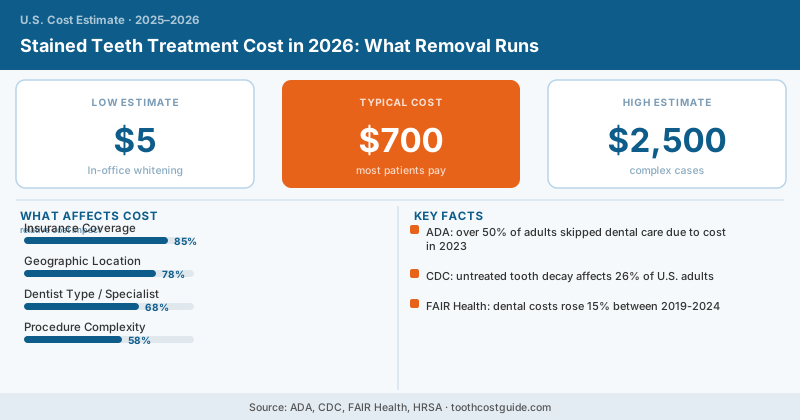
Not all tooth stains are created equal — and that’s the single most important thing to know before you spend a dime. A coffee stain on the surface wipes away with a $100 cleaning. A stain baked into the tooth from medication or aging can resist even professional whitening and need $1,500 veneers. Spend on the wrong fix and you waste money. Here’s how to match the treatment to the stain.
Cost by Stain Type and Treatment
| Treatment | Typical Cost (No Insurance) | Best For |
|---|---|---|
| Professional cleaning | $100–$300 | Surface stains, tartar |
| Whitening toothpaste | $5–$15 | Mild surface stains |
| OTC whitening strips | $20–$60 | Mild–moderate surface stains |
| In-office whitening | $400–$1,000 | Yellow surface/age stains |
| Take-home custom trays | $250–$600 | Surface stains, gradual |
| Dental bonding | $150–$600/tooth | Single deep stain |
| Veneers | $900–$2,500/tooth | Deep/intrinsic stains |
Two Kinds of Stains
Everything hinges on this distinction:
- Extrinsic stains sit on the surface of the enamel — from coffee, tea, red wine, tobacco, and dark foods. These respond beautifully to cleaning and whitening. The cheap fixes work here.
- Intrinsic stains live inside the tooth — from tetracycline antibiotics taken in childhood, too much fluoride (fluorosis), trauma that killed a tooth’s nerve, or aging that thins enamel and reveals the yellow dentin beneath. These resist whitening and often need bonding or veneers to cover.
The American Dental Association recognizes both whitening and restorative cover-ups as legitimate approaches — the right one depends on which stain you’ve got.
If your stains are extrinsic (and most are), start with a $100–$300 professional cleaning. You’d be surprised how much yellowing is actually tartar and surface stain that scaling removes. Then try OTC whitening ($20–$60) before booking $1,000 in-office whitening. Only escalate to bonding or veneers if whitening genuinely can’t touch the stain — that’s the test for intrinsic staining.
When Whitening Is the Answer
For genuine yellowing that’s intrinsic-but-responsive (like age-related), professional teeth whitening is the workhorse. In-office treatment ($400–$1,000) gives the fastest, most dramatic result in one visit. Custom take-home trays ($250–$600) work more gradually but cost less. Both beat drugstore strips for stubborn cases.
One thing worth knowing: whitening doesn’t change the color of crowns, veneers, fillings, or bonding. Those restorations stay the shade they were made. So if you’ve got tooth-colored work on your front teeth and you whiten everything around it, that old filling can suddenly stick out as the darker one. Mention any existing restorations to your dentist before whitening so you’re not surprised by a mismatch afterward.
When Whitening Won’t Work
Here’s where people waste money: bleaching a tooth that physically can’t lighten. A tooth that’s dark from a dead nerve, deep tetracycline banding, or severe fluorosis won’t respond to whitening no matter how many sessions you buy. For those:
- Dental bonding ($150–$600 per tooth) covers a single stained tooth with composite.
- Veneers ($900–$2,500 per tooth) cover deeply stained teeth permanently with porcelain.
A single dark tooth from old trauma is the classic case — sometimes paired with a root canal if the nerve’s involved, followed by internal bleaching or a crown.
Insurance Reality
Cleanings are covered as preventive care (often 80–100%). Whitening, bonding for cosmetic reasons, and veneers are almost always considered cosmetic — meaning insurance won’t pay. That’s the hard truth of stain removal: the medically necessary part (cleaning) is covered; the cosmetic part is on you. Our how dental insurance works guide explains the cosmetic exclusion. Uninsured? A dental savings plan discounts whitening and cleanings.
A single tooth that’s darkening on its own — without any staining source — may have a dying nerve from old trauma, not a cosmetic stain. That needs evaluation, not whitening strips. A darkening tooth is a clinical sign, not a coffee problem.
Bottom Line
Stained teeth cost anywhere from a free brushing tweak to $2,500 in veneers — and the secret is identifying the stain type first. Surface stains are cheap to fix; deep intrinsic stains aren’t. Start with a cleaning, escalate only as needed, and don’t bleach a tooth that can’t be bleached.
Frequently Asked Questions
Professional in-office whitening typically costs $300 to $900 per session, while take-home whitening trays from your dentist range from $100 to $400. Results last 6 months to 2 years depending on your habits and the severity of staining.
Most dental insurance plans do not cover cosmetic whitening treatments, leaving you responsible for the full cost out-of-pocket. However, if stains are caused by a medical condition or medication, some plans may cover professional cleaning ($100-$200) to address the underlying issue.
If stains penetrate the tooth structure (from aging, medication, or trauma), porcelain veneers ($1,000-$1,500 per tooth) or dental bonding ($300-$600 per tooth) are your best options since whitening cannot lighten stains inside the tooth. Your dentist can assess whether your stains are surface-level or intrinsic during a consultation to recommend the right treatment.