42% of Americans say they’ve used some form of teeth whitening product in the past year, according to the American Academy of Cosmetic Dentistry — yet most of them have no idea what separates a $35 drugstore kit from a $500 in-office appointment. The difference isn’t just concentration. It’s also customization, speed, and sensitivity management. Here’s what Zoom specifically costs and when it’s actually worth the price jump.
What Zoom Whitening Is
Zoom is a brand of in-office hydrogen peroxide whitening system made by Philips. Your dentist applies a 25–38% hydrogen peroxide gel to your teeth and activates it with a special LED light for three 15-minute cycles. The whole appointment takes about 90 minutes. Most patients see 6–10 shades of improvement in a single visit.
Philips also sells Zoom take-home kits through dental offices — custom trays with a lower-concentration gel you wear for shorter sessions over two weeks.
Zoom Whitening Cost
| Whitening Option | Typical Cost |
|---|---|
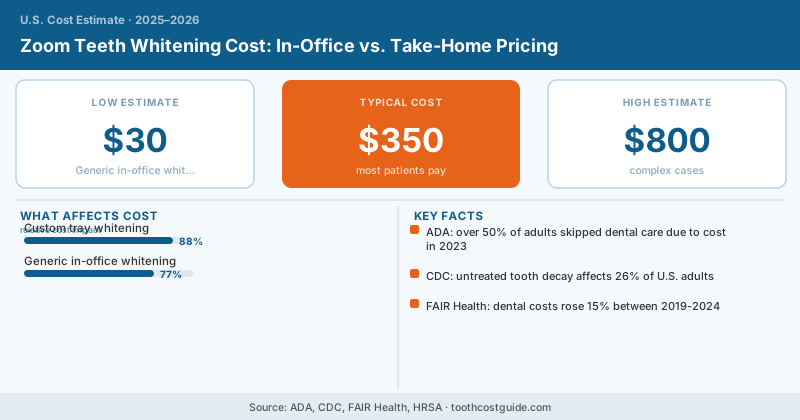
| Zoom in-office (single appointment) | $300–$600 |
| Zoom take-home kit (dentist-dispensed) | $150–$350 |
| Zoom in-office + take-home combo | $500–$800 |
| Generic in-office whitening (non-Zoom) | $200–$500 |
| Over-the-counter strips (Crest, Oral-B) | $30–$75 |
| Custom tray whitening (dentist, non-Zoom) | $200–$400 |
Geographic location significantly affects price. New York City and San Francisco practices routinely charge $500–$600. A dental office in the Midwest or Southeast may offer the same Zoom protocol for $299–$350. The underlying product is identical — you’re paying for overhead and local market rates.
What’s Included in That Price?
A legitimate Zoom appointment should include:
- Pre-treatment shade assessment
- Gum and soft-tissue protection (cheek retractors, gingival barrier)
- Three to four Zoom light cycles
- Post-treatment fluoride application to reduce sensitivity
- In many offices, a take-home touch-up kit
If a practice advertises “Zoom” at $99–$150, ask exactly what’s included. Some discount providers do a single cycle rather than three, use a non-Philips LED system, or skip the take-home kit — meaningfully different results.
Zoom and all peroxide-based whiteners won’t change the color of crowns, veneers, bonding, or fillings. If you have visible restorations on your front teeth, whiten first, then match your restorations to your new shade — not the other way around. Tell your dentist what restorations you have before scheduling.
Does Dental Insurance Cover Zoom?
No. Teeth whitening is a cosmetic procedure and is universally excluded from dental insurance coverage. No PPO, HMO, or discount plan covers elective whitening — not Zoom, not any other brand.
Your best alternatives for reducing cost:
- FSA/HSA funds: In most cases, whitening doesn’t qualify as a medical expense under IRS guidelines. Don’t assume it’s eligible.
- Dental school clinics: Some dental schools offer supervised in-office whitening for $100–$200.
- Office membership plans: Many dental practices include a free whitening kit per year with their in-house membership plan.
- Promotional pricing: Many dentists offer Zoom at a discount in January and before major holidays. Ask about current specials.
Zoom vs. Other Whitening Options
Zoom isn’t the only valid choice. Here’s the honest comparison:
Whitening strips (Crest Whitestrips Supreme, etc.): Effective for mild-to-moderate staining. Take 2–4 weeks for results. Zero customization for your tooth shape. Some people experience uneven whitening near the gum line where strips don’t conform well. But at $35–$75, the cost is hard to argue with for maintenance.
Custom tray whitening: This is often the best value proposition. Your dentist takes impressions, makes trays that fit your teeth exactly, and sends you home with professional-grade gel (10–22% carbamide peroxide). Cost is $200–$400, results appear in 2–4 weeks, and you keep the trays for years of touch-up treatments.
Generic in-office whitening: Many dentists offer in-office whitening without the Zoom brand name — using comparable hydrogen peroxide concentrations and LED lights from other manufacturers. Results are often equivalent, sometimes cheaper.
Whitening can cause significant tooth sensitivity, especially with higher peroxide concentrations. The American Dental Association notes this is the most common side effect. If you have exposed dentin, gum recession, or existing sensitivity, discuss desensitizing pre-treatment (prescription fluoride or potassium nitrate trays) with your dentist before your appointment.
Realistic Expectations
Zoom whitens extrinsic staining — coffee, tea, red wine, tobacco. It doesn’t fix intrinsic staining from tetracycline antibiotics, fluorosis, or trauma. Those cases often require veneers or bonding to mask color changes that peroxide can’t reach.
Results typically last 1–3 years depending on diet and oral hygiene. Avoiding coffee and red wine for 48 hours after treatment matters — your enamel is temporarily more porous and re-stains quickly.
Bottom Line
Zoom in-office whitening costs $300–$600 and delivers fast, professionally supervised results in about 90 minutes. It’s genuinely effective — but for patients without urgent timelines, custom tray whitening at $200–$400 often delivers comparable results at a lower price, with the added benefit of reusable trays for touch-ups. Either way, insurance won’t help. Factor that into your budget from the start.
Frequently Asked Questions
Zoom in-office whitening typically costs $300–$600 per session at US dental practices. Take-home Zoom kits prescribed by your dentist range from $100–$300, making them a more affordable alternative to professional in-office treatment.
Most dental insurance plans do not cover Zoom whitening because it is considered a cosmetic procedure rather than medically necessary treatment. You should expect to pay the full cost out-of-pocket, though some dentists offer payment plans or discounts for multiple sessions.
A single Zoom in-office whitening session takes 45 minutes to 1 hour and can show results immediately. Most patients need only one appointment for noticeable whitening, though some dentists recommend follow-up sessions every 6–12 months to maintain results.