Soda. Acid reflux. Energy drinks. Citrus. Over time, the acids in what you eat and drink quietly dissolve enamel — and enamel doesn’t grow back. By the time most patients learn they have erosion, real damage has already occurred.
The CDC reports that roughly 45% of US adults show signs of tooth wear, including acid erosion. Treatment costs depend entirely on how far things have progressed.
Treatment Costs by Erosion Severity
| Severity | Typical Treatment | Cost Range |
|---|---|---|
| Mild (surface only) | Fluoride varnish + monitoring | $0–$150 per visit |
| Mild-moderate | Dental bonding (composite resin) | $200–$600 per tooth |
| Moderate | Porcelain veneers | $900–$2,500 per tooth |
| Moderate-severe | Dental crowns | $1,000–$3,500 per tooth |
| Severe (full mouth) | Full-mouth reconstruction | $15,000–$50,000+ |
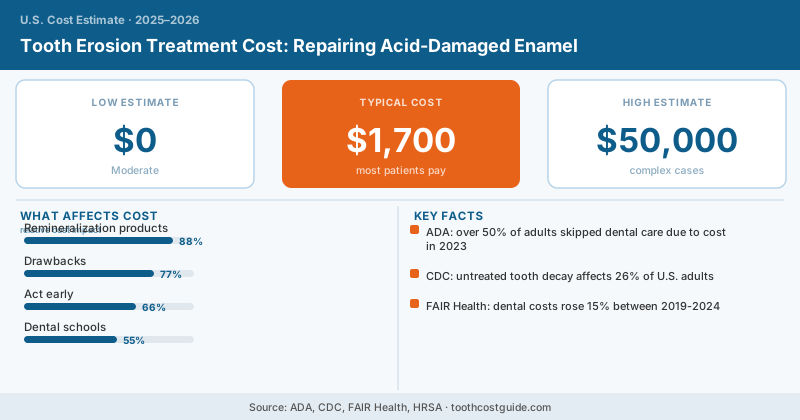
Most patients caught in the mild-to-moderate stage spend $800–$5,000 total. Full-mouth reconstruction is the expensive end reserved for patients who’ve let erosion progress for years without treatment.
How Dentists Classify Erosion
Your dentist will use the BEWE (Basic Erosive Wear Examination) or TWES (Tooth Wear Evaluation System) scoring to grade erosion severity:
- Score 0: No erosion visible
- Score 1: Slight surface texture change
- Score 2: Less than 50% of surface affected
- Score 3: More than 50% of surface affected — active treatment needed
Palatal surfaces of upper front teeth and occlusal (biting) surfaces of lower molars are the first to go. Your dentist can spot erosion before you feel any symptoms.
Early-Stage Treatment: Low Cost, High Leverage
Caught early, erosion is cheap to manage. Professional fluoride varnish ($30–$60 applied at cleaning visits) and prescription fluoride toothpaste or gel ($25–$50/month) can slow or halt further loss. High-concentration prescription fluoride (5,000 ppm) is roughly 10x stronger than OTC options.
Remineralization products like hydroxyapatite toothpaste and MI Paste (casein phosphopeptide/amorphous calcium phosphate) can restore some mineral density to softened enamel — though they can’t rebuild lost structure.
The key at this stage: eliminate the acid source. Whether it’s GERD, frequent soda, or dry mouth (which reduces saliva’s buffering effect), stopping the cause costs nothing and prevents thousands in future bills.
It depends on how the treatment is coded. Fluoride varnish is covered preventively on adults by many plans. Composite bonding may be covered if it’s restorative (structural need), not cosmetic. Crowns are usually covered at 50% after waiting periods when medically necessary. Veneers placed purely for aesthetics are almost never covered. Ask your dentist to document structural damage in the chart — this helps justify coverage.
Composite Bonding for Erosion
Bonding is the workhorse treatment for mild-to-moderate erosion. Your dentist applies tooth-colored composite resin to rebuild worn surfaces — no anesthesia needed in many cases, done in one visit.
Drawbacks: Composite wears faster than enamel. Expect to replace bonding every 5–8 years. For patients whose acid source isn’t fully controlled, bonding can erode too. It’s a good short-term fix but not ideal for severe cases.
Veneers and Crowns for Moderate-to-Severe Erosion
When more than 30–50% of the tooth surface is gone, bonding may not provide enough structural support. Porcelain veneers cover the front surfaces of teeth and provide excellent wear resistance — but only work on front teeth with intact backs.
Crowns cap the entire tooth and are used when erosion has thinned enamel to the point where the tooth risks fracture. At $1,000–$3,500 per tooth, crowns are expensive, but a cracked or lost tooth is more expensive still.
Full-Mouth Reconstruction: The Severe End
Patients with severe erosion from decades of GERD, bulimia, or excessive acid intake may need full-mouth reconstruction — essentially rebuilding all teeth with crowns or veneers over multiple appointments.
According to FAIR Health data, full-mouth reconstruction averages $15,000–$50,000 depending on materials (porcelain, zirconia, gold) and number of teeth involved. This typically includes:
- Comprehensive exam and treatment planning
- Any needed extractions, implants, or bone grafts
- Crowns and/or veneers on all teeth
- Occlusal adjustment to ensure proper bite
Never start full-mouth reconstruction without first controlling the acid source. If GERD is untreated or dietary acids continue, newly placed crowns and veneers will erode on the same timeline as your original teeth — wasting thousands of dollars. Get an acid reflux diagnosis and treatment from your primary care doctor before committing to major dental restoration.
Saving Money on Erosion Treatment
Act early. The math is brutal: a $150 fluoride treatment or $300 bonding job today prevents a $2,500 crown (or $50,000 reconstruction) later. Don’t wait for pain to signal a problem — erosion is painless until it’s advanced.
Dental schools. Faculty-supervised dental school clinics provide bonding, veneers, and crowns at 40–60% of private practice fees. Treatment takes longer but the quality is solid.
Prioritize by quadrant. If budget is limited, address the most severely eroded teeth first — typically lower molars and upper front teeth — and phase in remaining treatment over 1–2 years.
Dental savings plans. An in-office membership plan ($200–$500/year) or third-party discount plan often provides 15–25% off restorative work without annual maximums.
Tooth erosion is one of the few dental conditions where doing the right thing early pays off dramatically. Know your stage, stop the cause, and get treatment before bonding becomes a crown — and before one crown becomes a reconstruction.
Frequently Asked Questions
Tooth erosion treatment ranges from $150–$15,000+ depending on severity. Minor erosion treated with fluoride therapy or bonding costs $150–$500 per tooth, while moderate cases requiring crowns run $800–$3,000 per tooth, and severe erosion needing full-mouth reconstruction can exceed $15,000.
Most dental insurance plans cover erosion treatment classified as restorative care (like bonding or crowns) at 50–80% after your deductible, but cosmetic treatments may not be covered. Out-of-pocket costs typically range from $200–$5,000 depending on your plan's annual maximum and the extent of damage.
A single bonding or fluoride treatment takes 30–60 minutes per tooth, while crown placement requires 2–3 appointments over 2–3 weeks. Prevention is far more cost-effective: limit acidic foods and drinks, use a straw, rinse with water after consuming acids, and apply fluoride toothpaste or prescription fluoride gel daily.