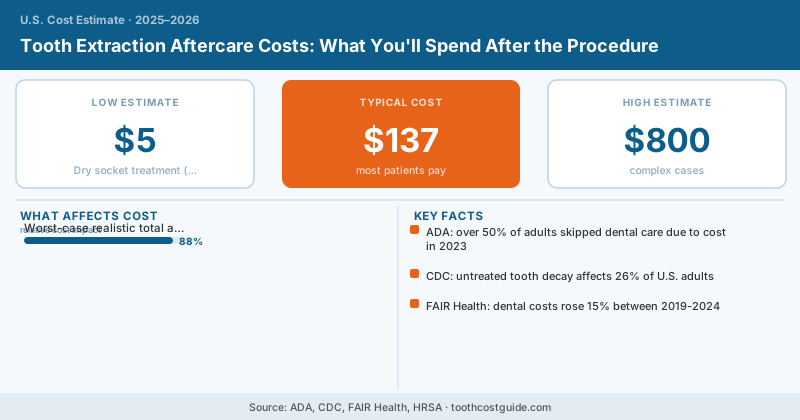
Most people focus on the extraction price and forget to ask what comes after. That’s how a $200 tooth removal turns into a $400 week — with an emergency dry socket visit, a prescription mouth rinse, and a second round of antibiotics.
The extraction itself is just the beginning. Here’s what aftercare actually costs, what’s usually included in your original quote, and which complications to watch for (and budget for).
What’s Typically Included in Your Extraction Fee
Simple extractions ($75–$300) generally include:
- The removal itself
- Local anesthetic
- Post-op gauze pads
- Verbal or written aftercare instructions
- A 7–10 day follow-up visit (at many practices)
Surgical extractions ($225–$600 per tooth) — like impacted wisdom teeth — often include:
- Everything above
- IV sedation or oral sedation (sometimes billed separately, $150–$600)
- Sutures (stitches)
- A follow-up appointment to check healing
Always confirm whether a follow-up is included before you leave the chair. Some practices bill it separately at $50–$100.
Common Aftercare Costs
| Aftercare Item | Typical Cost |
|---|---|
| Prescription antibiotics (if prescribed) | $10–$40 (generic with GoodRx) |
| Prescription mouth rinse (chlorhexidine) | $10–$25 |
| OTC pain relief (ibuprofen, acetaminophen) | $8–$15 |
| Prescription pain medication (opioid, if given) | $20–$50 |
| Dry socket treatment (office visit + medicated dressing) | $75–$200 |
| Socket irrigation syringe | $5–$15 |
| Soft food groceries (soups, yogurt, smoothies) | $30–$80 extra per week |
| Bone graft at extraction site (socket preservation) | $300–$800 |
Dry Socket: The Complication That Costs the Most
Dry socket (alveolar osteitis) happens when the blood clot that forms after extraction is dislodged or dissolves before the wound heals. The exposed bone causes significant pain — typically starting 3–5 days after the extraction.
It affects roughly 2–5% of all extractions and up to 30% of lower wisdom tooth removals, according to a 2020 review published in the Journal of Oral and Maxillofacial Surgery. Smokers have a substantially higher risk.
A dry socket visit involves the dentist cleaning the socket and placing a medicated dressing. This usually costs $75–$200 per visit, and you may need 2–4 dressing changes over 7–10 days. Some practices include one dry socket visit in the original extraction fee — ask upfront if yours does.
Do NOT use a straw for the first 72 hours after extraction. The suction created can dislodge the blood clot and trigger dry socket. This is the single most preventable aftercare mistake — and it avoids an unplanned $100–$200 office visit.
Socket Preservation: An Upfront Cost That Saves Money Later
If you’re planning to replace the extracted tooth with an implant, your dentist may recommend socket preservation (also called a ridge graft). This involves placing a bone graft material in the empty socket immediately after extraction to prevent bone resorption.
Cost: $300–$800 per socket, usually not covered by insurance.
Skip it, and you may need a larger, more expensive bone graft procedure before the implant can be placed — which costs $500–$3,000. The American Academy of Oral and Maxillofacial Surgeons recommends socket preservation in most cases where implant replacement is planned.
It’s an optional upfront cost that pays for itself if an implant is the end goal.
Stitches: Removal Cost
Sutures after surgical extractions are either absorbable (dissolve on their own) or non-absorbable (require removal at a follow-up visit). If you have non-absorbable stitches, the removal visit is typically included in your original surgical fee. If it’s not included, stitch removal alone costs $25–$75.
Always confirm this when scheduling your procedure.
When to Call Your Dentist (and What It Costs)
Most follow-up issues after a routine extraction should be covered by your original fee for at least the first week. But here’s what triggers a separate billable visit:
- Dry socket (as described above): $75–$200 per visit
- Infection signs (fever, increasing swelling, pus): antibiotic adjustment or drainage visit, $100–$250
- Bleeding that won’t stop after 2 hours: emergency visit, $100–$300
- Suture that tears or falls out too early: re-examination, $50–$100
The CDC estimates that dental infections — including post-extraction complications — contribute to over 101,000 emergency department visits per year. Catching problems early at your dentist is far cheaper than a hospital ER visit.
- Bite firmly on gauze for 30–45 minutes to form a proper blood clot
- No straws, smoking, or spitting for at least 72 hours
- Take all antibiotics if prescribed — stopping early invites resistance and re-infection
- Rinse with warm salt water (not mouthwash with alcohol) after 24 hours
- Follow up as scheduled — don’t skip it even if you feel fine
Total Realistic Aftercare Budget
For a simple extraction with no complications, plan for an extra $30–$80 (OTC meds, soft foods, salt water rinse).
For a surgical extraction with no complications, budget $80–$200 (prescription meds, possibly a prescription rinse, follow-up).
If you develop dry socket, add $150–$400 to whatever you originally paid.
If you’re also doing socket preservation for an implant, add $300–$800.
Worst-case realistic total aftercare cost: $600–$1,200 on top of the extraction fee.
That’s not the norm — but knowing the ceiling helps you make smart decisions about follow-up care and timing.
Insurance and Aftercare Coverage
Dental insurance generally covers medically necessary aftercare. A dry socket visit is typically billed as a separate office visit and covered at your plan’s basic care rate (usually 70–80% after deductible). Prescription drugs, however, fall under your medical/pharmacy benefit — not your dental plan.
Socket preservation is often categorized as an optional procedure and may require pre-authorization. Check with your insurer before agreeing to it at the extraction appointment.
Frequently Asked Questions
Dry socket treatment typically costs $75–$200 for an emergency dental visit, plus $20–$50 for prescription rinses or medicated dressings. If you need antibiotics or additional follow-up appointments, expect to add another $50–$150 to your total aftercare costs.
Most dental insurance plans cover basic aftercare like antibiotics and follow-up exams as part of the extraction benefit, but prescription mouth rinses, pain medications, and emergency dry socket treatment may require a separate copay of $25–$75. Coverage varies by plan, so contact your insurer before your procedure to confirm what's included in your coverage.
Most patients can return to soft foods within 3–7 days and resume normal eating within 2–3 weeks, depending on whether complications like dry socket develop. If you experience increased pain, swelling, or signs of infection after day 3, contact your dentist immediately to avoid expensive emergency treatment.