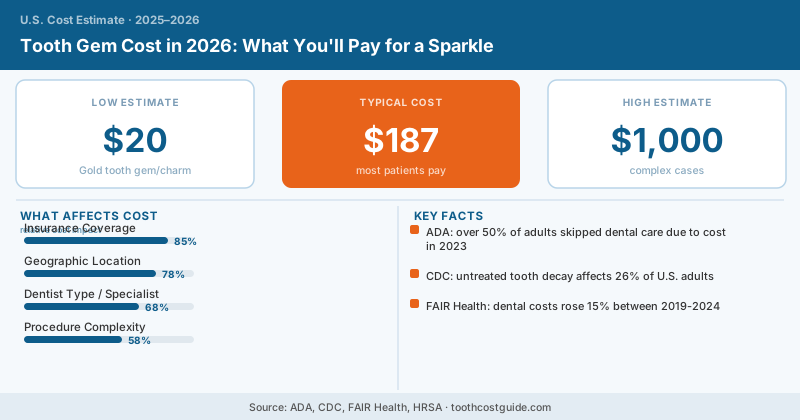
Most patients assume a tooth gem is some pricey luxury. Wrong. A basic tooth gem applied at a dental office runs $30 to $100 — cheaper than a manicure. The cost climbs only if you want real diamonds or gold instead of crystal. It’s one of the most affordable cosmetic touches in dentistry, and the application takes about 15 minutes with zero drilling.
Let’s get into what you’re actually paying for and where the price can sneak up on you.
| Tooth Gem Type | Typical Cost |
|---|---|
| Crystal/rhinestone gem (office application) | $30–$60 |
| Swarovski crystal gem | $50–$100 |
| Real diamond gem | $200–$1,000+ |
| Gold tooth gem/charm | $75–$300 |
| Multiple gems (per additional) | $20–$50 each |
| Removal + polish | $25–$75 |
What the Procedure Involves
A dental tooth gem is glued to your enamel with the same bonding adhesive used for braces brackets. No hole is drilled. No enamel is removed in a proper application. Your dentist cleans the tooth, applies a mild etch, places the gem, and cures the adhesive with a light. That’s it. The gem sits on the surface and can be removed later without damaging the tooth — assuming it was applied correctly.
The “applied correctly” part matters. Which brings us to the warning that actually saves you money.
The price of the gem matters far less than who applies it. A $40 crystal placed by a licensed dentist with proper bonding is safer and lasts longer than a $40 DIY kit glued on at home, which can trap bacteria, cause decay, and lead to a filling that costs many times more than the gem ever did.
Why DIY Kits Cost More Than They Look
Those $10–$20 tooth gem kits online are tempting. But the adhesive in cheap kits isn’t dental-grade, and a gem that pops off in a few days isn’t the real problem. The real problem is a gem bonded with the wrong glue, trapping plaque underneath where you can’t brush it. That spot can decay. The ADA emphasizes that any object bonded to a tooth needs professional placement and monitoring, because the margin where the gem meets enamel is exactly where cavities like to start. A cavity becomes a dental crown or filling, and now your $15 kit cost you several hundred dollars.
How Long Does a Tooth Gem Last?
A professionally applied crystal gem typically stays on for 6 months to a couple of years. It’s not permanent by design — the bonding is meant to release cleanly when you want it gone. Some people keep theirs for years; others lose them sooner if they grind their teeth or bite hard objects. The good news is reapplication is cheap.
Does It Affect Anything Else You Might Want Done?
If you’re planning teeth whitening, do it before the gem goes on — the area under the gem won’t lighten, and you’ll get an uneven shade if you whiten afterward. Same logic applies if you’re considering dental bonding or dental veneers on the same tooth: handle the structural cosmetic work first, then add the gem as the final flourish.
Saving Money Safely
Don’t chase the cheapest gem — chase the right dentist. The difference between a $30 and $60 application is often the adhesive quality and the dentist’s experience. That gap is worth closing.
Buy your own gem, ask them to apply it. Some offices will bond a Swarovski crystal you bring in for a reduced application fee. Ask first.
Skip real diamonds unless you’re committed. A genuine diamond gem at $200+ on something semi-temporary is a lot of money for a sparkle you might remove next year.
Bundle with a cleaning. If you’re already in the chair for a checkup, application setup is faster and some offices fold it into the visit.
Ask your dentist to take a quick photo of the bonded margin right after placement. If the gem ever loosens, you’ll know immediately whether the spot underneath stayed clean — and you can get it rebonded before bacteria settle in.
Is It Worth It?
For a fun, low-commitment, reversible bit of flair, a tooth gem is one of the cheapest cosmetic choices out there. The whole thing costs less than dinner for two. Just keep it professional. The savings from skipping the dentist evaporate the moment a poorly bonded gem causes decay.
Never use household super glue or jewelry adhesive to attach a tooth gem yourself. These products are toxic, not designed for the mouth, and can permanently damage enamel. Always have gems placed and removed by a licensed dental professional, and keep the area meticulously clean while the gem is on.
Frequently Asked Questions
A basic tooth gem costs $30–$100 at a dental office, making it one of the most affordable cosmetic dental procedures. If you want real diamonds or gold instead of crystal, expect to pay $200 and up for premium materials.
No, tooth gems are considered a cosmetic procedure and are not covered by standard dental insurance plans. You'll pay the full cost out-of-pocket, though the low price ($30–$100 for basic gems) makes it accessible for most patients without insurance help.
The application process takes about 15 minutes and requires zero drilling, making it a quick cosmetic touch with no recovery period needed. You can return to normal eating and activities immediately after the procedure, though your dentist may recommend avoiding very hard foods for a short time.