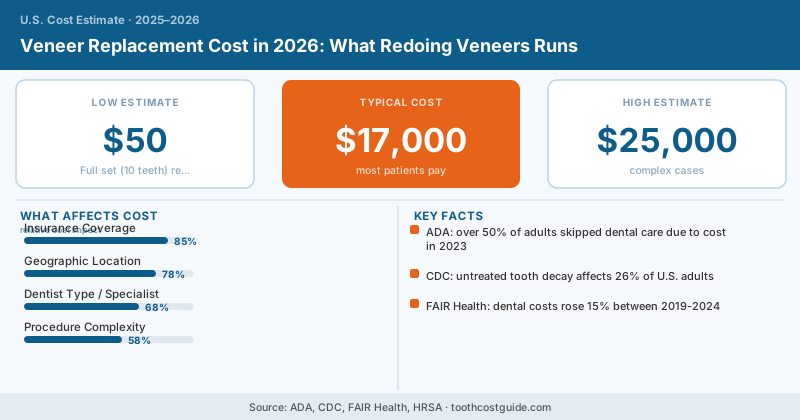
Veneers don’t last forever. That surprises a lot of people who assumed they were a one-and-done purchase. Replacing a single porcelain veneer costs $900 to $2,500 — essentially the same as the original — and a full set replacement can run into five figures all over again. If you got veneers 10 or 15 years ago, you’re probably starting to think about this. So let’s talk about when veneers actually need replacing, why round two isn’t cheaper, and where you can save.
| Veneer Replacement Scenario | Typical Cost |
|---|---|
| Single porcelain veneer replacement | $900–$2,500 |
| Single composite veneer replacement | $300–$600 |
| Full set (8 teeth) replacement | $7,200–$20,000 |
| Full set (10 teeth) replacement | $9,000–$25,000 |
| Re-bonding a debonded (intact) veneer | $150–$400 |
| New temporary during fabrication | $50–$150 per tooth |
When Veneers Actually Need Replacing
Veneers have a real lifespan. The AACD notes that quality porcelain veneers typically last 10 to 15 years, with many going longer when well maintained. Here’s what eventually sends them to replacement:
- Chips or cracks in the porcelain that can’t be polished out
- Worn or stained margins where the veneer meets the gum, especially with receding gums
- Decay underneath — your natural tooth can still get cavities at the edges
- A loose or debonded veneer that’s failed to stay attached
- Color mismatch as your surrounding teeth or gums change over the years
Not every problem means replacement. Which brings up a cheaper option people overlook.
A veneer that simply popped off but is otherwise intact can often be re-bonded for $150–$400 instead of replaced for $900–$2,500. Don’t let anyone tell you a debonded veneer automatically needs a brand-new one — save the intact piece, keep it clean, and bring it to your dentist promptly.
Why Replacement Isn’t Cheaper
You’d think the second veneer would cost less since the tooth is already prepped. It doesn’t, and here’s why. Removing the old veneer takes time and care. The underlying tooth often needs reshaping or repair. A new impression or scan, a new lab fabrication, and a new temporary all happen again from scratch. The lab and material costs are identical to a fresh veneer. So budget for full price, not a discount.
In some cases replacement is more expensive — if decay developed under the old veneer, you might need a filling or even a dental crown before a new veneer can go on.
Composite vs. Porcelain at Replacement Time
If your original veneers were composite, replacement is cheaper but more frequent — composite dental bonding wears faster. Many people use a replacement cycle to upgrade from composite to porcelain for a longer-lasting result. If you’re rethinking the whole look, our dental veneers guide compares materials.
Can You Avoid Replacement Longer?
Yes. Veneers fail faster from grinding, biting hard objects, and poor gum health. A night guard for grinders, regular cleanings, and good home care all stretch the years between replacements. Whitening your natural teeth as they dull can also delay a color-mismatch replacement — though remember, the veneer itself won’t lighten with teeth whitening.
Saving Money
Re-bond before you replace. An intact debonded veneer is a cheap fix — always ask.
Replace only the failed ones. You rarely need to redo a whole set just because one chipped.
Use pre-tax dollars. If decay or damage makes part of the work restorative, an FSA helps.
Finance a full-set redo. Replacing 10 veneers is a major expense — CareCredit offers 0% promotional periods, and a dental savings plan can shave 10–20% at participating offices.
When one veneer fails, ask your dentist whether the lab can match a single replacement to your existing veneers, or whether the whole set has aged enough that matching one will look off. Sometimes redoing two or three adjacent teeth produces a better blend than fighting to match a single new veneer to a 12-year-old set.
A failing veneer can hide decay on the natural tooth underneath, which gets worse the longer you wait. If a veneer chips, loosens, or develops dark margins, see your dentist promptly — delaying replacement can turn a routine swap into a root canal or crown. Get a written assessment of the tooth beneath before agreeing to any plan.
Frequently Asked Questions
Replacing a single porcelain veneer costs $900 to $2,500, which is the same price range as getting your original veneers placed. A full set replacement (typically 6–8 veneers) can run $5,400 to $20,000 or more depending on the material and dentist location.
Most dental insurance plans do not cover veneer replacement because veneers are considered cosmetic, not medically necessary. You should expect to pay the full cost out-of-pocket, though some plans may cover a portion if the veneer fails due to decay or structural damage rather than wear.
Porcelain veneers typically last 10–15 years before needing replacement due to wear, chipping, discoloration, or gum recession exposing the tooth underneath. If you notice staining that bleaching won't fix, chips, or gaps forming between the veneer and gum line, it's time to schedule a replacement consultation with your dentist.