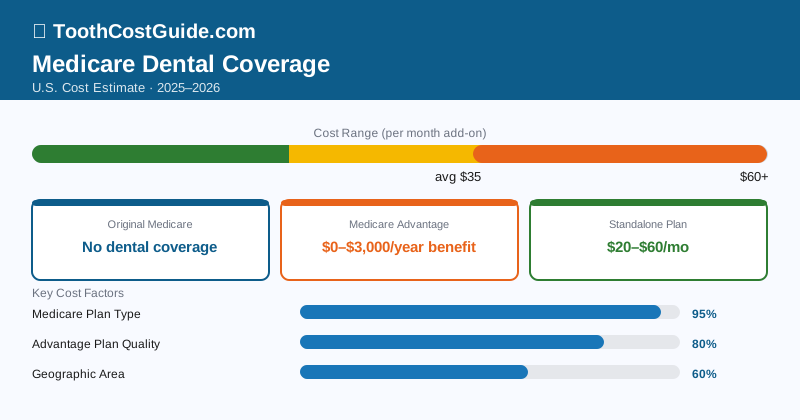
Original Medicare (Parts A and B) covers almost no routine dental care — leaving the average Medicare beneficiary to pay 100% of their dental bills out of pocket unless they purchase additional coverage. The good news: about 60% of Medicare Advantage (Part C) plans include some dental benefits, and standalone Medicare dental plans are available for $20–$50 per month. Understanding what you actually have — and what you’re missing — is essential for anyone on Medicare.
| Coverage Type | Monthly Cost | What’s Covered | Annual Dental Benefit |
|---|---|---|---|
| Original Medicare (Parts A & B) | Varies (Part B ~$185) | Almost nothing routine | ~$0 |
| Medicare Advantage with dental | $0–$100 above Part B | Preventive + some major | $1,000–$3,000 |
| Standalone Medicare dental plan | $20–$50 | Varies by plan | $1,000–$2,000 |
| Medicare Supplement (Medigap) | $100–$300 | Does NOT include dental | $0 |
| Dental discount plan (add-on) | $10–$20 | Discounts, not insurance | N/A (10–60% off) |
How Medicare’s Dental Coverage Works
What Original Medicare covers: Parts A and B cover dental procedures only in very narrow circumstances — specifically when the dental work is an integral part of another covered medical procedure. Examples include:
- Tooth extraction required before radiation treatment for jaw cancer
- Examination before a kidney transplant or heart valve surgery
- Wiring of the jaw after a covered traumatic injury
- Dental care needed to treat a specific non-dental health condition
Everything else — cleanings, X-rays, fillings, crowns, bridges, dentures, implants, extractions for dental disease — is explicitly excluded from Medicare coverage. This is not a gap in the law; routine dental was intentionally excluded when Medicare was created in 1965.
Medicare Advantage dental benefits: Medicare Advantage plans (Part C) are private plans that must cover everything Original Medicare covers but can add extra benefits. Dental is one of the most common additions. As of 2025, about 60% of Medicare Advantage plans include some dental coverage, with average annual dental benefits of $1,500–$2,000. Some premium plans offer $3,000 or more in annual dental benefits covering preventive, basic, and major services.
Standalone dental plans for Medicare beneficiaries: You can purchase a separate dental insurance plan at any time — enrollment isn’t tied to Medicare’s enrollment periods. These plans work like individual dental insurance: you pay a monthly premium, meet a deductible, and the plan pays a percentage of covered services up to an annual maximum.
If you’re on Original Medicare and have no dental coverage, you’re paying 100% of all routine dental costs. Even a basic standalone dental plan at $30/month can save you significantly on cleanings, fillings, and major work. Check your Medicare Advantage plan’s dental benefit — it may be better than you think.
Costs & Coverage Details
Medicare Part B premiums (2025): The standard Part B premium is approximately $185/month. This pays for physician visits, outpatient care, and covered medical services — but no dental.
Medicare Advantage dental coverage specifics: Coverage varies significantly by plan, but a typical MA plan with dental might offer:
- Preventive services (cleanings, exams, X-rays): Covered at 100%, no cost-sharing
- Basic services (fillings, extractions): Covered at 50–80% after a small copay
- Major services (crowns, bridges, dentures): Covered at 50% after deductible
- Annual dental maximum: $1,000–$3,000
- Orthodontics: Rarely covered for adults in MA plans
The quality gap in MA dental: Not all Medicare Advantage dental benefits are equal. Many offer only “preventive dental” — cleanings and exams — but nothing for fillings or crowns. When comparing MA plans during open enrollment, look specifically at whether the plan covers “comprehensive dental” or only “preventive dental.” Comprehensive dental coverage is the more valuable benefit.
Standalone dental plan costs (2025): Individual dental plans available to Medicare beneficiaries typically cost:
- Basic preventive-only plans: $20–$35/month ($240–$420/year)
- Mid-tier plans with basic services: $35–$50/month ($420–$600/year)
- Comprehensive plans: $50–$80/month ($600–$960/year) Annual maximums are typically $1,000–$2,000. Waiting periods of 6–12 months often apply for major services.
Medicare Supplement (Medigap) and dental: Medigap plans help cover Medicare’s medical cost-sharing but do NOT include dental, vision, or hearing benefits. A Medigap plan will not help with your dental bills regardless of which plan letter (A, B, C, G, N, etc.) you have.
Pros and Cons
Medicare Advantage with dental — Pros:
- One-stop coverage — medical and dental in one plan
- Some plans have $0 added premium for dental benefits
- Comprehensive plans can cover $1,000–$3,000 in annual dental expenses
- No separate enrollment; dental is part of the MA plan
Medicare Advantage — Cons:
- Must use in-network doctors and dentists (HMO/PPO network restrictions)
- Annual plan changes mean your dental benefit can change each year
- Many plans only cover preventive dental; major work may not be covered
- Geographic availability varies — not all counties have comprehensive MA dental plans
Standalone dental plan — Pros:
- Can keep your own dentist (PPO plans)
- Coverage doesn’t change with medical insurance
- No network restrictions for PPO plans
Standalone dental plan — Cons:
- Waiting periods for major services (6–12 months)
- Annual maximums may not cover major work
- Additional monthly premium expense
Who Benefits Most
Medicare beneficiaries with upcoming dental needs — particularly those who need crowns, bridges, or implants — need to verify their coverage now. If a $1,500 crown is in your near future, spending $50–$80/month on a comprehensive standalone plan or switching to a Medicare Advantage plan with comprehensive dental is well worth it.
Seniors without any dental coverage should prioritize adding dental benefits at their next Medicare open enrollment (October 15 – December 7 each year) by switching to a Medicare Advantage plan with comprehensive dental, or enrolling in a standalone dental plan at any time.
People in good dental health who just need cleanings and X-rays may find a basic preventive plan ($20–$30/month) or an MA plan’s preventive dental benefit sufficient.
How to Save Money on Dental Costs with Medicare
Shop Medicare Advantage during open enrollment. Each fall, compare plans on medicare.gov using the Plan Finder tool. Filter specifically for plans with “comprehensive dental” benefits and compare the dollar value of the dental maximum offered. Switching to a plan with $2,000 in dental benefits could easily offset any difference in premium.
Use dental schools. Accredited dental schools near you provide care at 40–70% below market rates, overseen by licensed faculty. For seniors on fixed incomes, this is often the best value for major procedures.
Look for senior-specific dental plans. Carriers like Humana, Aetna, AARP/Delta Dental, and Cigna offer plans specifically designed for Medicare-age beneficiaries, sometimes with reduced waiting periods and higher annual maximums.
Consider dental discount plans as a supplement. For $10–$20/month, dental discount plans (not insurance) give you access to networks of dentists at 20–60% reduced fees. When combined with a basic Medicare dental plan, discounts on services above the annual maximum can still save you hundreds.
Do not assume your Medicare Advantage plan covers comprehensive dental without verifying the specific benefit. Many plans advertise “dental benefits” but only cover two cleanings per year. Request the Summary of Benefits and look for the dental coverage section, specifically noting whether fillings and crowns are included.
Original Medicare covers virtually no dental care. Medicare Advantage plans with comprehensive dental benefits — available for $0–$100/month above your Part B premium — offer $1,000–$3,000 in annual dental benefits and are the best way for most Medicare beneficiaries to get dental coverage. Shop plans every fall during open enrollment to ensure you have meaningful dental benefits.
Bottom Line
The Medicare dental coverage gap is significant: Original Medicare Parts A and B cover almost nothing dental-related, leaving beneficiaries fully exposed to dental costs averaging $685 per year for routine care and far more if major work is needed. Medicare Advantage plans with comprehensive dental coverage fill this gap for many seniors, and standalone dental plans are available at any time for $20–$80 per month. Check your current Medicare Advantage plan’s dental benefit now — and if you only have preventive dental or no dental at all, use the upcoming open enrollment period to add meaningful coverage.