54,000 Americans are diagnosed with oral cavity or oropharyngeal cancer each year, according to the American Cancer Society’s 2024 data. The five-year survival rate when it’s caught early is 89%. When it’s caught late, that drops to 39%. Your dentist is often the first person who can spot it — and the cost of a screening is far less than you’d expect.
What Does an Oral Cancer Screening Actually Involve?
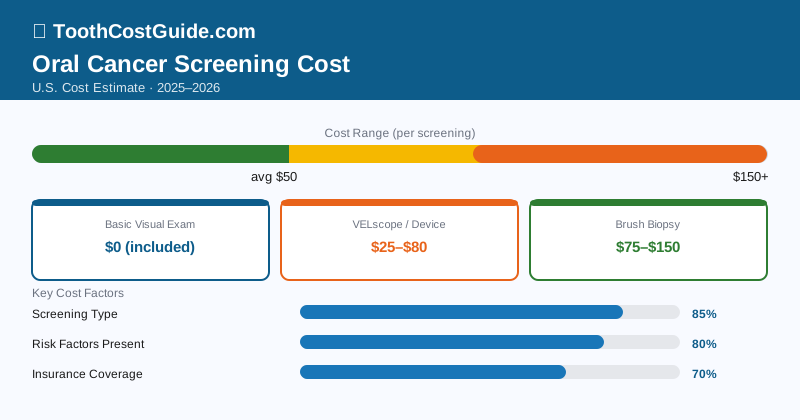
A standard oral cancer screening is a visual and tactile exam your dentist or hygienist performs. They check your lips, tongue, cheeks, floor of the mouth, palate, gums, and throat for unusual patches, lumps, or sores. It takes 2–5 minutes and is typically included as part of your routine exam at no extra charge.
Some practices offer enhanced screening with adjunct tools — special lights or dyes that make suspicious tissue more visible. These cost extra and are billed separately.
| Screening Type | Average Cost |
|---|---|
| Standard visual exam (included in checkup) | $0 |
| VELscope or similar fluorescence device | $25–$80 |
| ViziLite or toluidine blue staining | $30–$75 |
| Brush biopsy (OralCDx) | $75–$150 |
| Incisional biopsy (if referral needed) | $200–$500+ |
Who Pays for It?
Most dental insurance plans cover oral cancer screening as part of a routine comprehensive exam (ADA code D0120 or D0150). The enhanced adjunct screening tools — VELscope, ViziLite — are typically billed under code D0431 and may or may not be covered. Some plans cover them for high-risk patients; others classify them as “experimental” or non-covered services.
If your dentist recommends a brush biopsy or refers you to an oral surgeon for an incisional biopsy, your medical insurance (not dental) may pick up part of the cost.
The American Dental Association recommends discussing enhanced oral cancer screening with your dentist if you have any of these risk factors:
- Tobacco use of any kind (cigarettes, cigars, smokeless tobacco, e-cigarettes)
- Heavy or regular alcohol use
- History of HPV infection — especially HPV-16, which drives oropharyngeal cancers
- Prior oral cancer diagnosis (recurrence risk is significant)
- Prolonged sun exposure (affects lip cancer risk)
- Age 40 or older, male (men are twice as likely to develop oral cancer as women)
Are the Enhanced Tools Worth the Extra Cost?
This is legitimately debated in the dental literature. The National Cancer Institute has noted that no adjunct screening device has been proven to reduce oral cancer mortality in well-designed clinical trials. However, many dentists use them as a communication and documentation tool — they can identify tissue changes worth monitoring before they become visible to the naked eye.
For high-risk patients (tobacco users, heavy drinkers, HPV history), paying $25–$80 for a VELscope exam is a reasonable precaution. For a low-risk patient with no symptoms and no history, the standard visual exam is likely sufficient.
The tool that matters most is the clinician’s experience and thoroughness — a careful, well-trained dentist doing a 5-minute manual exam catches more than a distracted clinician with an expensive device.
What Happens If Something Looks Suspicious?
If your dentist spots a lesion or patch that doesn’t resolve within two weeks, they’ll likely recommend one of two paths: a brush biopsy (non-invasive, done in-office with a rotating brush that collects cells) or a referral to an oral surgeon for an incisional biopsy. Neither is cause for panic — most suspicious findings are benign. But acting promptly on a referral is critical.
A sore or white/red patch in your mouth that persists more than two weeks after a cold, canker sore, or minor injury should always be evaluated. Don’t wait for your next cleaning.
Oral cancer can develop in people with no traditional risk factors. HPV-related oropharyngeal cancer has risen sharply over the past two decades, particularly in men aged 35–60 who’ve never smoked. Don’t assume you’re low-risk simply because you don’t use tobacco.
The Bottom Line
If you see your dentist regularly, you’re likely already getting a basic oral cancer screening as part of your exam — at no extra charge. Ask your dentist to confirm they include it. For high-risk patients, spending $25–$80 on an enhanced screening tool is a low-cost addition to your annual preventive care. Early detection is the single biggest factor in oral cancer survival, and your dentist’s office is one of the best places to catch it early.