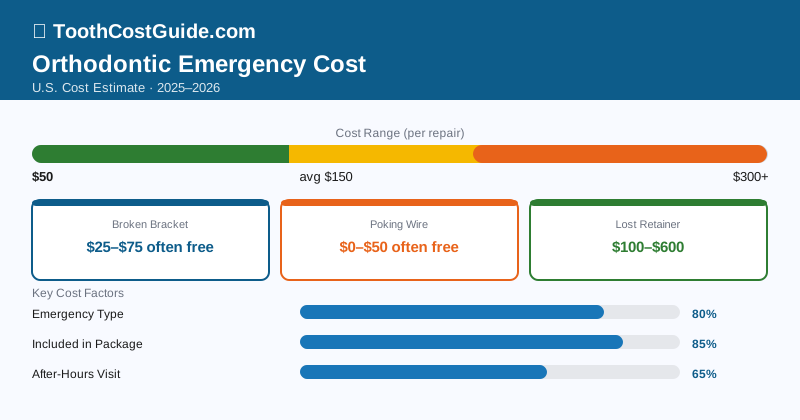
Orthodontic emergency repairs cost $50–$300 depending on the issue and whether your practice includes repairs in the treatment fee. A broken bracket repair costs $25–$75 per bracket when charged separately. Emergency wire clipping costs $50–$150 at the office. Many practices include routine in-treatment repairs in the comprehensive treatment fee — confirming this at the start of treatment is essential so unexpected repair bills don’t catch you off guard.
| Orthodontic Emergency | Typical Cost |
|---|---|
| Broken bracket reattachment | $25–$75 per bracket |
| Protruding/poking wire trimming (office) | $50–$150 |
| Loose band (molar) rebanding | $25–$100 |
| Poking wire temporary fix (at home) | $0 (wax) |
| Lost Invisalign aligner replacement | $50–$150 per aligner |
| Broken retainer repair | $50–$200 |
| Lost retainer replacement | $100–$600 |
| After-hours emergency appointment | $100–$250 (premium) |
| Broken bracket included in treatment fee | $0 additional |
What Affects Orthodontic Emergency Costs
Whether repairs are included in your treatment fee. Many orthodontic practices quote a comprehensive fee that includes “all in-treatment emergencies” — broken brackets, poking wires, loose bands. Others itemize these as separate charges. This is one of the most important questions to ask at your consultation: “Are broken brackets and emergency visits included in the total fee?”
The type of braces. Ceramic brackets are more fragile and break more frequently than metal. If ceramic bracket repairs aren’t included in the fee, the higher breakage rate means higher out-of-pocket costs. Ask your orthodontist how they handle ceramic bracket replacements.
After-hours vs. regular appointment. Most orthodontic offices can handle emergencies during regular business hours for the standard repair fee. If you require an appointment outside normal hours (evenings, weekends), some practices charge a premium of $50–$150 for the additional scheduling accommodation.
The specific repair needed. A wire that simply needs to be clipped is a 5-minute procedure. A broken bracket requires bracket removal, cleaning of the tooth surface, and rebonding — a 15–30 minute procedure. More time-intensive repairs cost more when billed separately.
What Qualifies as a True Orthodontic Emergency
True emergencies (call your orthodontist immediately):
- A broken wire puncturing or deeply lacerating your cheek, tongue, or gum tissue
- Significant facial swelling near the jaws
- A bracket or band has been swallowed (rare — inform the orthodontist and monitor breathing)
- Severe pain not manageable with OTC pain relievers after applying wax
Urgent (contact orthodontist within 1–2 days):
- Poking wire causing persistent irritation that wax doesn’t resolve
- Multiple broken brackets in the same arch
- A band (molar ring) that has come completely loose
- An Invisalign attachment that has debonded
Non-urgent (wait for next scheduled appointment or call to reschedule):
- One bracket that has debonded but is still on the wire
- Minor wire irritation controlled with wax
- Loose elastic ligature
- Lost Invisalign aligner replacement (less than 7 days from the next aligner in sequence)
Not every orthodontic issue is an emergency. Most broken brackets and poking wires can be managed temporarily with orthodontic wax from a drugstore ($4–$8) and addressed at a scheduled appointment. Orthodontic wax applied over a poking wire or broken bracket prevents soft tissue irritation until the office can see you during normal hours.
Home First-Aid for Common Orthodontic Issues
Poking wire: Apply a pea-sized piece of orthodontic wax over the end of the wire. Press firmly to create a smooth surface. The wax prevents the wire from poking the cheek or tongue. Call the orthodontist to schedule clipping at the next convenient appointment — not necessarily the same day.
Broken bracket still on the wire: The bracket is loose and may rotate on the wire. Apply wax to hold it in place. This is generally not an emergency unless it’s causing pain or the treatment timeline is time-sensitive. Call to schedule repair.
Completely detached bracket: If the bracket is no longer on the wire, save it in a small bag and bring it to the repair appointment. The orthodontist may be able to rebond the same bracket.
Poking wire at the back of the mouth: If orthodontic wax is not available, fold a small piece of medical gauze over the wire end. Alternatively, a pencil eraser or small piece of wax from a cheese wedge works temporarily. Call your orthodontist to schedule wire clipping.
Mouth sore from bracket irritation: Apply orthodontic wax. Rinse with warm saltwater (1 teaspoon of salt in 8 oz of water) twice daily to promote healing. Apply over-the-counter oral analgesic gel (Orabase, Orajel) to the irritated tissue.
What Happens at an Emergency Repair Visit
Broken bracket repair (20–30 minutes):
- The orthodontist removes the loose bracket from the wire using a bracket removal plier
- The tooth surface is cleaned and any residual bonding material removed with a polishing bur
- New adhesive is applied to the tooth
- The new or reconditioned bracket is positioned and light-cured (bonded with UV light)
- The wire is reinserted and ligated Total time: 15–30 minutes
Wire clipping/adjustment (5–15 minutes): The orthodontist uses distal-end cutters to trim the protruding wire end. Takes 5–10 minutes. Some practices don’t charge for this if done at a scheduled adjustment visit.
Loose band rebanding (15–30 minutes): The molar band is removed, cleaned, and rebanded with fresh cement. If the band is damaged, a new band must be ordered and a subsequent appointment scheduled — a 2-visit process.
Insurance Coverage
During active treatment: Emergency repairs during active orthodontic treatment are generally covered by the dental insurance orthodontic benefit — because the insurance is covering the comprehensive treatment, and the repairs are part of that treatment. If your orthodontist includes all repairs in the treatment fee, the insurance benefit covers the entire treatment including repairs.
After treatment (retainer repairs, post-treatment issues): These are typically not covered by orthodontic insurance since the benefit was used for the original treatment. Check whether your plan has any coverage under the basic or major services benefit for post-treatment appliance repair.
Emergency office visit fee: Some orthodontists bill an emergency office visit fee ($50–$150) in addition to the repair fee. This is occasionally covered as a basic dental service.
Confirm before starting treatment whether emergency visits and repair appointments are included in your comprehensive fee. Get this in writing. “All adjustments included” sometimes means scheduled adjustments, not emergency repair appointments. The distinction matters — heavy chewers with ceramic braces may have multiple bracket repairs per year.
Financing Options
Orthodontic emergency repairs are typically small dollar amounts ($50–$300) paid at time of service. Most patients pay by credit card or FSA/HSA card. Financing is rarely needed for individual repair visits.
FSA/HSA: All orthodontic emergency repairs are FSA/HSA eligible expenses. Keep receipts for all out-of-pocket orthodontic expenses — FSA administrators may request documentation.
How to Reduce Orthodontic Emergencies
Avoid hard and sticky foods. Most bracket debonding happens from biting hard foods (apples, carrots, crusty bread, ice) or sticky foods (caramel, gummy candy, hard candy). Follow your orthodontist’s dietary guidelines precisely.
Wear your mouthguard for sports. A bracket hit by a flying elbow or a ball often results in multiple broken brackets and possible facial injury. Always wear an orthodontic-compatible mouthguard during contact sports.
Cut food into small pieces. Even permitted foods are safer when cut into smaller bites that don’t require significant biting force.
Be careful with front teeth. Front brackets are at highest risk during meals. Avoid biting directly into whole fruits, sandwiches with hard crusts, or anything requiring significant incising force.
Keep orthodontic wax handy. A tube in your bag, backpack, desk, and nightstand means you’re always equipped for minor irritation without an unplanned office visit.
Bottom Line
Orthodontic emergency repairs cost $50–$300 when billed separately, but many practices include repairs in the comprehensive treatment fee. Most orthodontic “emergencies” are manageable at home with wax until a regular appointment. True emergencies — severe lacerations, significant swelling, or ingested hardware — require immediate contact with your orthodontist or emergency dental care. Understanding your practice’s repair policy before treatment begins eliminates financial surprises during your orthodontic journey.
Keep orthodontic wax in your pocket at all times — it resolves 80% of minor orthodontic issues (poking wires, broken brackets) until your orthodontist can see you during normal hours. Ask at the start of treatment whether emergency repairs are included in your fee. True emergencies are rare; most issues are urgent but manageable without same-day after-hours appointments.