In 2010, a set of porcelain veneers ran $800–$1,200 per tooth. Today, that same set costs $1,200–$2,500 per tooth — and composite bonding has quietly become the go-to cosmetic fix for patients who want great results without spending $10,000+. Here’s the honest comparison.
What Each Procedure Actually Does
Dental bonding uses tooth-colored composite resin — the same material as white fillings — applied directly to your tooth, shaped by hand, and hardened with a UV light. The whole thing takes 30–60 minutes per tooth and usually requires no anesthesia. Nothing is permanently removed from your tooth.
Porcelain veneers are thin ceramic shells custom-fabricated in a lab and permanently bonded to the front surface of your teeth. Your dentist must first shave off 0.3–0.7 mm of enamel — a permanent, irreversible change. You’ll need two appointments (one for prep and impressions, one for bonding).
Side-by-Side Cost Comparison
| Factor | Composite Bonding | Porcelain Veneers |
|---|---|---|
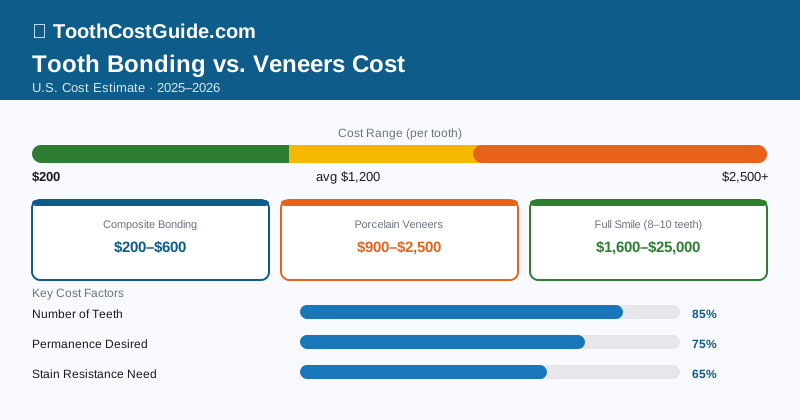
| Cost per tooth | $200–$600 | $900–$2,500 |
| Full smile (8–10 teeth) | $1,600–$6,000 | $7,200–$25,000 |
| Lifespan | 3–7 years | 10–20 years |
| Enamel removal | None | Yes (irreversible) |
| Lab fabrication | No (in-office) | Yes (1–2 week wait) |
| Stain resistance | Moderate | High |
| Repair if chipped | Easy, same visit | More complex, may need replacement |
| Insurance coverage | Rarely | Rarely |
When Bonding Makes More Sense
The American Academy of Cosmetic Dentistry notes that bonding is best suited for minor cosmetic issues: small chips, gaps between teeth, slightly discolored teeth, or a tooth that’s slightly shorter than its neighbors. It’s also the right call when you’re not 100% sure you want a permanent change — bonding is reversible, veneers are not.
Bonding is the clear winner for budget-conscious patients. A chipped front tooth that costs $250–$400 to bond would require a $1,200–$1,500 veneer for the same visible result.
The trade-off: bonding stains more easily than porcelain (coffee, red wine, tea all affect it over time), and it chips more readily under stress — biting nails, chewing ice, or opening packages with your teeth will shorten its lifespan considerably.
When Veneers Are Worth the Premium
Veneers make more clinical sense when you’re addressing multiple teeth at once and want a uniform, long-lasting result. Severe discoloration that doesn’t respond to whitening (tetracycline staining, fluorosis), significant size discrepancies between teeth, or worn-down teeth from grinding are all scenarios where veneers provide a more durable solution.
They’re also the right choice for patients who want a genuinely permanent smile transformation and are prepared for the commitment — both financial and biological (enamel removal is irreversible).
- Is the issue minor (chip, small gap, one tooth) or a full-smile concern?
- Are you willing to commit to a permanent change to your enamel?
- What’s your timeline? Bonding is done in one visit; veneers take two weeks.
- How are your oral habits? Nail-biting, ice-chewing, or grinding significantly shortens bonding lifespan.
- Is there active gum disease or tooth decay? Both must be resolved before any cosmetic work.
What About Composite Veneers?
There’s a middle option worth knowing: composite veneers (sometimes called “direct veneers”). These are thicker layers of composite resin applied by hand to create a veneer-like result — no lab, no permanent enamel removal, cost of $250–$1,500 per tooth. The result depends heavily on your dentist’s artistry, and they stain and wear like regular bonding. For the right case, they’re an excellent compromise.
Insurance and Financing
Neither traditional bonding nor porcelain veneers are typically covered by dental insurance when done purely for cosmetic reasons. The exception: bonding that restores a broken or chipped tooth from trauma may be covered under your plan’s restorative benefits, especially if the tooth is a front tooth that affects function.
For elective cosmetic work, many practices offer CareCredit, Proceed Finance, or in-house payment plans. Some allow 12–24 months at 0% interest, which makes even a porcelain veneer case manageable at $100–$150/month.
Be cautious of practices advertising veneers at unusually low prices — $400–$600 per tooth or less. At that price point, you’re likely looking at prefabricated veneers (not custom lab-made), rushed preparation, or no temporaries during the fabrication wait period. Poorly fitted veneers can cause gum inflammation and sensitivity. Always ask to see case photos and request a consultation with a clear fee breakdown before committing.
The Verdict
For most patients with minor cosmetic concerns, bonding delivers 80% of the visual result at 20% of the price. For a comprehensive smile transformation where longevity and stain resistance matter, veneers are a worthwhile long-term investment. The right answer depends entirely on what you’re trying to fix, how many teeth are involved, and how permanent you want the change to be.