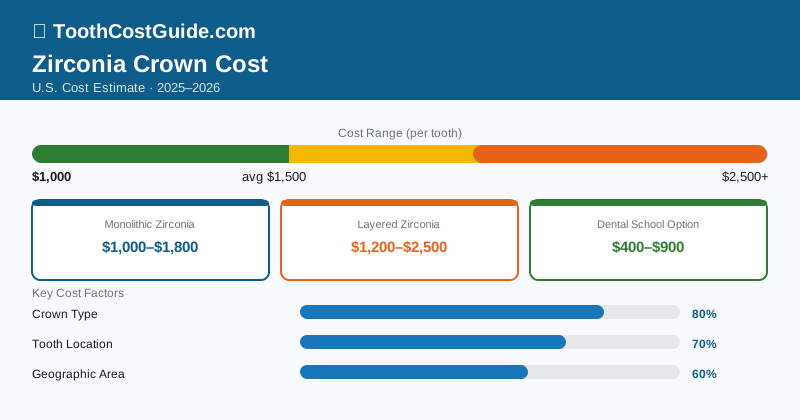
A zirconia crown runs $1,000–$2,500 per tooth — about $200–$600 more than a traditional porcelain-fused-to-metal crown. That gap has narrowed over the last five years as zirconia milling technology became more widespread. The question isn’t really whether zirconia is better. It often is. The question is whether it’s worth the premium for your specific tooth.
Here’s what drives the price, when zirconia makes sense, and how to avoid paying more than you need to.
Zirconia Crown Cost by Type
| Crown Type | Average Cost (No Insurance) |
|---|---|
| Monolithic zirconia (back teeth) | $1,000–$1,800 |
| Layered zirconia (front teeth) | $1,200–$2,500 |
| Same-day CEREC zirconia (in-office) | $1,000–$2,000 |
| Zirconia at dental school clinics | $400–$900 |
| PFM crown (for comparison) | $800–$1,400 |
Monolithic vs. layered: Monolithic zirconia is milled from a single block of the material — extremely strong, best suited for posterior teeth (molars and premolars). Layered zirconia has porcelain fused on top for a more lifelike, translucent appearance, which matters on visible front teeth. Layered crowns cost more because fabrication is more labor-intensive. They’re also slightly more prone to chipping at the porcelain layer — though far less so than older PFM designs.
Why Zirconia Costs More Than PFM
The material itself accounts for some of the price difference, but lab fees are the bigger driver. A dental lab charges $75–$200 per crown for PFM; the same lab typically charges $150–$350 for a zirconia restoration. That increase flows directly to the patient.
The ADA reports that about 68% of posterior crown placements in the U.S. now use zirconia or all-ceramic materials — up from roughly 35% a decade ago. Demand has pushed manufacturing costs down, but lab fees haven’t dropped proportionally.
Geographic variation matters too. Urban practices in major metros charge $1,400–$2,500. Rural dentists and lower cost-of-living areas often run $1,000–$1,500 for the same crown.
When Zirconia Is Worth the Upgrade
On back molars: Zirconia is the clear choice for high-chewing-load teeth. It’s stronger than porcelain and doesn’t have the metal margin darkening issue you get with PFM over time. If you’re placing a crown meant to last 15–20 years, the $200–$400 premium is worth it.
On visible front teeth: Layered zirconia or all-ceramic (e.max) are typically the go-to options. Zirconia alone can look slightly opaque compared to natural enamel — a skilled lab technician and a dentist who communicates the shade and translucency requirements carefully makes all the difference here.
If you have metal sensitivities: Zirconia is 100% metal-free and biocompatible. Some patients with confirmed metal allergies or sensitivities should discuss this with their dentist, but zirconia poses no known allergy risk.
Ask your dentist: “Which specific type of zirconia are you using — monolithic or layered? Which lab fabricates it?” A dentist who can answer this clearly and explain the tradeoff for your tooth location is giving you a better-informed recommendation than one who just says “zirconia is the best.”
Insurance Coverage for Zirconia Crowns
Most dental plans classify any crown as major restorative — covered at 50% after the deductible, subject to the annual maximum. Here’s the catch: many older insurance contracts include a “least expensive alternative treatment” (LEAT) clause. If your plan has this clause, and PFM is deemed equivalent, your insurer may only reimburse at the PFM rate even if you get zirconia.
A CDC survey found that about 67% of American adults have some form of dental insurance, yet patients still pay a substantial share of major restorative work out of pocket because of annual maximum limits ($1,000–$2,000) and LEAT restrictions.
What to do: Call your insurance company before the procedure and ask specifically whether your plan has a LEAT provision for crowns, and what the “alternate benefit” rate is for a molar crown. Get it in writing (or at least a reference number for the call).
How to Cut the Cost
Dental school clinics are the largest savings available. Supervised student dentists place zirconia crowns at $400–$900 — a fraction of private practice rates. The process takes longer and requires more appointments, but the clinical outcome is faculty-supervised.
Cross-calendar-year scheduling is a legitimate strategy if you need multiple crowns. Most plans reset on January 1. Placing one crown in December and the next in January doubles your coverage for the year. Your dentist’s office can often help you plan this.
Ask about CEREC / same-day options. If your dentist has a CEREC in-office milling unit, a same-day zirconia crown often costs the same or less than sending work to an outside lab — plus you skip the temporary crown and second appointment. Confirm your dentist’s machine is well-maintained and calibrated.
Don’t let cost pressure you into skipping a crown that a tooth genuinely needs. A $1,500 zirconia crown on a cracked molar today is almost always cheaper than a $3,500–$5,000 implant after the tooth fails in two years. Get the treatment plan itemized in writing and request a pre-authorization from your insurer before starting.
Bottom Line
Zirconia crowns cost $1,000–$2,500 without insurance — legitimately more than older crown materials, but also more durable and aesthetically superior on most teeth. For back molars, the upgrade is usually worth it. For front teeth, layered zirconia or e.max may be better depending on your specific case. With insurance contributing 50% (subject to your annual max), your out-of-pocket cost often runs $500–$1,200. Use pre-authorization and dental school options to reduce it further.